Because yes, you’ll spend the year studying (or so they say), but you’ll also have plenty of weekends, long weekends and free time to get to know the city that’s hosting you for the next few months. Here are the 20 places to see in Madrid that should be on your list, from the classic tourist spots to the neighbourhoods where you’ll actually be living your Erasmus life.
1. Puerta del Sol
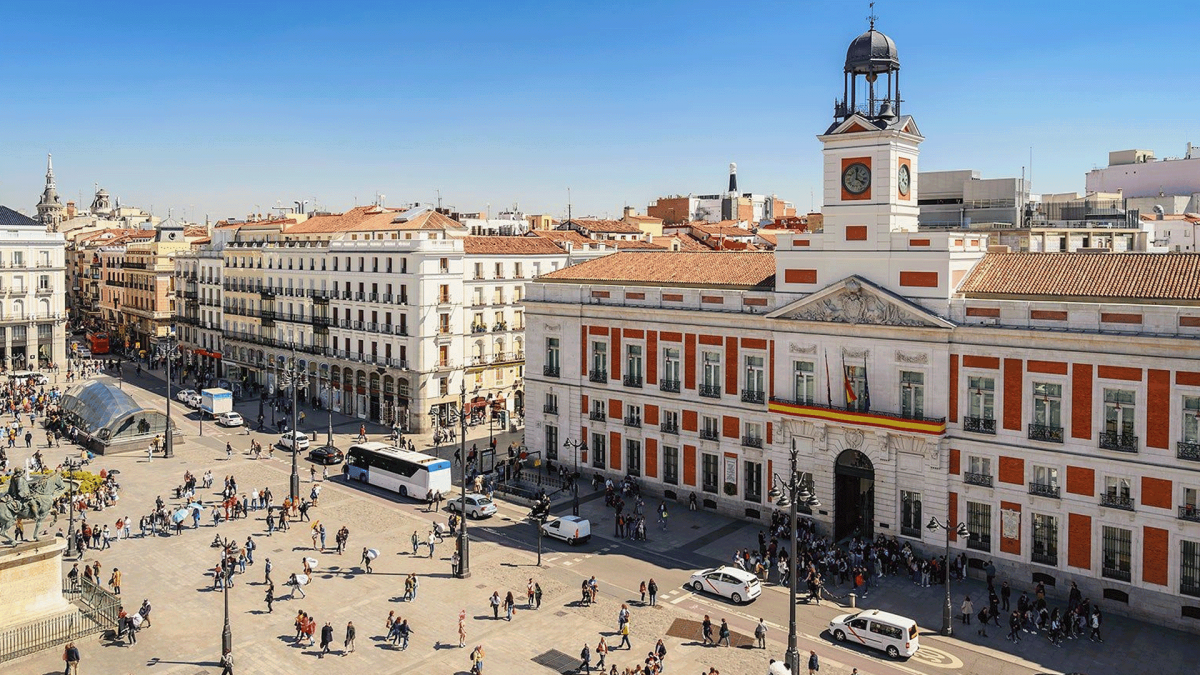
This is the beating heart of the city and, literally, the starting point of every road in Spain, marked by the famous Kilómetro Cero (Kilometre Zero). Here you’ll find the Bear and the Strawberry Tree statue, the symbol of Madrid, and the Casa de Correos, whose clock rings out the country’s most famous New Year’s Eve chimes. It’s an obligatory stop as soon as you arrive, and a handy reference point for finding your way around the centre in your first few days.
2. Plaza Mayor
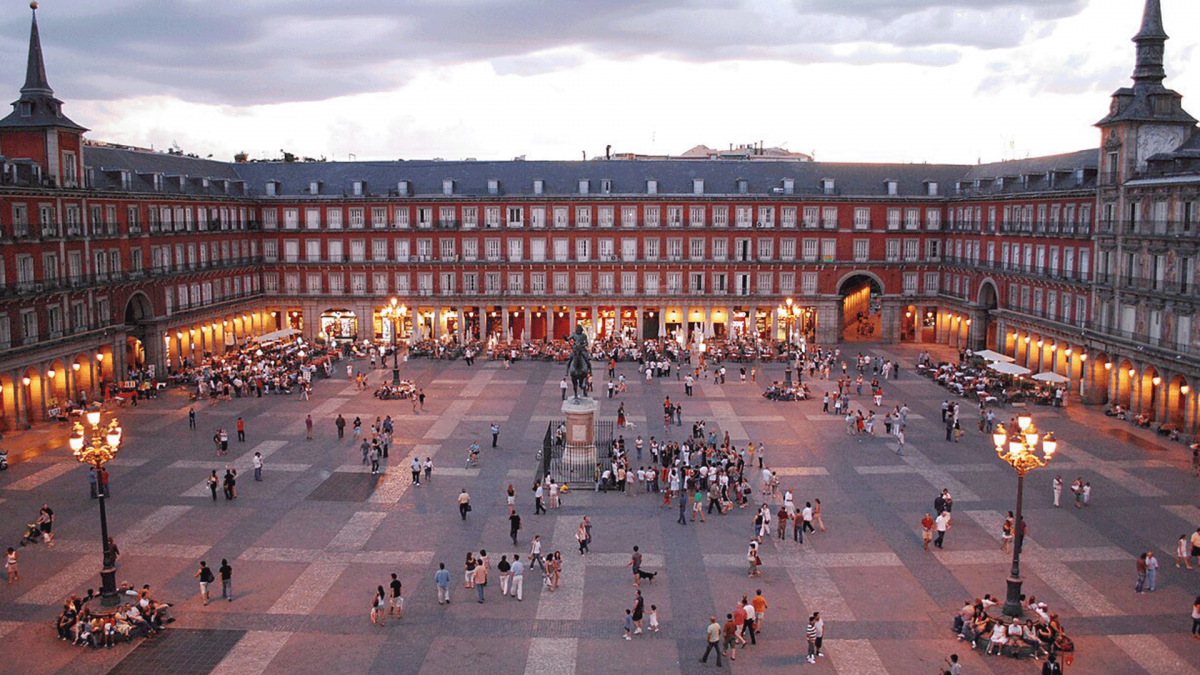
A short walk from Sol, this rectangular 17th-century square is one of the most photographed spots in the city. Its arcades, terraces and general buzz (tourists, street performers and the odd calamari sandwich) make it an almost obligatory stop. If you happen to be here in December, you’ll also find one of Madrid’s most popular Christmas markets.
3. Mercado de San Miguel
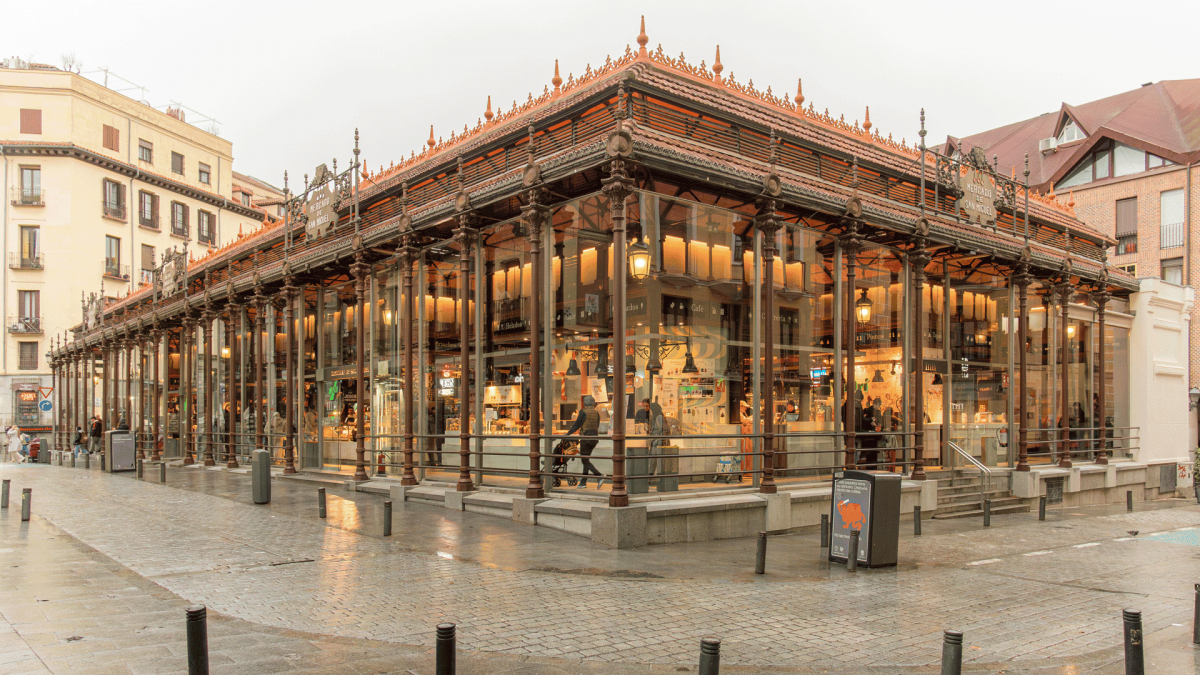
Just steps from Plaza Mayor, this iron-and-glass market is the perfect place for your first tapas crawl: ham, cheese, croquetas and other Spanish classics all under one roof. Fair warning though being so touristy, prices are a bit higher here than at a regular neighbourhood bar.
4. Royal Palace of Madrid
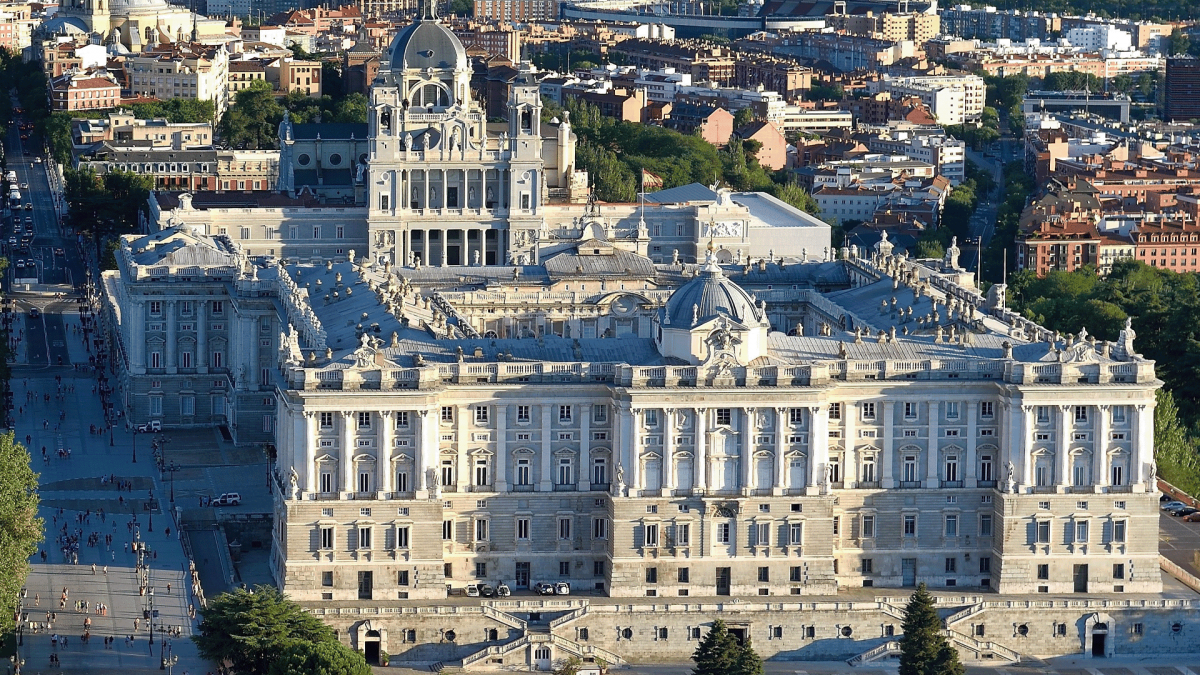
The largest royal palace in all of Western Europe, though Spain’s royal family no longer lives here (they moved to the Palacio de la Zarzuela). It’s only used for official events, so you can visit almost any day. With over 3,000 rooms, marble everywhere, works by Goya and Velázquez, and a main staircase carved from a single piece of marble, it’s well worth dedicating a whole morning to.
5. Almudena Cathedral
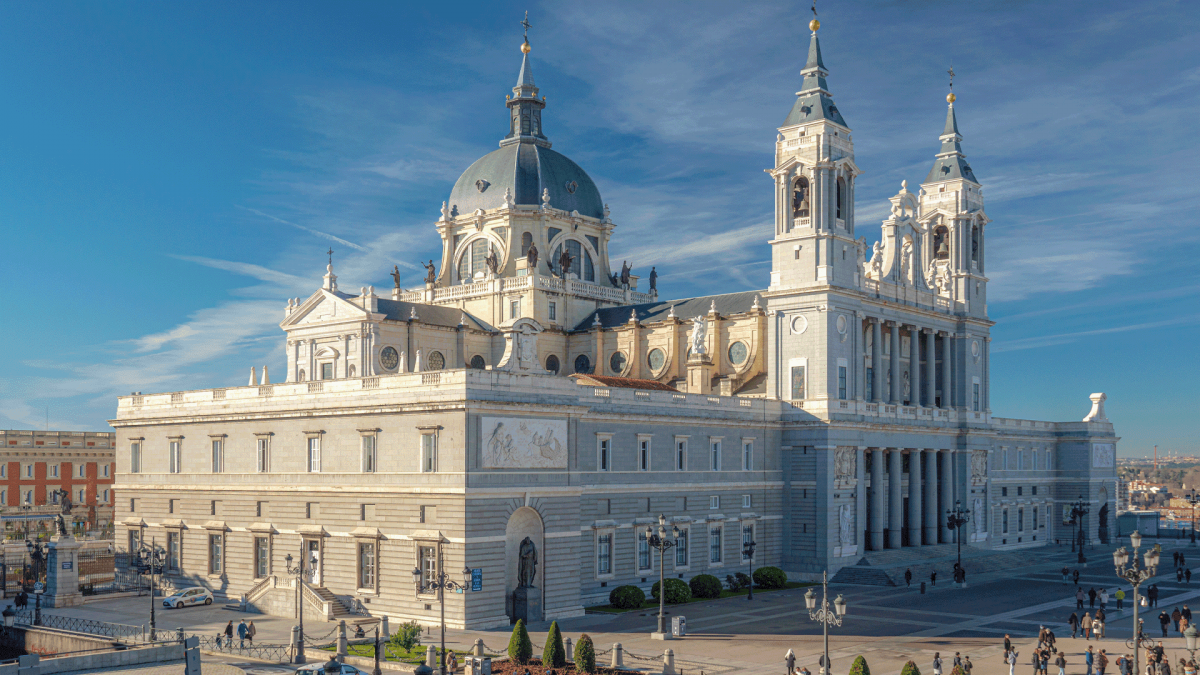
Right next to the Royal Palace, this cathedral blends neoclassical, neo Gothic and neo Romanesque styles, and although construction began in the late 19th century, it wasn’t finished until 1993, when it was consecrated by Pope John Paul II. Entry to the church itself is free, and if you climb up to the dome (small extra charge) you get spectacular views over the whole historic centre. Fun fact: Spain’s current king and queen, Felipe and Letizia, got married here in 2004.
6. Temple of Debod
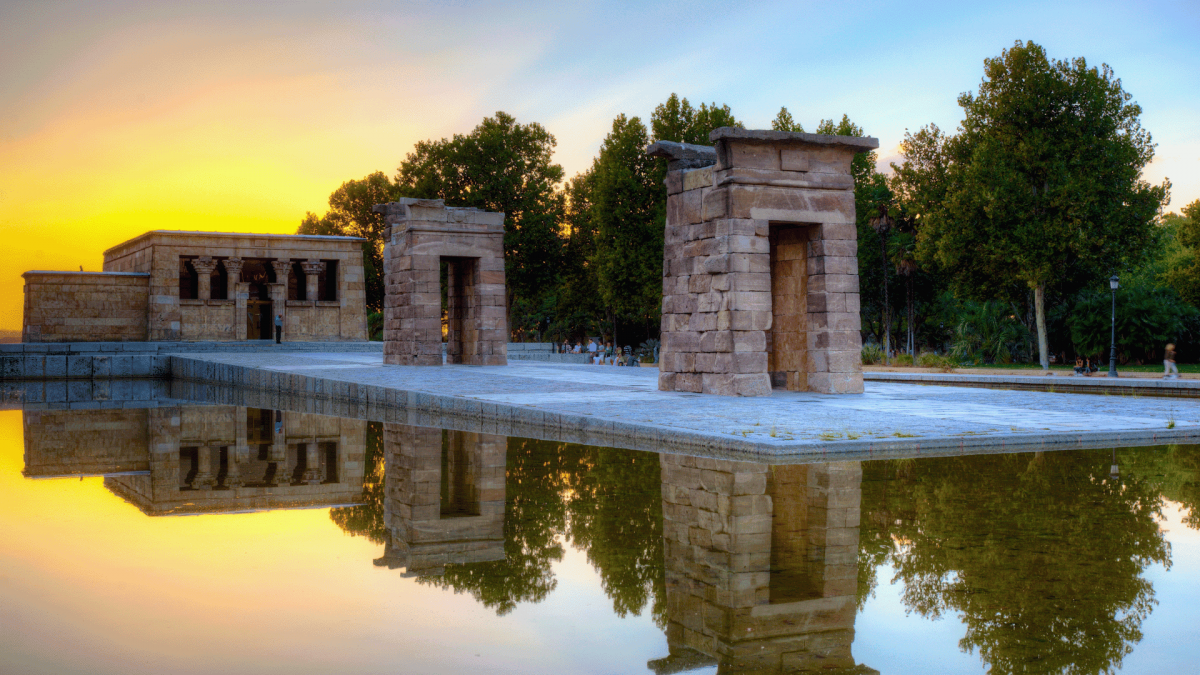
A genuine Egyptian temple, over 2,200 years old, gifted to Spain by Egypt and now standing in the middle of Parque del Oeste. Free entry, and hands down one of the best spots in Madrid to watch the sunset. Put it on your list for any free evening with friends.
7. Gran Vía
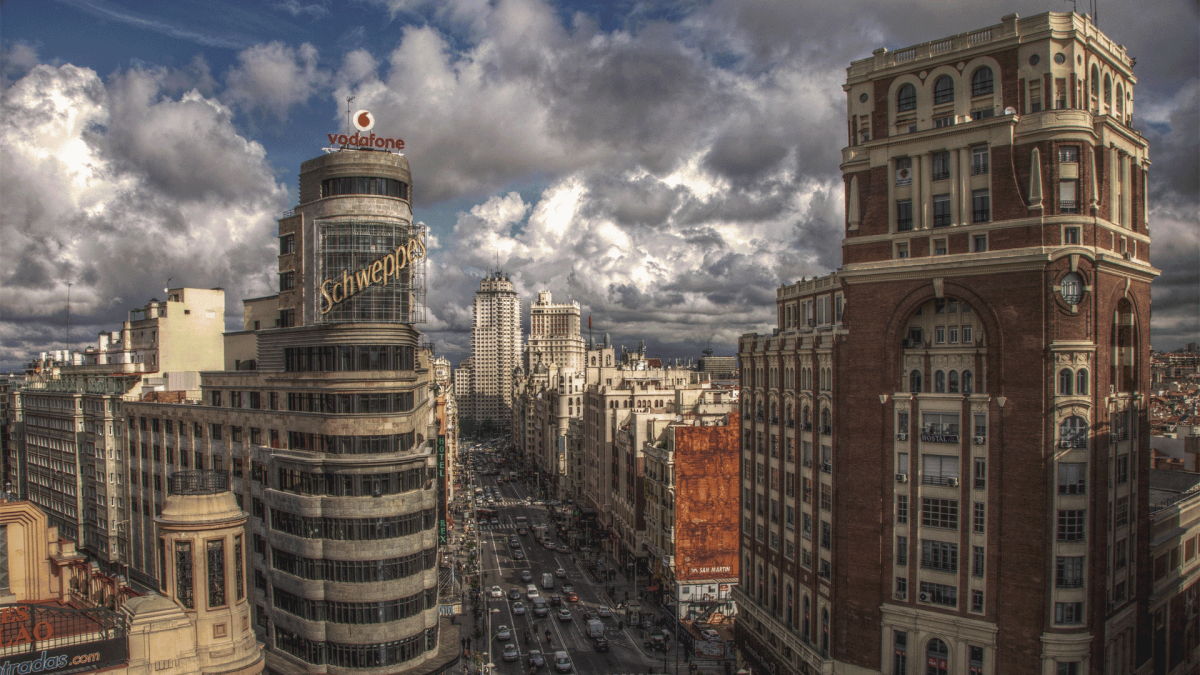
Madrid’s most famous street, packed with theatres, cinemas, shops and 24-hour energy. Here you can catch big-budget musicals (The Lion King, Les Misérables, Aladdin…) or simply stroll and admire the architecture, like the Metrópolis building, one of the prettiest in the city. This street can easily eat up hours of your time, every façade and every shop window has something worth looking at.
8. Plaza de España
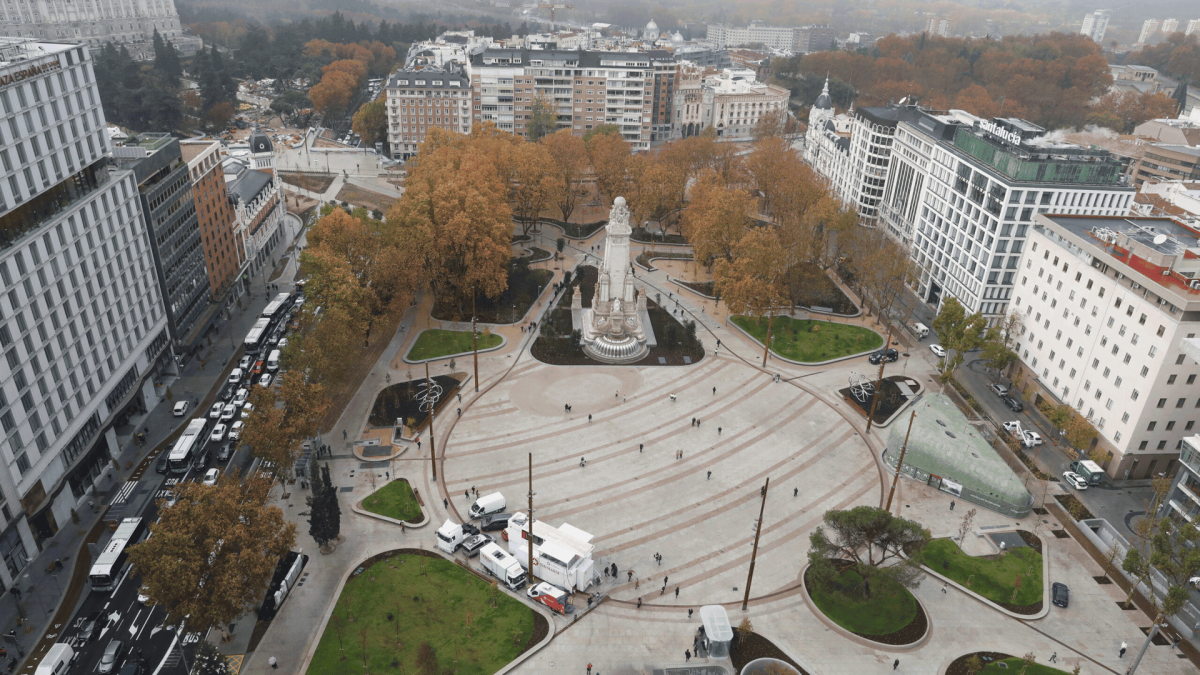
The starting point of Gran Vía and one of the largest squares in the country, surrounded by iconic skyscrapers like the Torre de Madrid. It’s also home to the monument to Cervantes, featuring statues of Don Quixote and Sancho Panza. If you fancy a good viewpoint, the rooftop of the Hotel Riu Plaza España (the former Edificio España) offers one of the best views in the city.
9. Círculo de Bellas Artes
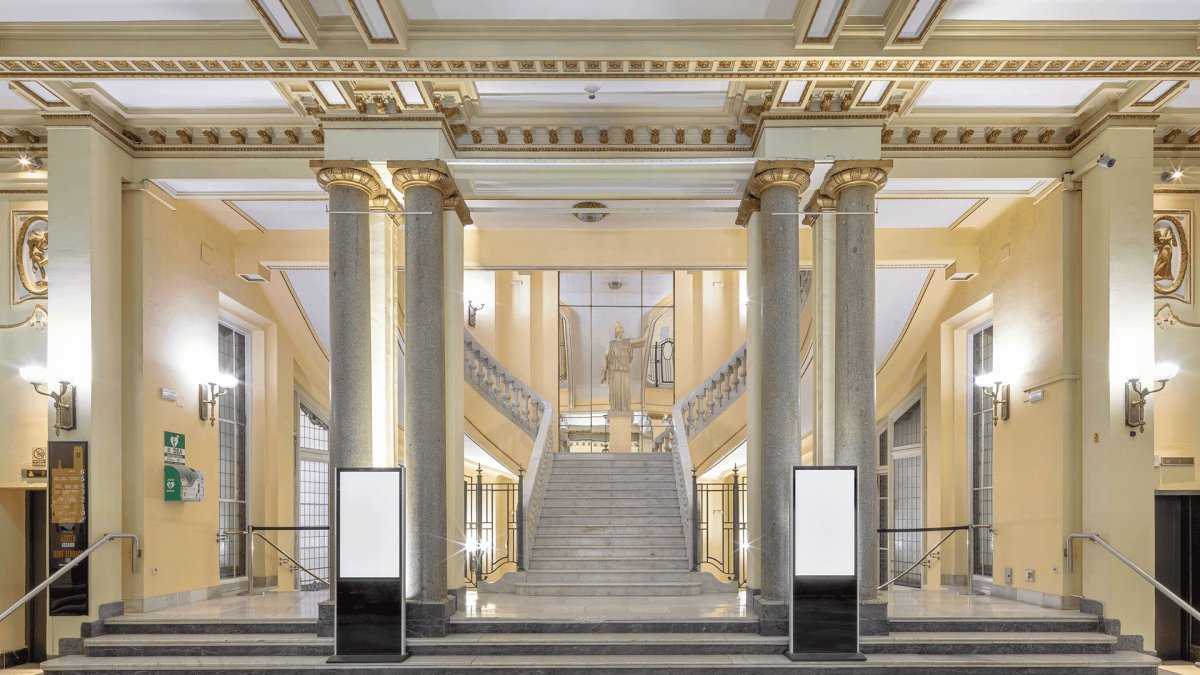
Next to Gran Vía, this cultural centre has one of the most recommended rooftop terraces in Madrid for taking in the city from above (56 metres up). Access to the rooftop costs a small fee, but it’s worth it for photos or a drink with views of the Metrópolis building and the rest of the skyline.
10. Fuente de Cibeles
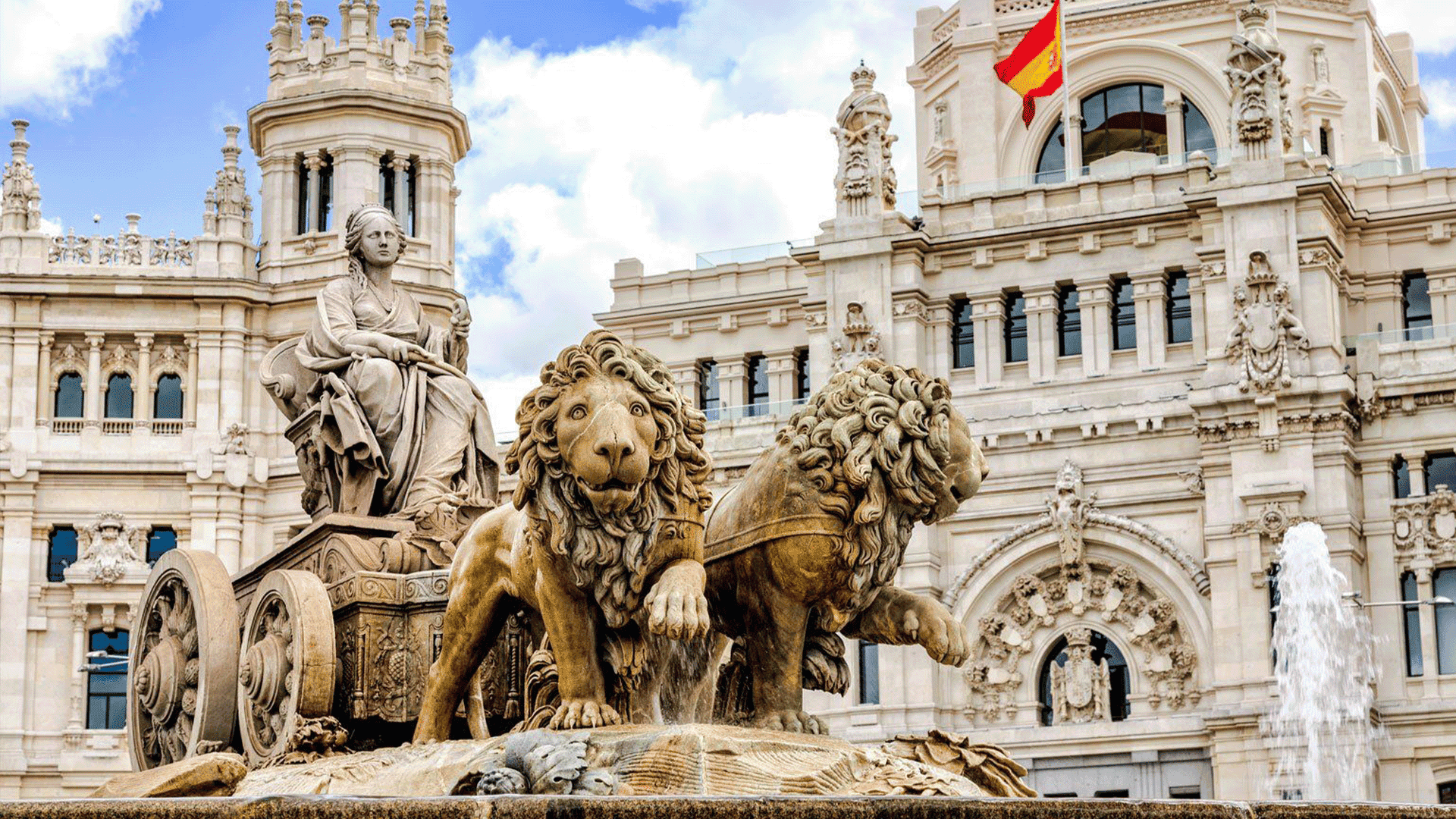
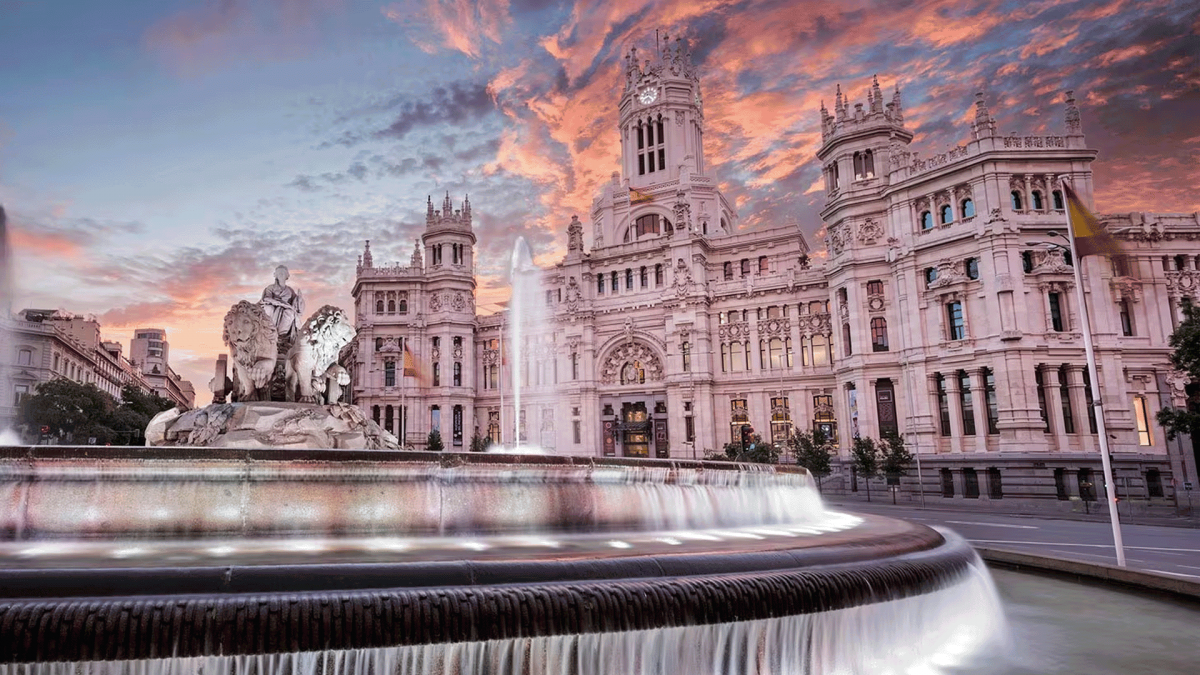
An absolute classic, and the spot where Real Madrid celebrates their titles. Beyond the football connection, it’s a fountain with over 200 years of history, in a square surrounded by important buildings like the Banco de España and the Palacio de Cibeles, home to Madrid’s city hall, which also has a rooftop viewpoint open to visitors.
11. Puerta de Alcalá
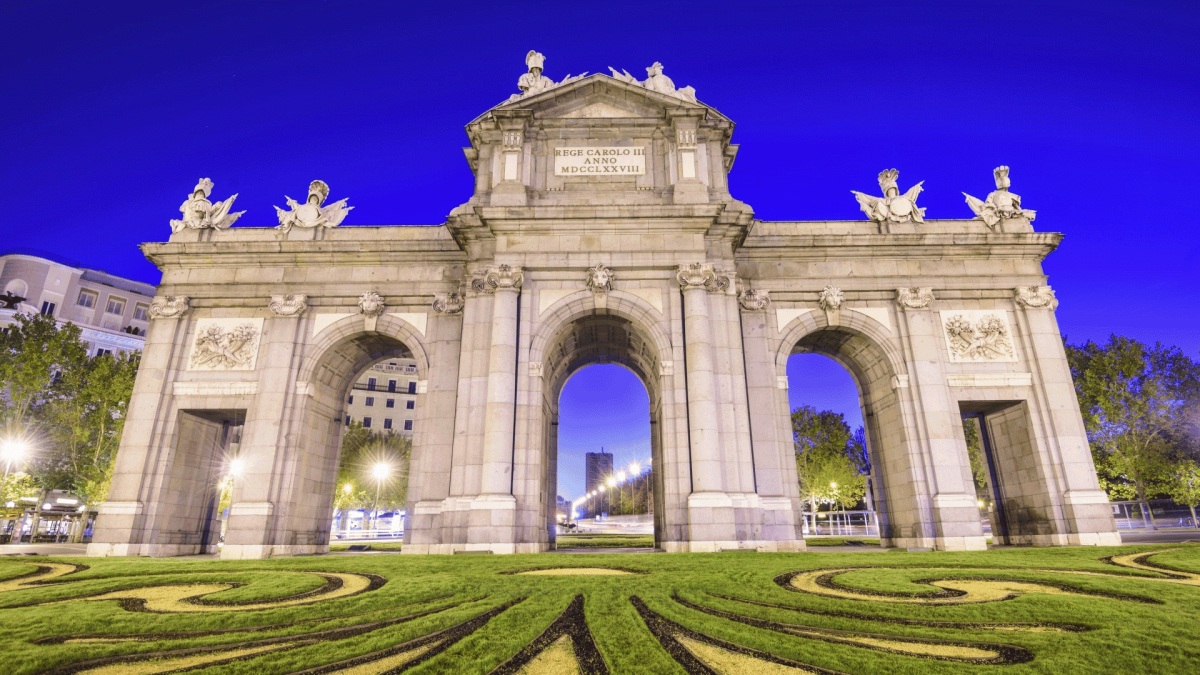
Very close to Cibeles, this neoclassical 18th century gate is one of the most photographed spots in Madrid, and even has its own song (by Ana Belén and Víctor Manuel, a staple of Spanish popular culture). It sits right next to Retiro Park, so you can easily combine it with a stroll through the park.
12. Retiro Park
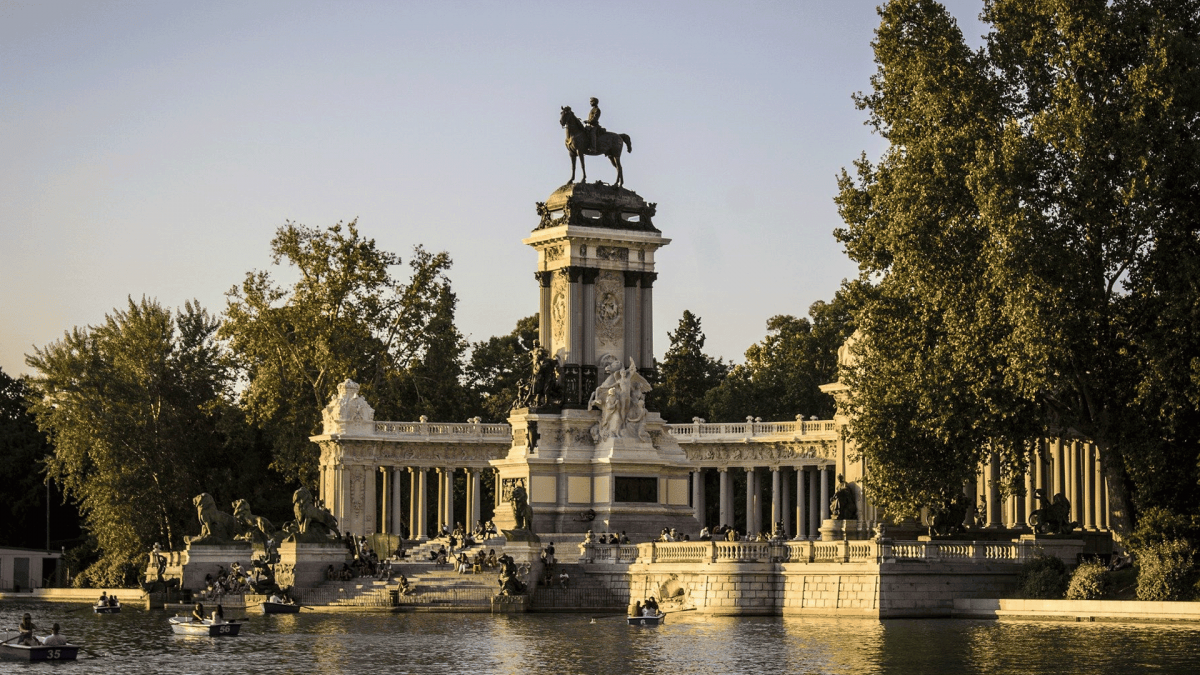
Madrid’s green lung, declared a UNESCO World Heritage Site. You can rent a rowing boat on the lake, visit the Palacio de Cristal, go for a run along its paths, or simply sit down with a book. It’s one of those places you’ll come back to again and again during your Erasmus, whether to unwind or to meet up with friends on a sunny day.
13. Prado Museum
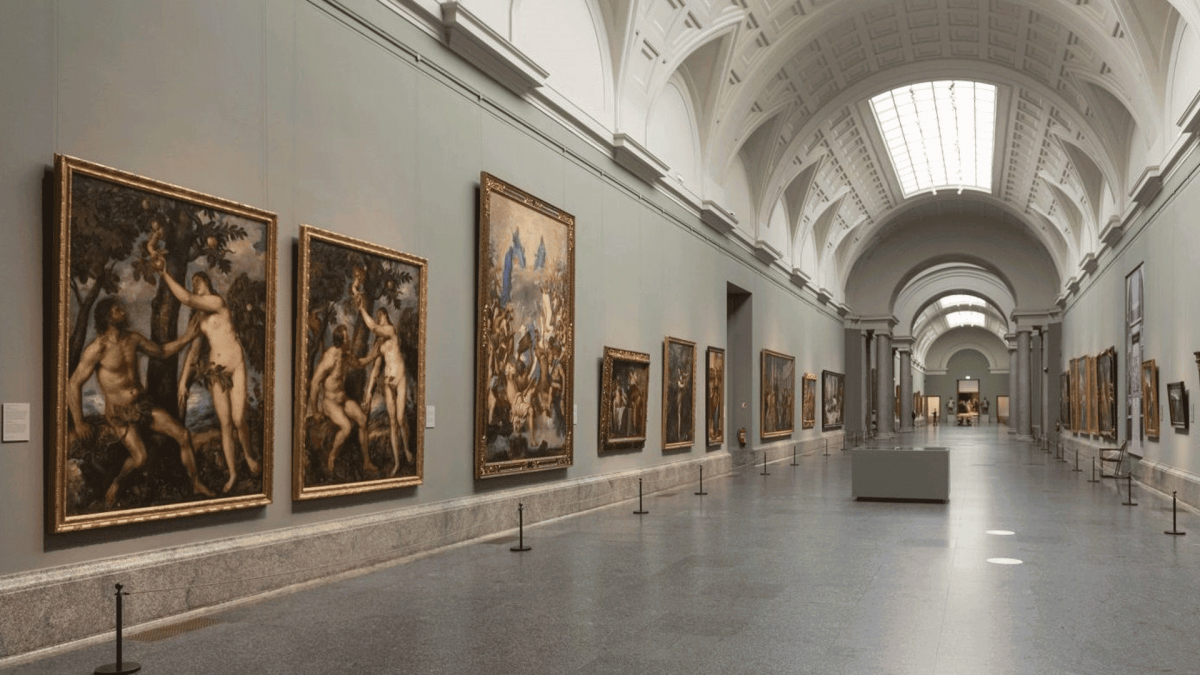
One of the most important art galleries in the world, with works by Velázquez, Goya, Bosch, Rubens and El Greco. Las Meninas, La maja desnuda and The Garden of Earthly Delights are all here. If museums aren’t really your thing, don’t worry, you don’t need to see it all: pick two or three rooms and take your time, rather than trying to cover everything in one visit.
14. Reina Sofía Museum
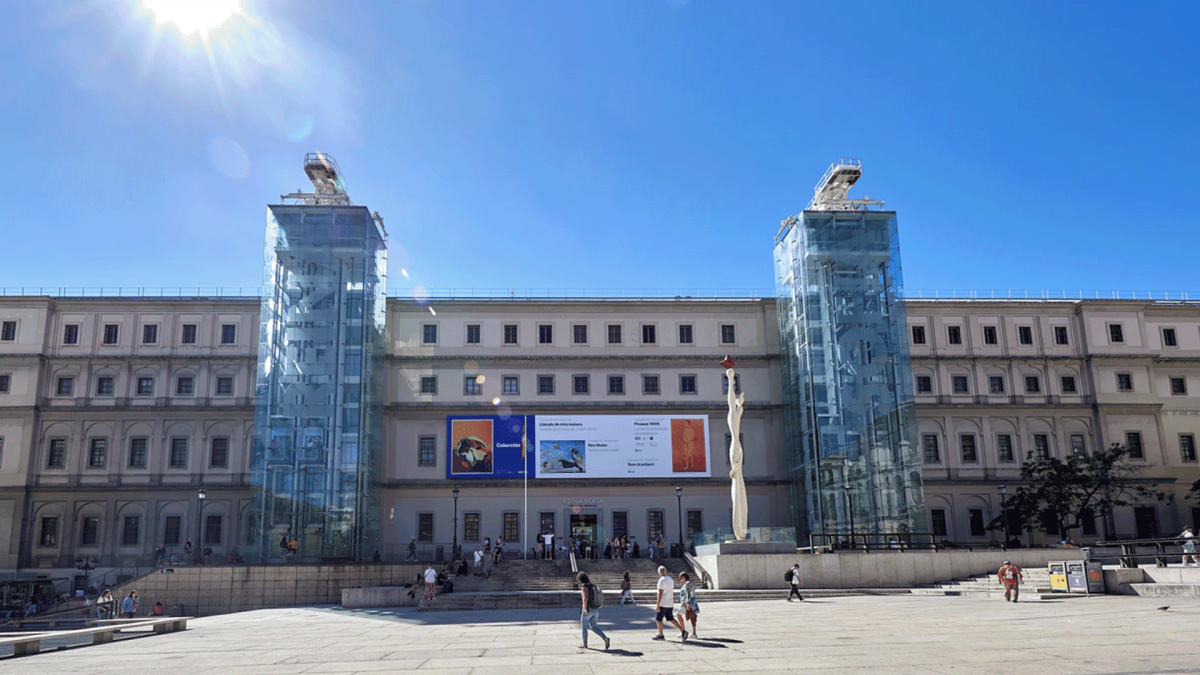
Famous above all for housing Picasso’s Guernica, though the museum goes well beyond that, with works by Dalí, Miró and other major names in Spanish contemporary art. Many students get a discount or free entry with an international student card, so it’s worth checking before you go.
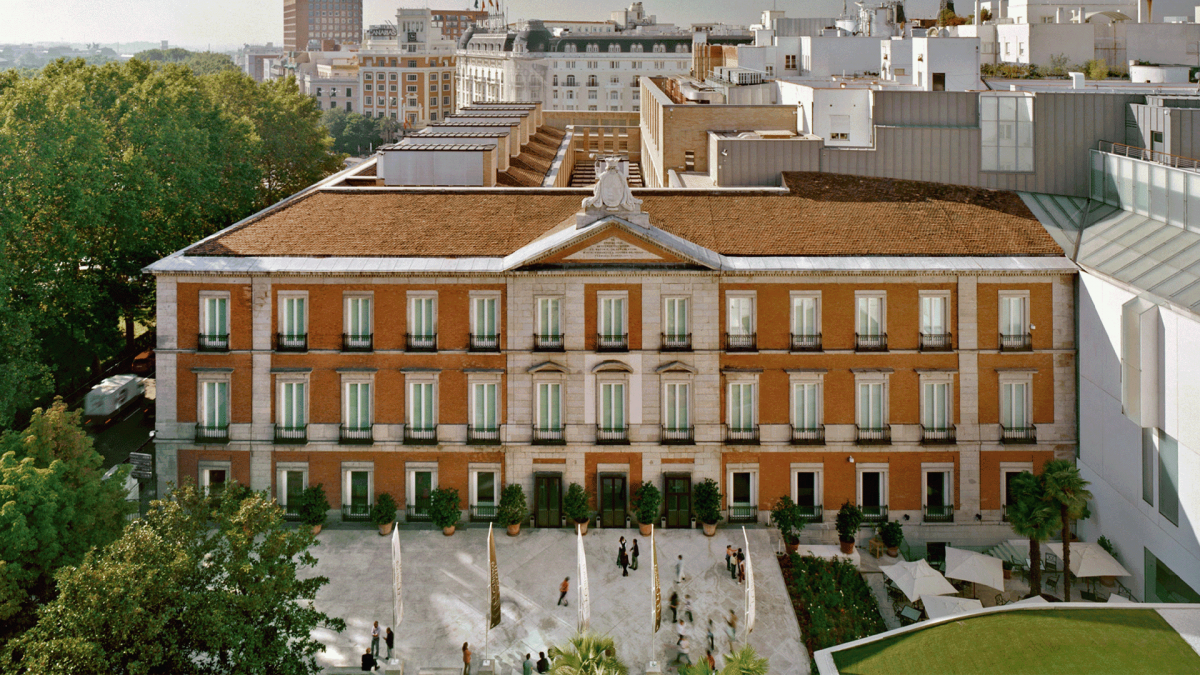
15. Thyssen-Bornemisza Museum
The third point of Madrid’s so-called «Art Triangle» (alongside the Prado and the Reina Sofía). Here you’ll find a journey through the history of European painting, from the Middle Ages to the 20th century, with works by Van Gogh, Caravaggio and Titian. If you’re into art, visiting all three museums together makes for a great weekend plan.
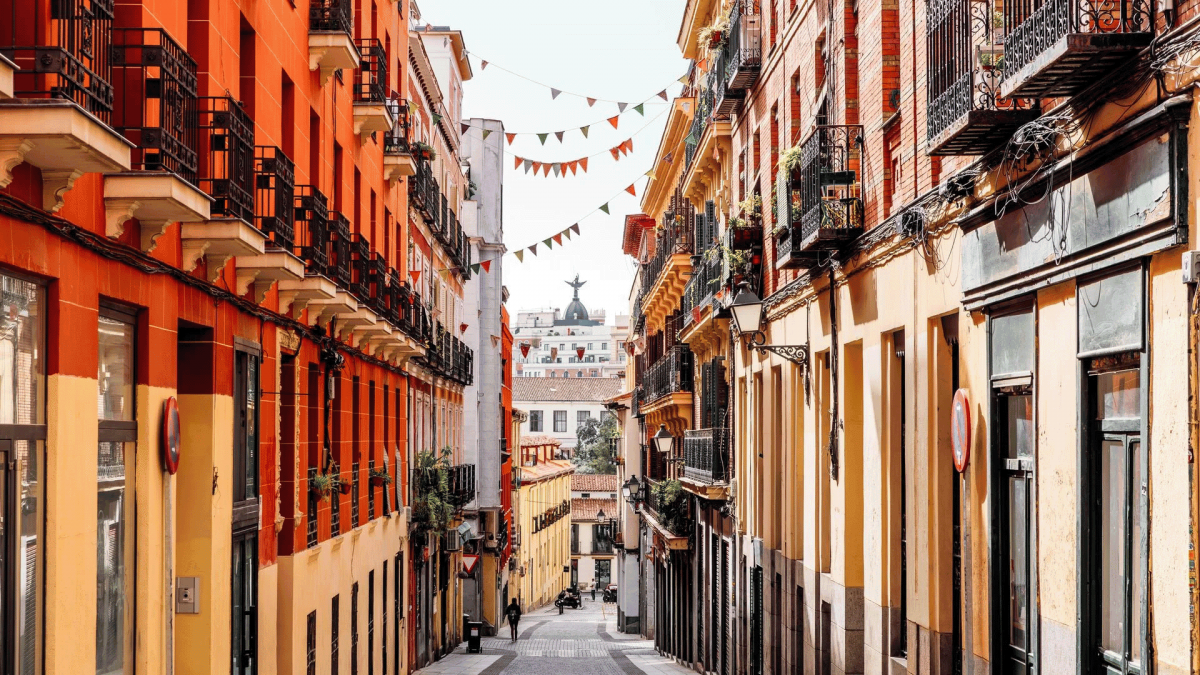
16. Malasaña
More than just somewhere «to see,» Malasaña is somewhere to live. Madrid’s most alternative neighbourhood, with vintage shops, street art, and Plaza del Dos de Mayo as the social hub for students on weekends. Birthplace of «la Movida Madrileña,» today it blends an underground vibe with stylish cafés and one of the best nightlife scenes in the city.
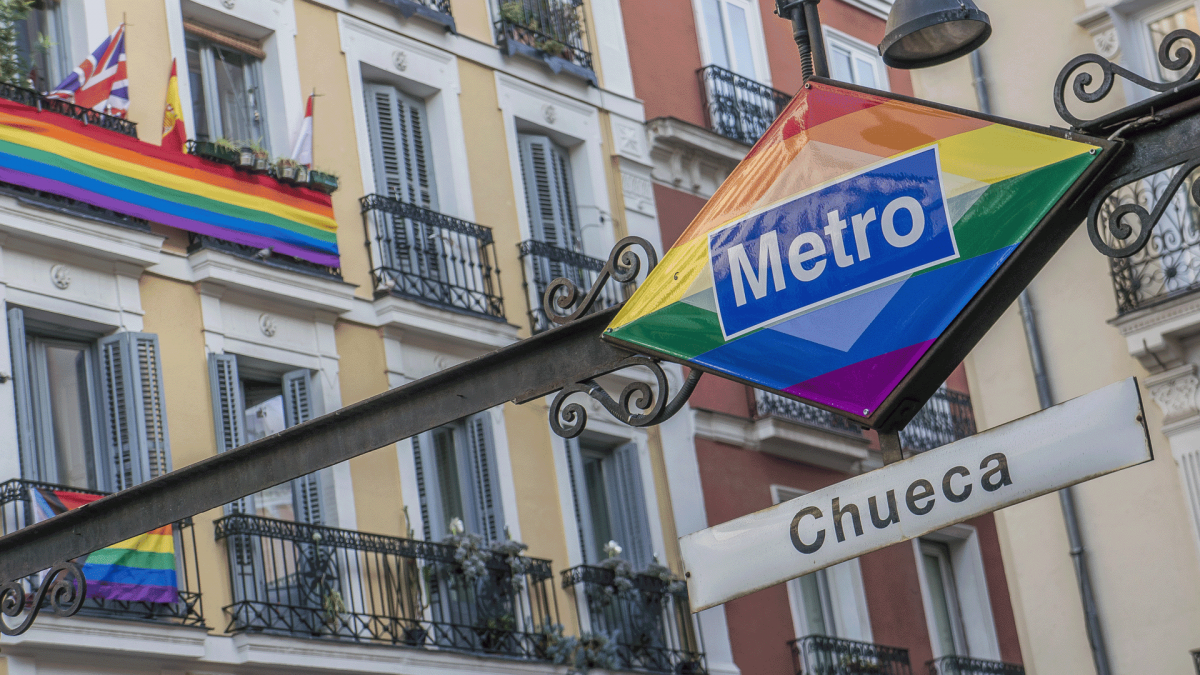
17. Chueca
Madrid’s LGBTQ+ neighbourhood, and one of the reference points across Europe. Great atmosphere at any hour, terraces, the Mercado de San Antón for good food, and a nightlife offering that rivals Malasaña’s. A must if you’re after after work drinks or a pre party spot with people from all over.
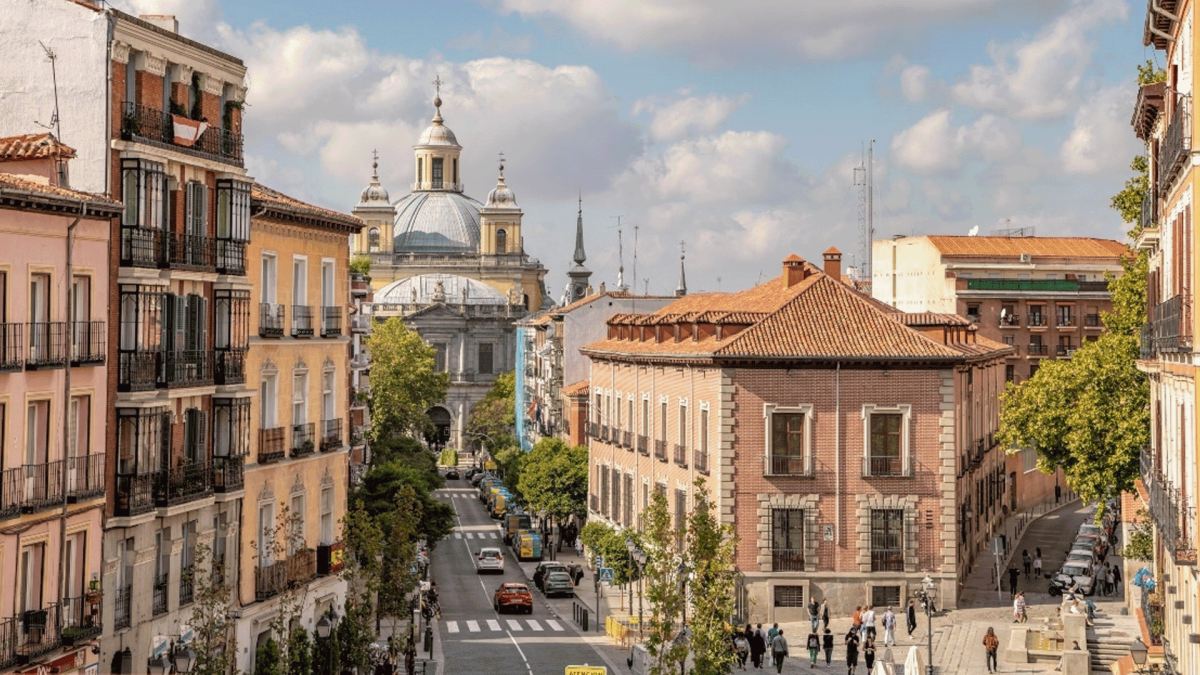
18. La Latina
The most traditionally «castizo» (authentically Madrilenian) neighbourhood, with streets like Cava Baja lined with old-school bars where you can eat tapas like a local. It’s one of those areas that combines history (Plaza de la Paja, Iglesia de San Pedro el Viejo) with a bar-hopping atmosphere that’s easy to get hooked on, especially at sunset. Great for a chilled evening midweek or before heading somewhere livelier.
19. El Rastro Market
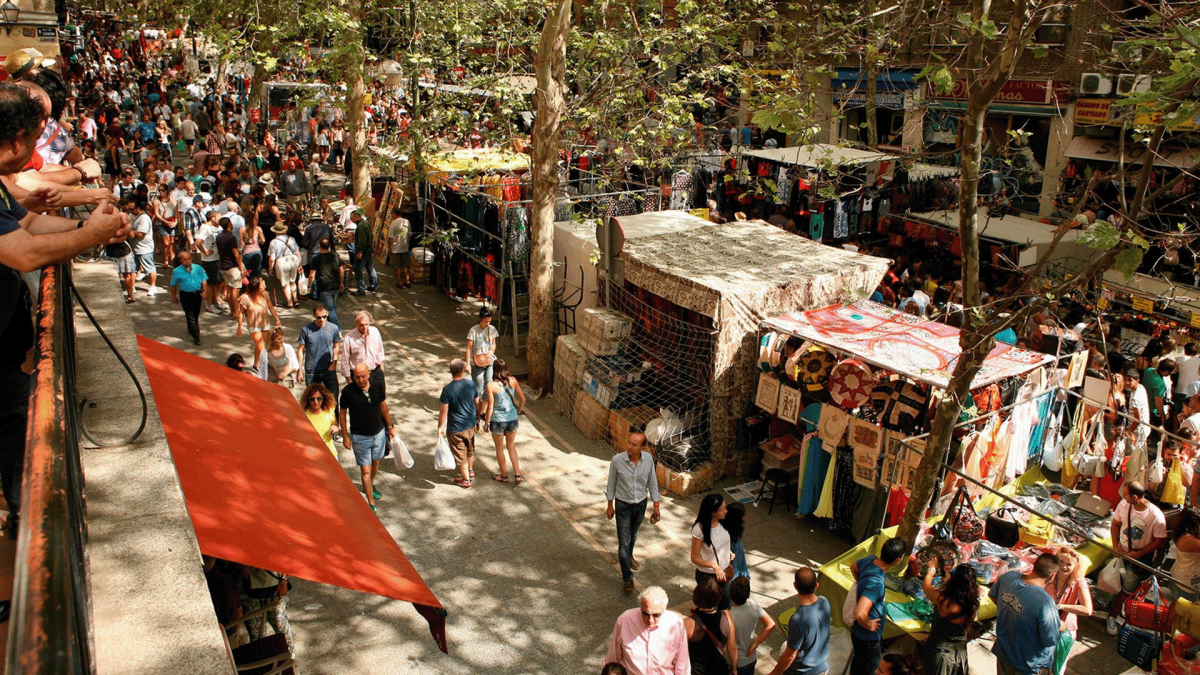
If you’re in the city on a Sunday morning, this is an obligatory stop. El Rastro is Madrid’s most important street market (and probably Spain’s), with over 400 years of history and hundreds of stalls around Calle Ribera de Curtidores: vintage clothes, records, antiques, second-hand books, and more. It only opens Sundays from 9 a.m. to 3 p.m., so set aside the whole morning. Afterwards, the classic move among students and locals alike is to stick around for vermouth at the bars nearby, usually right in La Latina.
20. Santiago Bernabéu Stadium
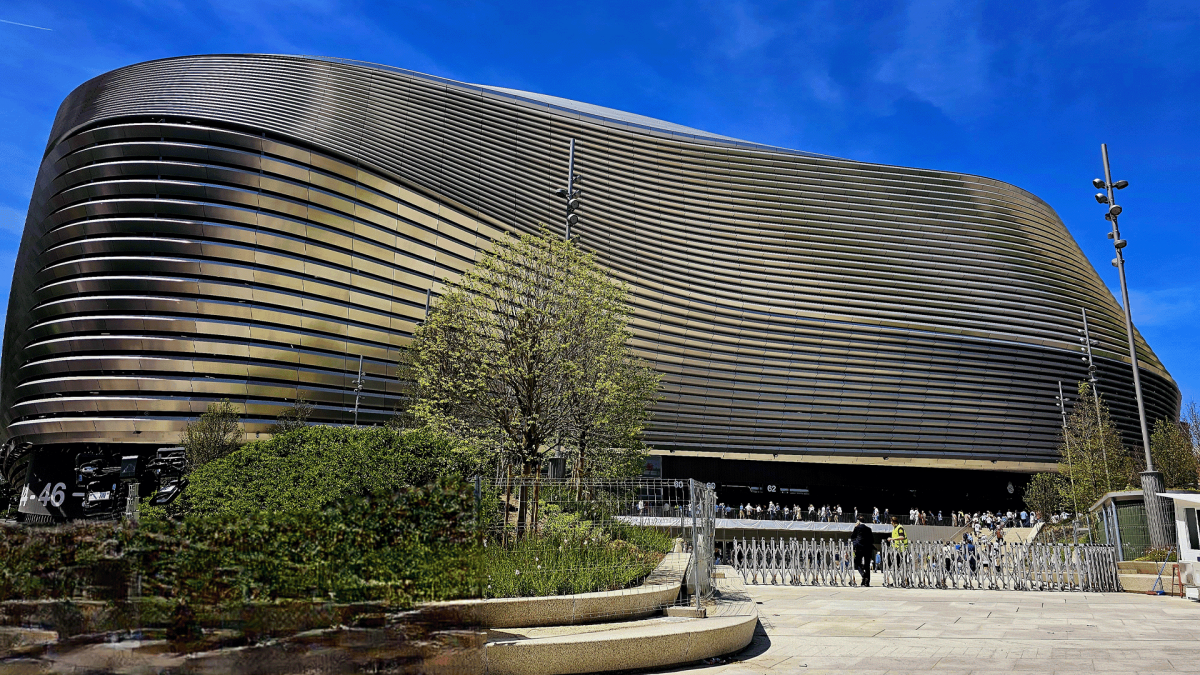
Even if football isn’t your thing, the Bernabéu museum is one of the most visited attractions in all of Spain, not just Madrid. If you’re a Real Madrid fan, doing the stadium tour (changing rooms, trophy room, pitch included) is a great plan. And if you’d rather catch a live match, buying tickets for a game is an experience very few European cities can match at this level.
21. Teatro Real (Royal Theatre)
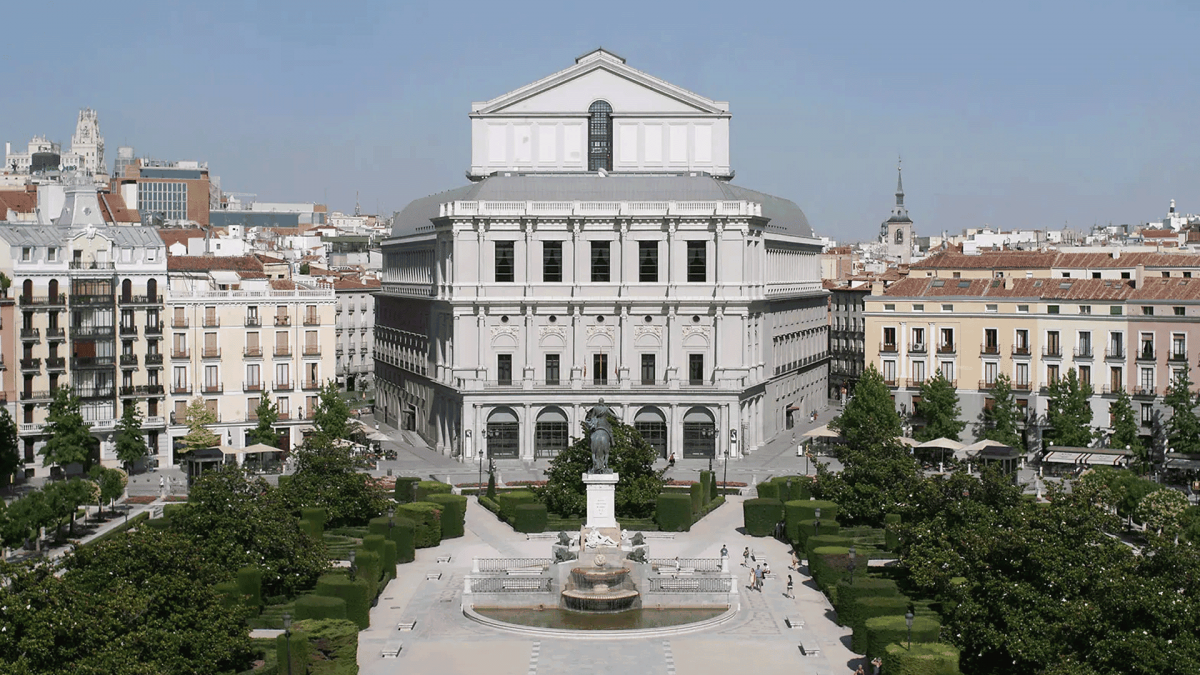
On your way to the Royal Palace, you’ll come across the Teatro Real, one of the most prestigious opera houses in Europe. Construction began in 1818 and, although it was closed for over 40 years due to structural issues, today it’s Spain’s leading institution for the performing arts, with a capacity of nearly 2,000 seats. Not into opera? No worries, you can take a guided tour through its halls and reach the Main Hall, with views over Plaza de Oriente.
22. Sabatini Gardens
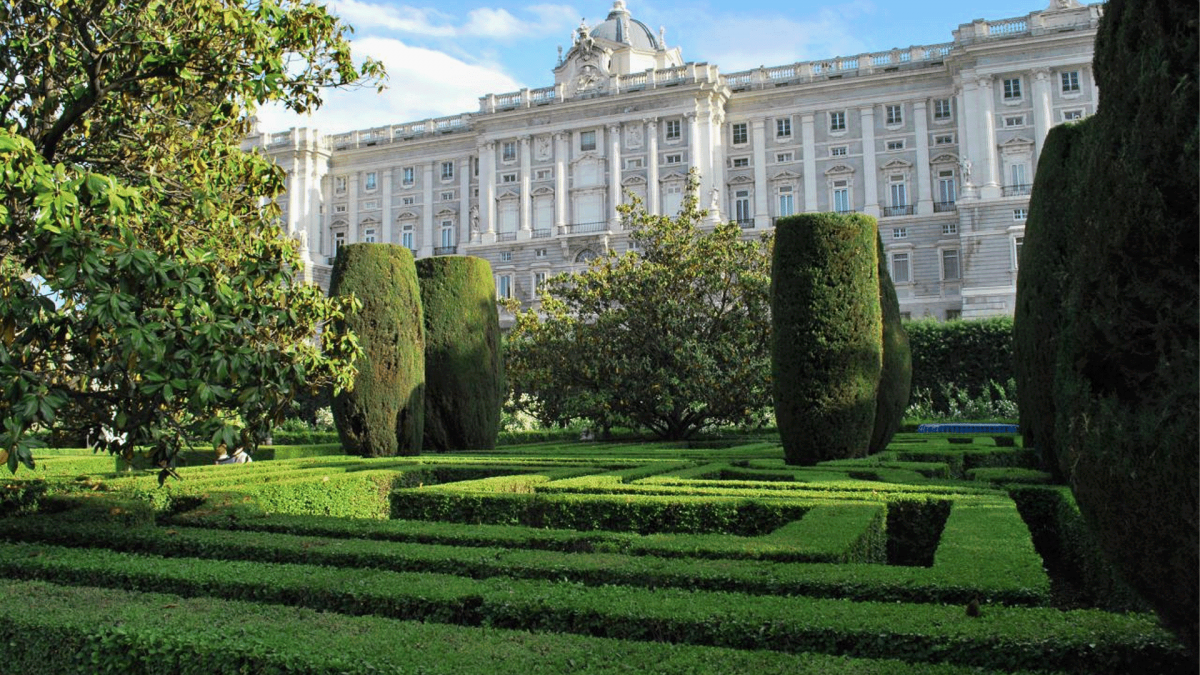
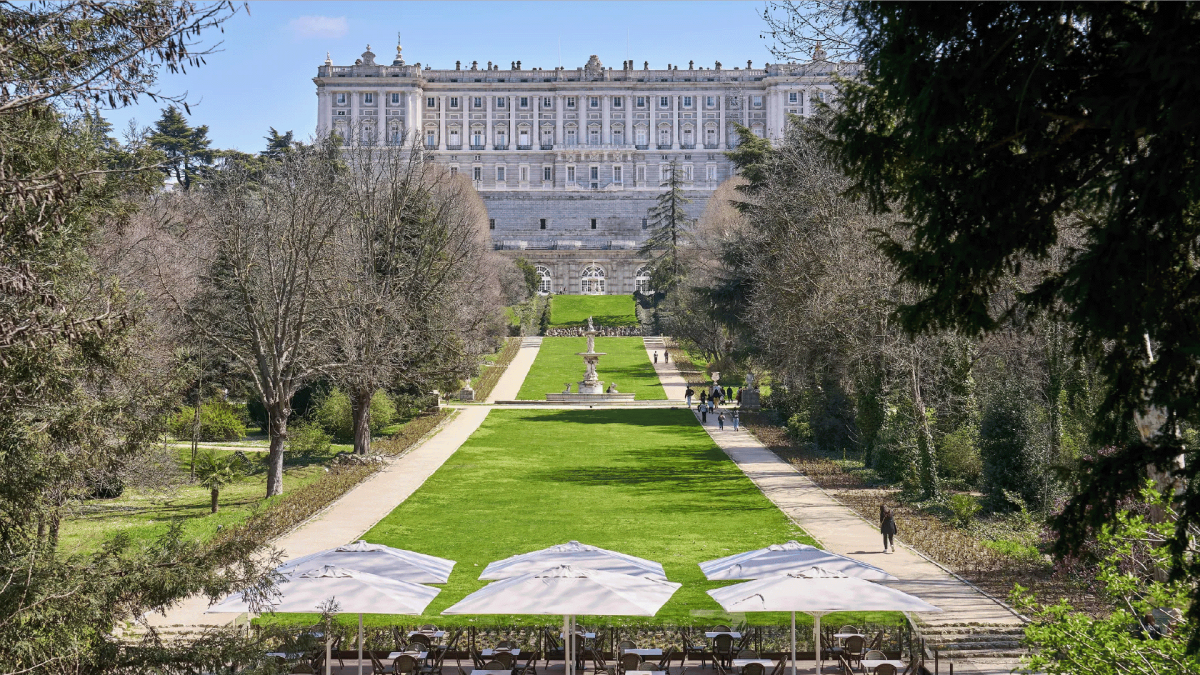
Right behind the Royal Palace, facing its north façade, these neoclassical gardens are perfect for escaping the hustle of the centre. Perfectly manicured hedges, a large rectangular pond, and statues of Spanish kings that were originally meant to decorate the palace itself. A quiet, free plan for an afternoon stroll.
23. Campo del Moro
If you liked the sound of the Sabatini Gardens, Campo del Moro is the «bigger» version: 20 hectares of historic gardens right behind the Royal Palace, with fountains, paths, and some of the best views of the palace from outside. Less known among tourists, so it’s a good spot to escape the crowds.
24. Madrid Cable Car (Teleférico)
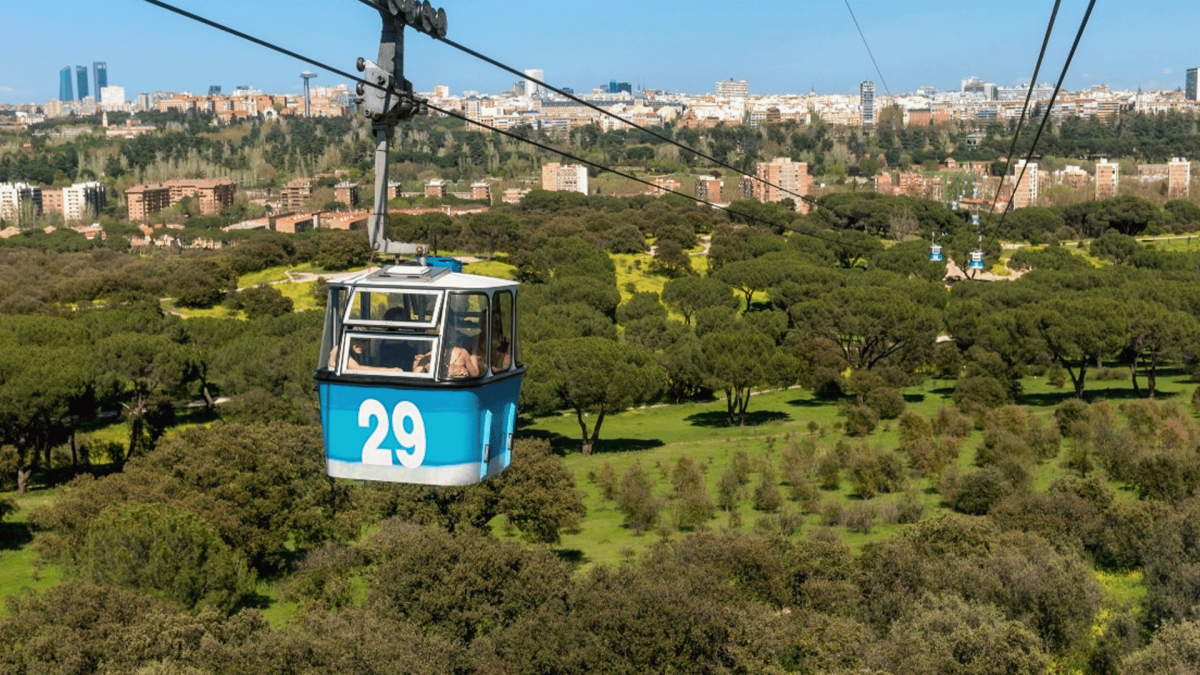
Near the Temple of Debod, on Paseo del Pintor Rosales, you can hop on the cable car that flies (literally) over to Casa de Campo, soaring above Parque del Oeste. From up there you get spectacular views of the Royal Palace and the city. A different kind of plan for a day you fancy something less «typical.»
25. Plaza del Callao
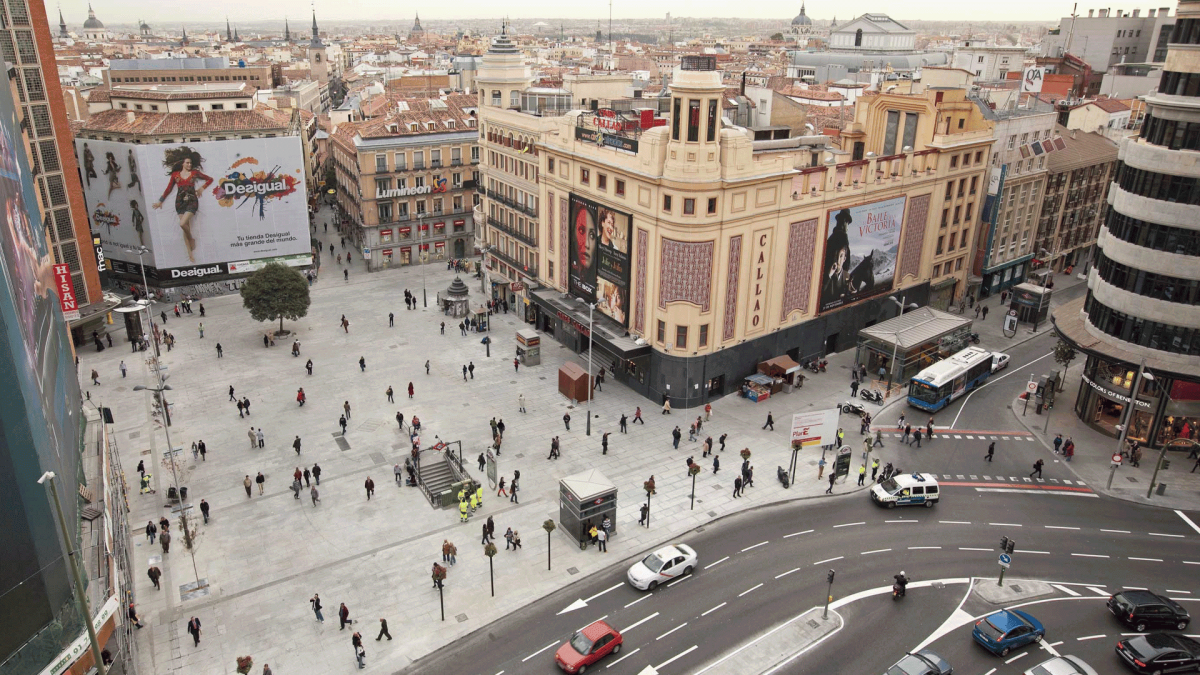
At the end of Gran Vía, this square is Madrid’s version of Times Square, with giant screens and non-stop energy day and night. Head up to the rooftop of El Corte Inglés in Callao for one of the best views of Gran Vía, with the Schweppes sign in the background. It’s also the city’s shopping hub, along with Calle Preciados.
26. Fuente de Neptuno (Neptune Fountain)
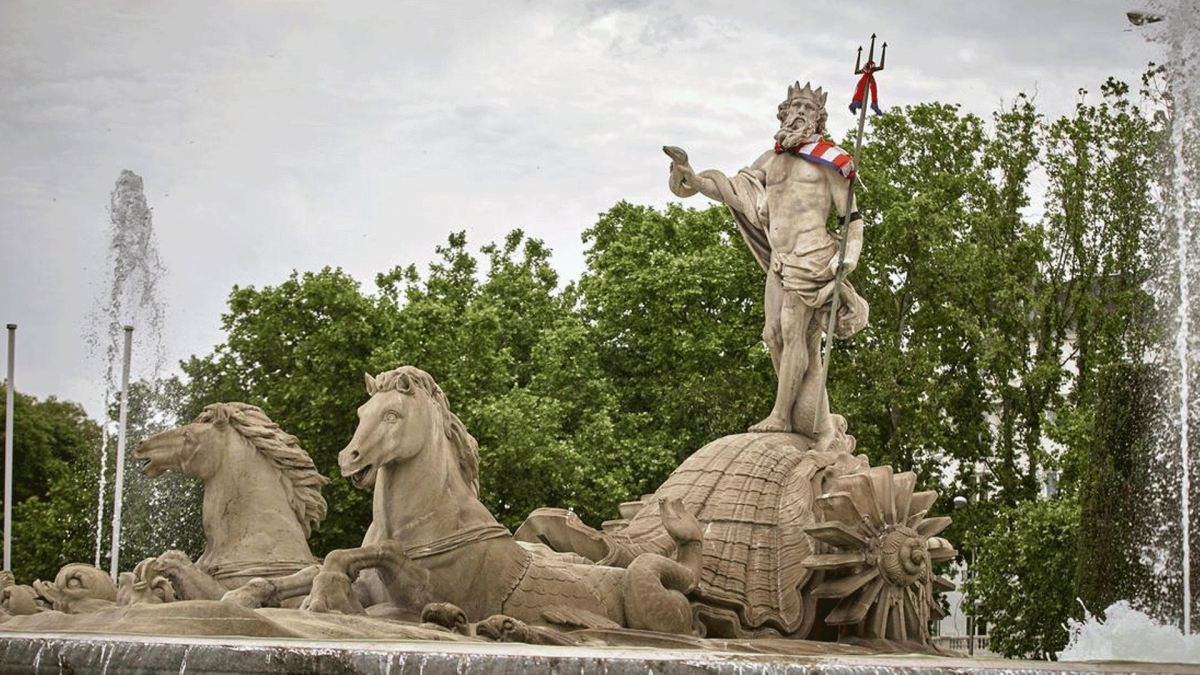
Very close to Cibeles, this white marble neoclassical fountain depicts the god of the sea riding a chariot pulled by sea horses. If you’re an Atlético de Madrid fan, take note: this is where the «colchoneros» celebrate their titles. Another must for your route of central fountains and squares.
27. Salamanca Neighbourhood
If you fancy a contrast from the alternative vibe of Malasaña or Chueca, take a walk down Calle Serrano, in the heart of the Salamanca neighbourhood, one of the most exclusive areas in Spain. You don’t need to buy anything (prices definitely aren’t Erasmus-budget-friendly), but it’s worth strolling among the luxury shops and 19th-century architecture. This is also where Paseo de la Castellana runs, all the way up to the Bernabéu.
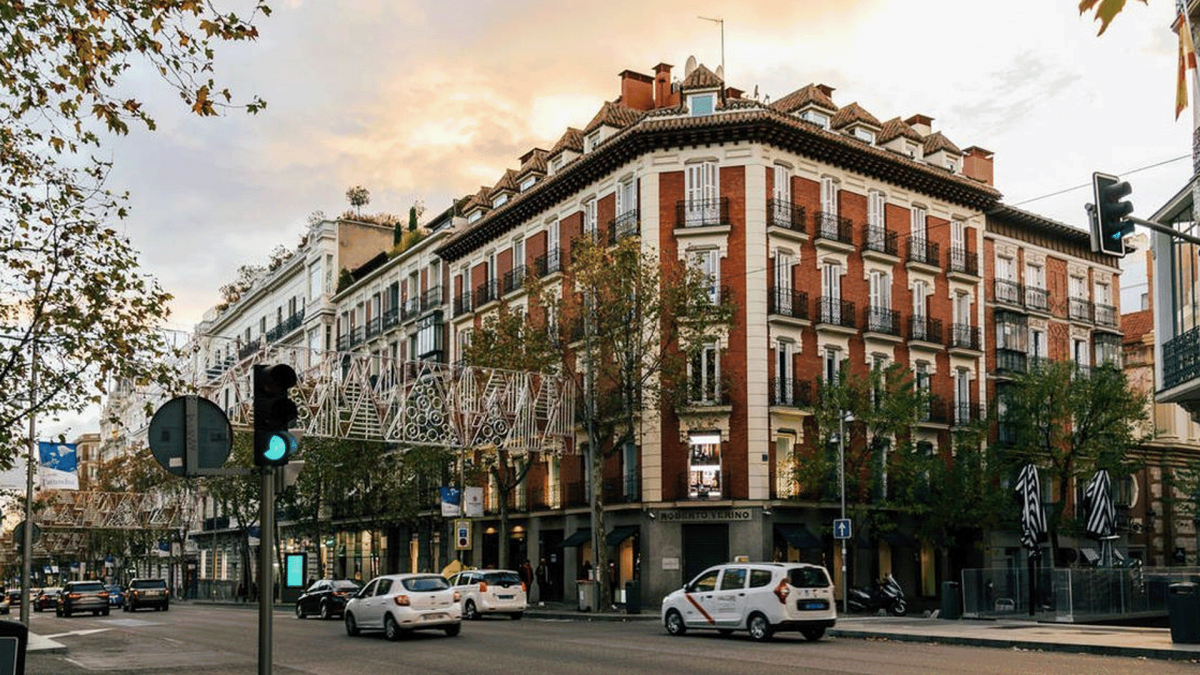
28. Plaza de Colón
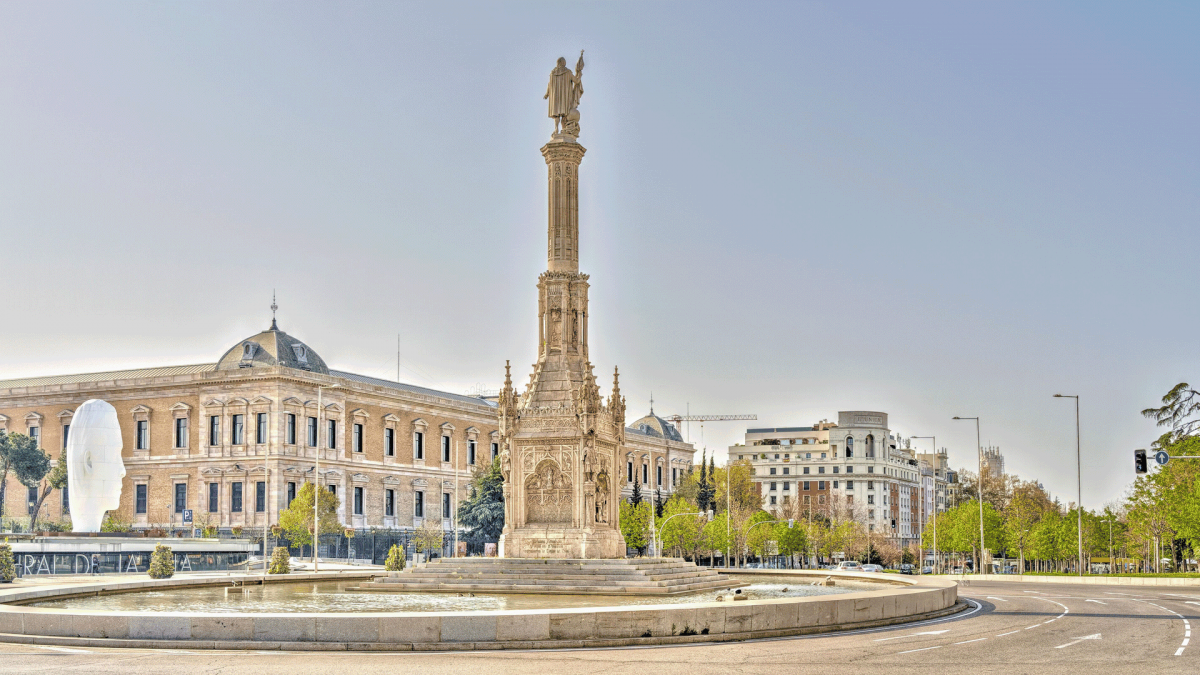
Near the Salamanca neighbourhood, this square brings together several points of interest: the Jardines del Descubrimiento, the Torres de Colón, and above all, the National Archaeological Museum, where you can see pieces like the Lady of Elche. Right next door is the National Library of Spain, which holds a copy of every book ever published in the country.
29. Iglesia de San Antonio de los Alemanes
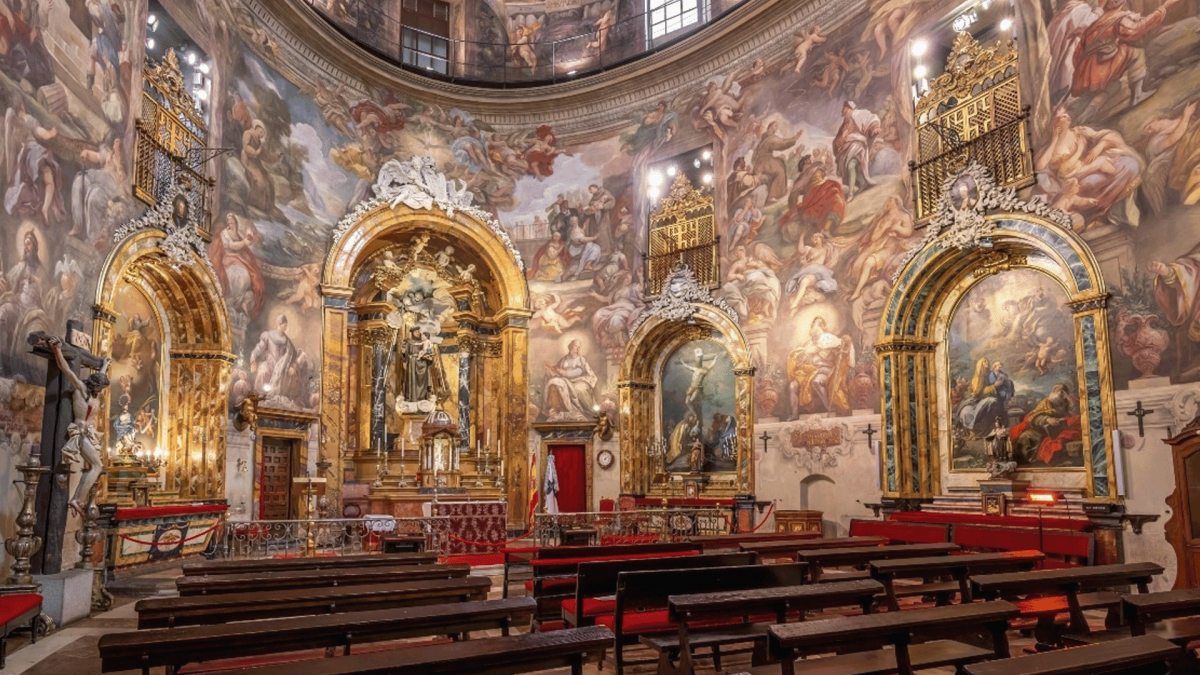
Near Gran Vía, on Calle de la Ballesta, this 17th-century baroque church has a fairly plain façade that hides a spectacular interior: walls and dome completely covered in high-quality frescoes. A quick stop if you’re into religious art, or just want to see something different without straying far from the centre.
30. Madrid Río
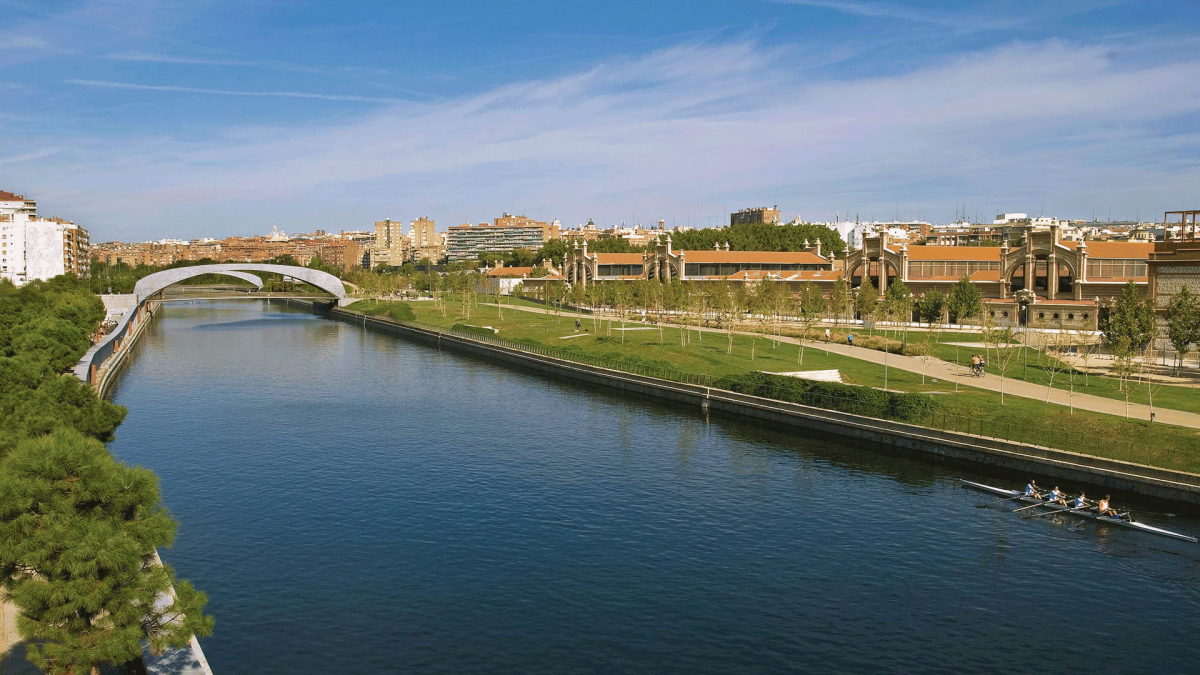
If you fancy some exercise or simply a walk away from the buzz of the centre, Madrid Río is your spot. This urban park runs 7 kilometres alongside the Manzanares River, with green spaces, sports areas, and even an urban beach in summer. It’s also home to Matadero Madrid, a former slaughterhouse turned cultural space with exhibitions, festivals and theatre.
31. Parque de El Capricho
A bit further from the centre (around 45 minutes by public transport), this park is the only surviving romantic style garden in Madrid. Built in the late 18th century, it blends French, Italian and English garden styles, and during the Civil War it was used as an air raid shelter, which can still be visited by booking in advance. A great plan if you’re after something less touristy with more history behind it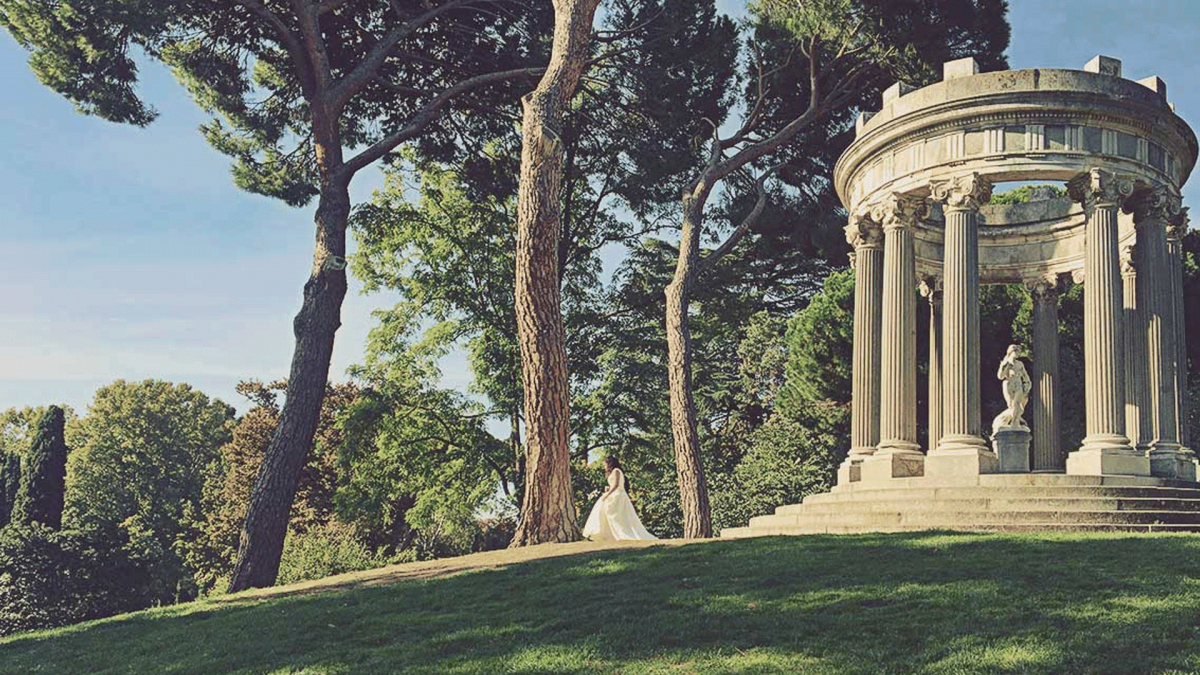 .
.
32. Casa de Campo
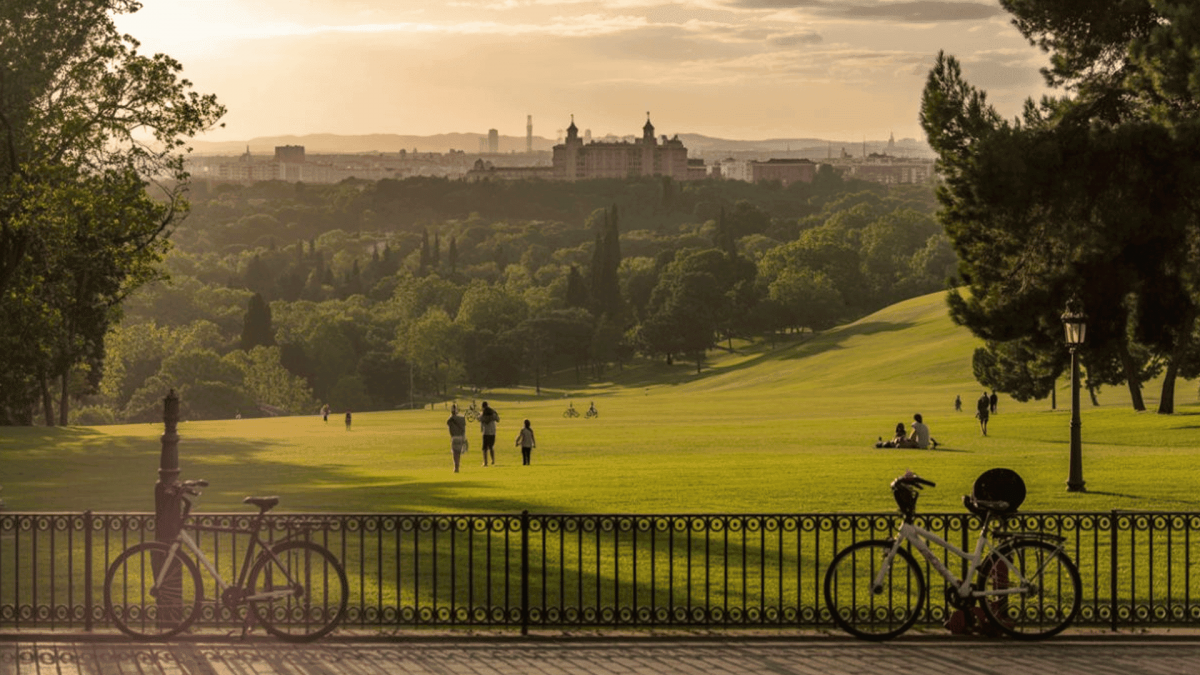
Madrid’s largest public park, spanning over 1,700 hectares. A former royal hunting ground, today it’s perfect for running, cycling, or simply losing yourself along its trails. You can combine it with the cable car (point 24) to arrive flying over the city.
33. Other museums worth visiting in Madrid
If the Prado, the Reina Sofía and the Thyssen aren’t enough art for you, Madrid has more interesting options:
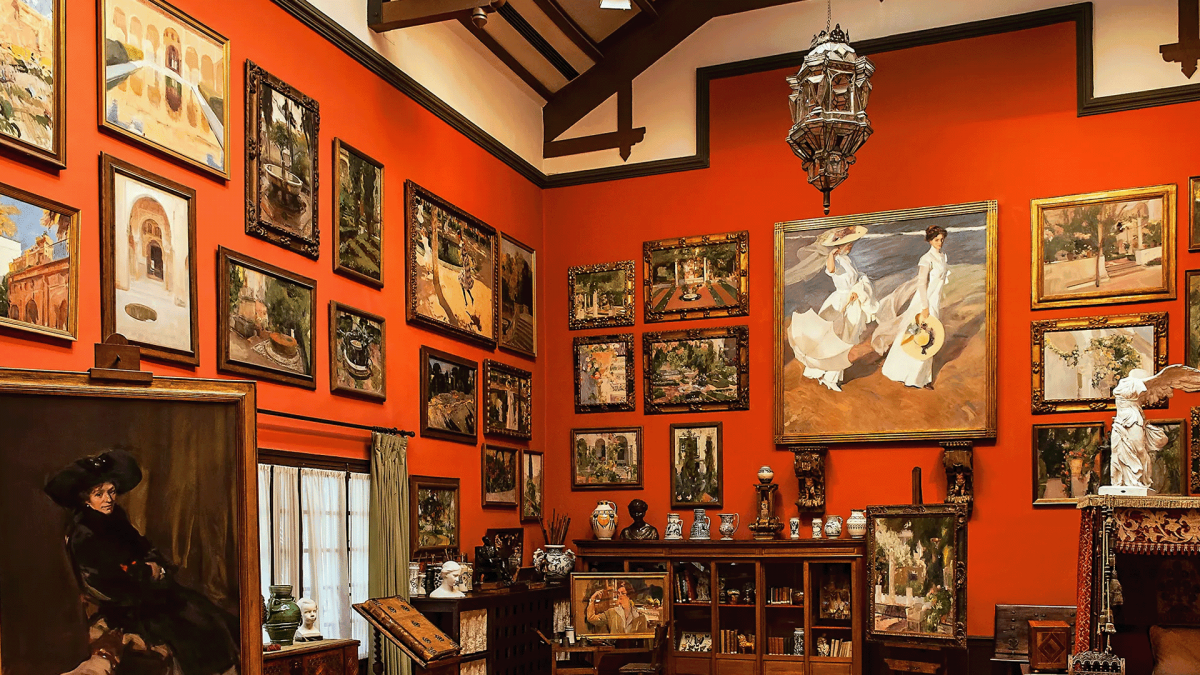
- Sorolla Museum: painter Joaquín Sorolla’s house-museum, set in a beautiful mansion.
- Naval Museum: for those curious about Spanish maritime history.
- Wax Museum: over 450 wax figures, a fun different plan with friends.
- Railway Museum: housed in the former Delicias station, with historic locomotives.
34. Parque Warner
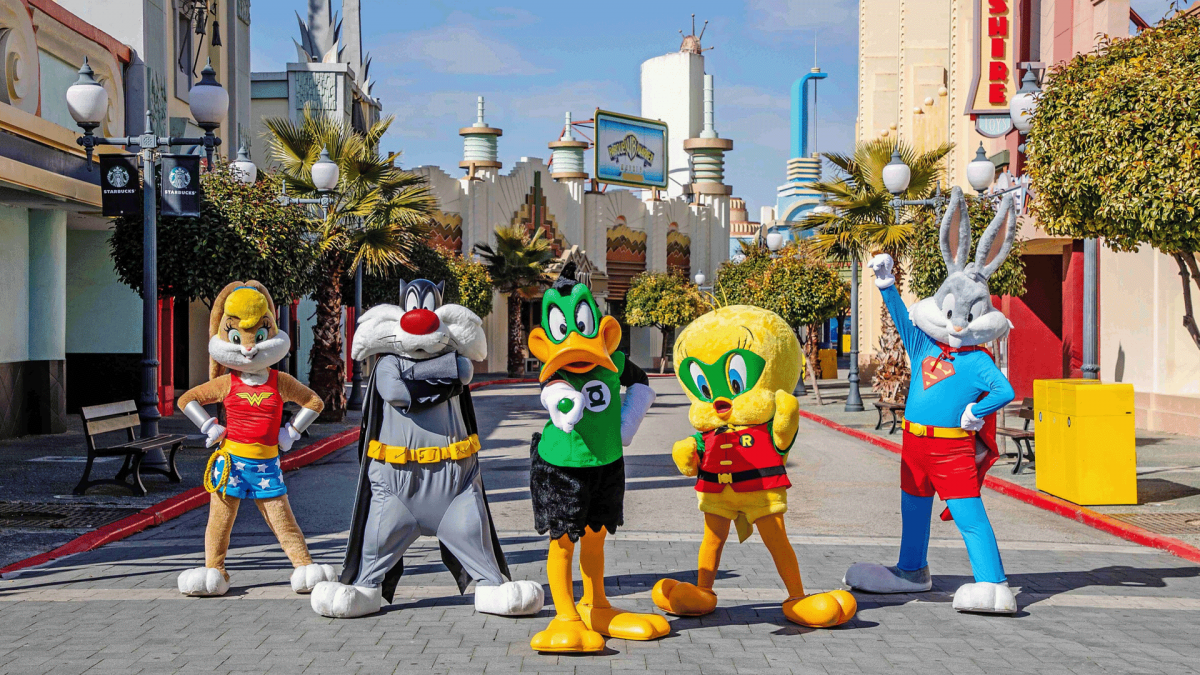
If you fancy a full day of pure adrenaline (and switching off completely), Parque Warner is about 30 kilometres from Madrid, in San Martín de la Vega. Roller coasters, Warner Bros characters, and several themed areas modelled on US cities. You can get there by Cercanías (line C-3) plus a bus from Pinto station. A full-day plan, ideal for a big group of Erasmus friends.
35. Day trips from Madrid
If you’ve got free weekends (and you will), Madrid is surrounded by cities well worth visiting, all under an hour away by train or bus:
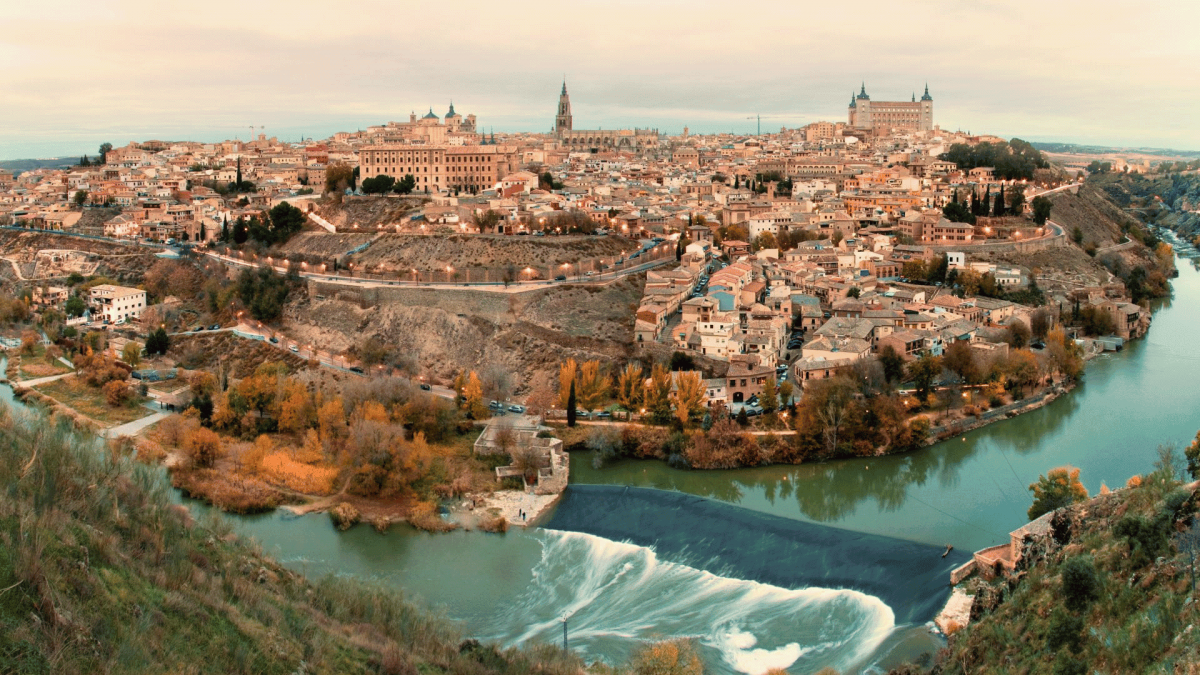
- Toledo: Spain’s former capital, with a UNESCO World Heritage historic centre.
- Segovia: famous for its Roman aqueduct and its Alcázar.
- El Escorial: Philip II’s monastery palace, an architectural stunner.
- Ávila: known for its medieval walls, among the best preserved in Europe.
- Cuenca: its famous Hanging Houses are a must for the photo.
Any of these cities can be visited in a single day, making them the perfect stress free Sunday plan.