It’s fast, cheap (especially if you’re under 26), and it’ll get you to pretty much any corner of the city without any hassle. Here’s everything you need to know about transport in Madrid as an Erasmus student: how to get your pass, what mobility options exist, and tips to get around like a local.
Madrid transport pass: the key to getting around without overspending
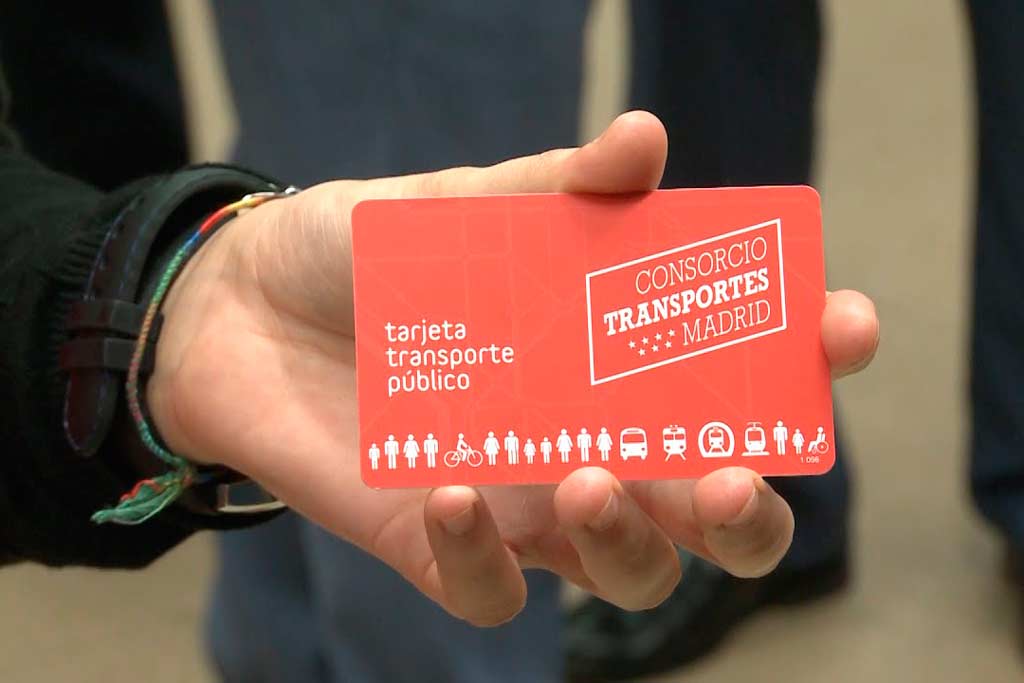
Almost every student in Madrid has one thing in common: they use the monthly transport pass (abono), which gives you unlimited access to metro, bus and cercanías for 30 days. The process has two steps:
- Apply for your transport card (one-time).
- Top it up every month with the pass that applies to you.
Important tip: apply for your transport card online about 4 weeks before arriving in Madrid. At the start of each semester there are huge queues of students doing the same paperwork, so the sooner you sort it, the better.
Young Pass vs. Normal Pass: which one applies to me?
- Young Pass (Abono Joven) (under 26): €20 a month, giving you access to ALL zones in Madrid. If you’re an Erasmus student under 26, this is your no brainer option an insane deal for the price.
- Normal Pass (26-65): price varies depending on the zones you travel through (A, B1, B2, B3, C1, C2…). Zone A covers the city centre.
University Quarterly Pass: the alternative if you’re over 26 or study outside the centre
If your university is outside the centre (Alcalá de Henares, Autónoma de Cantoblanco, Carlos III, Rey Juan Carlos) or you’re simply over 26 and can’t get the Young Pass, this is your best bet: all Erasmus students can apply for it with their university student ID.
- Zones 1 and 2: €87.75 per quarter.
- Zone 3: €110.90 per quarter.
With this card you get unlimited trips to campus for a fixed price, so if you’re commuting daily, it’s well worth it.
Multi Card: your transport wallet
The Multi Card is where both your pass and single tickets (metro, 10-trip interurban bus tickets, etc.) get loaded. It costs €2.50 and can be bought at metro stations and tobacco shops (estancos). It’s basically replaced the old magnetic strip tickets, so it’s the one you’ll be using no matter what.
Lost your transport card? No need to panic, there’s a simple process to request a new one, so check how to do it on the official Consorcio de Transportes website.
Public transport options in Madrid
Madrid Metro: fast, reliable and everywhere
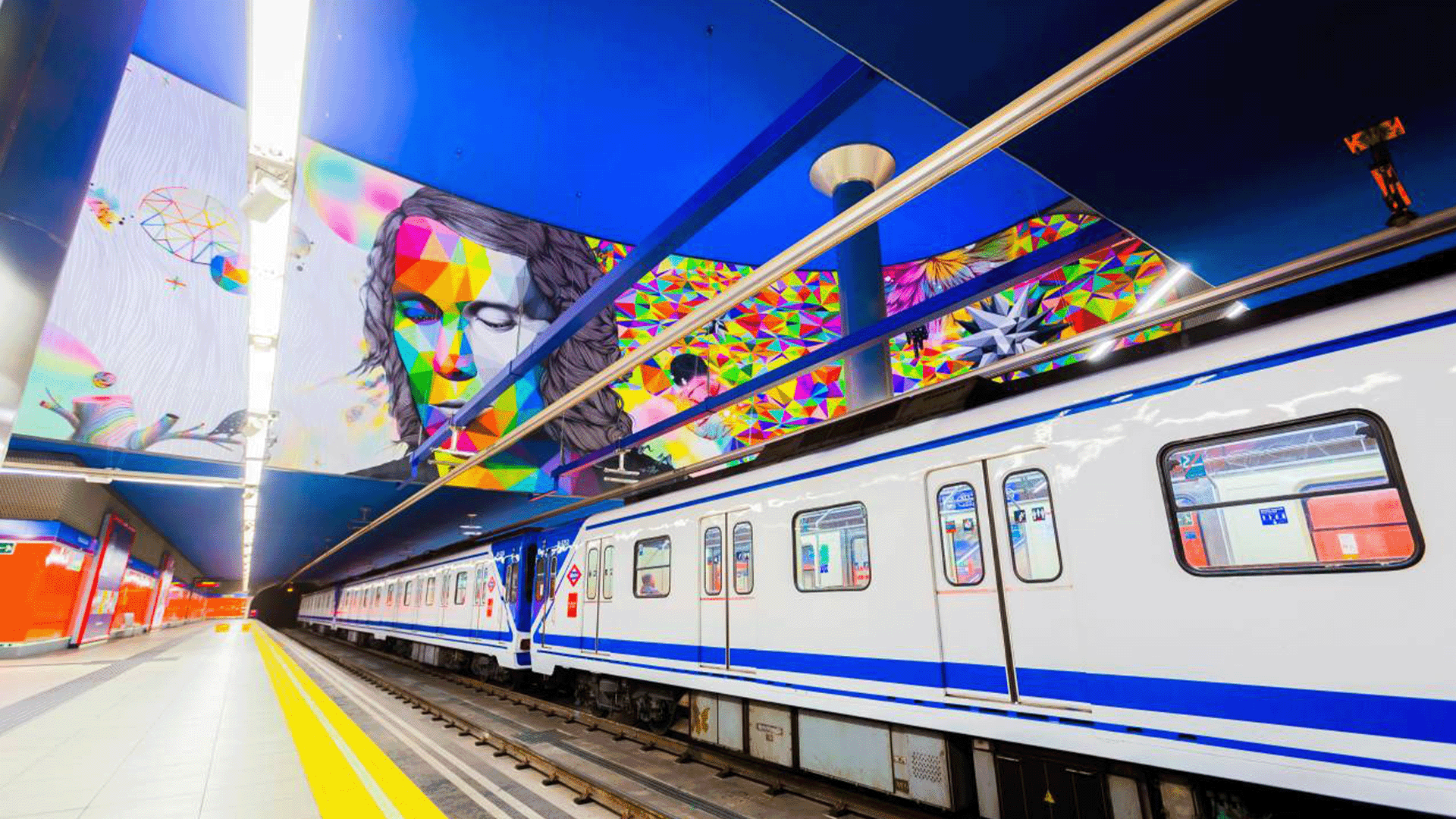
Madrid’s metro is one of the best in the world, with 13 lines covering 294 km and 302 stations. It runs from 6:00 to 1:30, making it the best option both for getting to class on time and for getting home from a night out without depending on anyone. It’s hands down the fastest way to get around the city without dealing with traffic.
Buses (EMT): reaching every corner of the city
Madrid has more than 200 bus lines, generally running from 6:00 to 23:30 (though it’s worth checking timetables, as some lines run less frequently). Random but useful fact: lines 001 and 002 are electric and completely free. Plus, many buses have free Wi-Fi, perfect for going over your notes on the way to class.
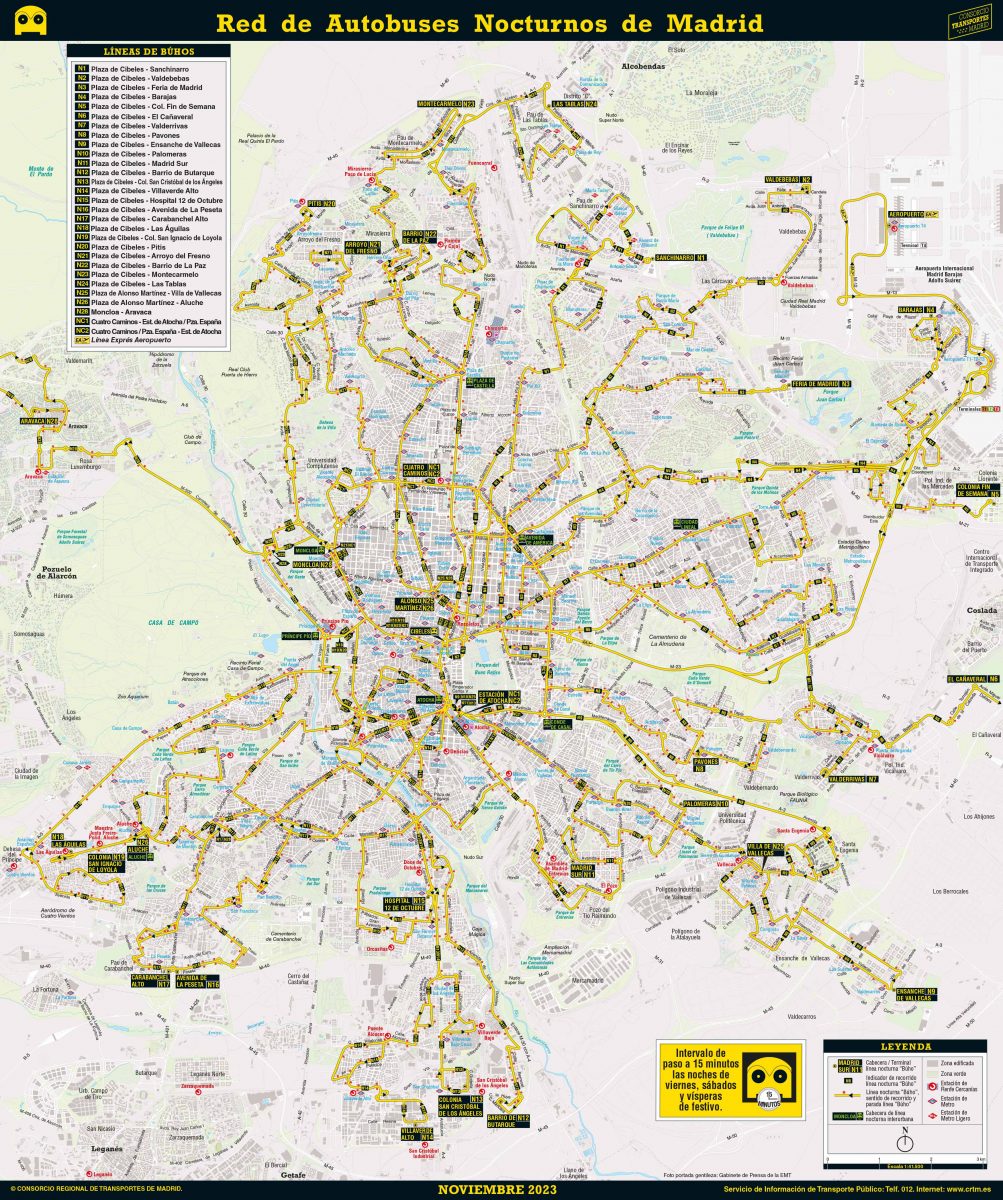
For nights out, there are the búhos (night buses), running 28 routes from 23:55 to 5:50, covering most of the city and surrounding areas so you get home safe even once the metro’s closed.
Cercanías Renfe: your go to if you live outside the centre
If your flat or residence is on the outskirts (Pozuelo, for example), the Cercanías trains are your best friend. Line C-10, for instance, gets you to the centre in under 20 minutes. Heads up: this system is separate from the metro and bus network, with its own zone-based ticketing, the further you travel, the pricier the ticket.
They’re also the perfect option for a day trip to San Lorenzo de El Escorial or Alcalá de Henares.
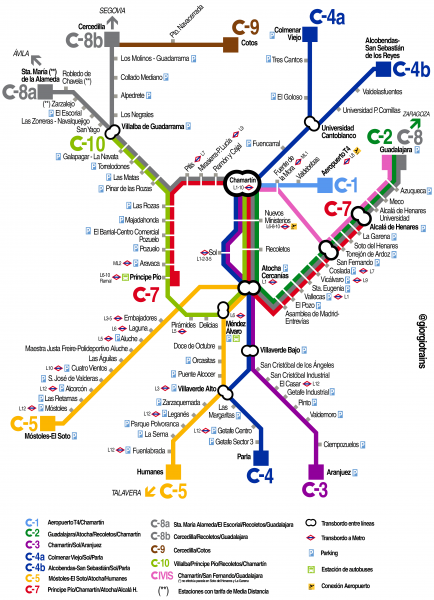
Metro Ligero: ideal for residential areas
The Metro Ligero is a kind of modern tram connecting residential neighbourhoods with the rest of the network. Line ML2, for example, passes through Pozuelo and connects easily with the rest of Madrid.
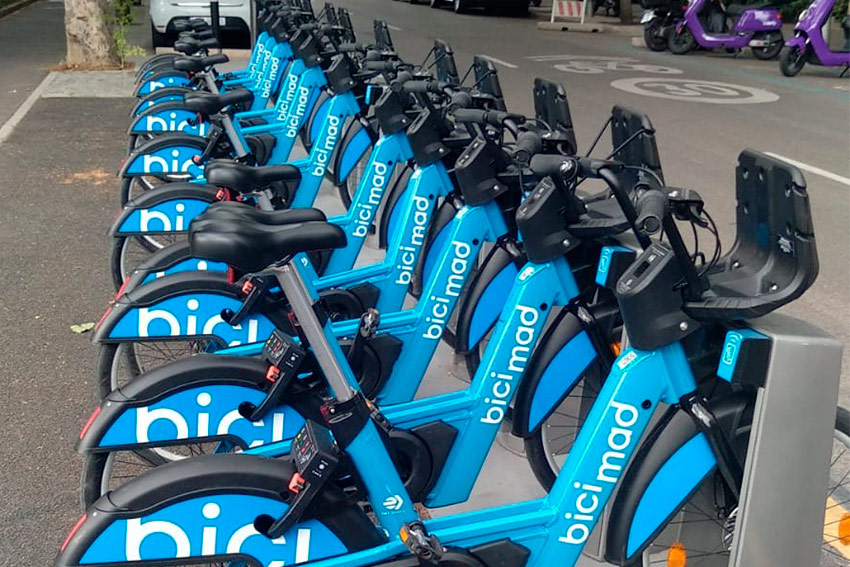
BiciMAD: the sustainable, budget friendly option
Madrid is increasingly bike-friendly, with over 1,000 km of bike lanes and the BiciMAD bike-share system: 7,500 electric bikes spread across 611 stations. Just download the app, sign up, and unlock a bike to start pedalling.
Rates: €0.50 for the first 30 minutes, and €3 extra for every additional 30 minutes. Keep in mind Madrid does have some hilly areas and cobbled streets that aren’t the comfiest on two wheels.
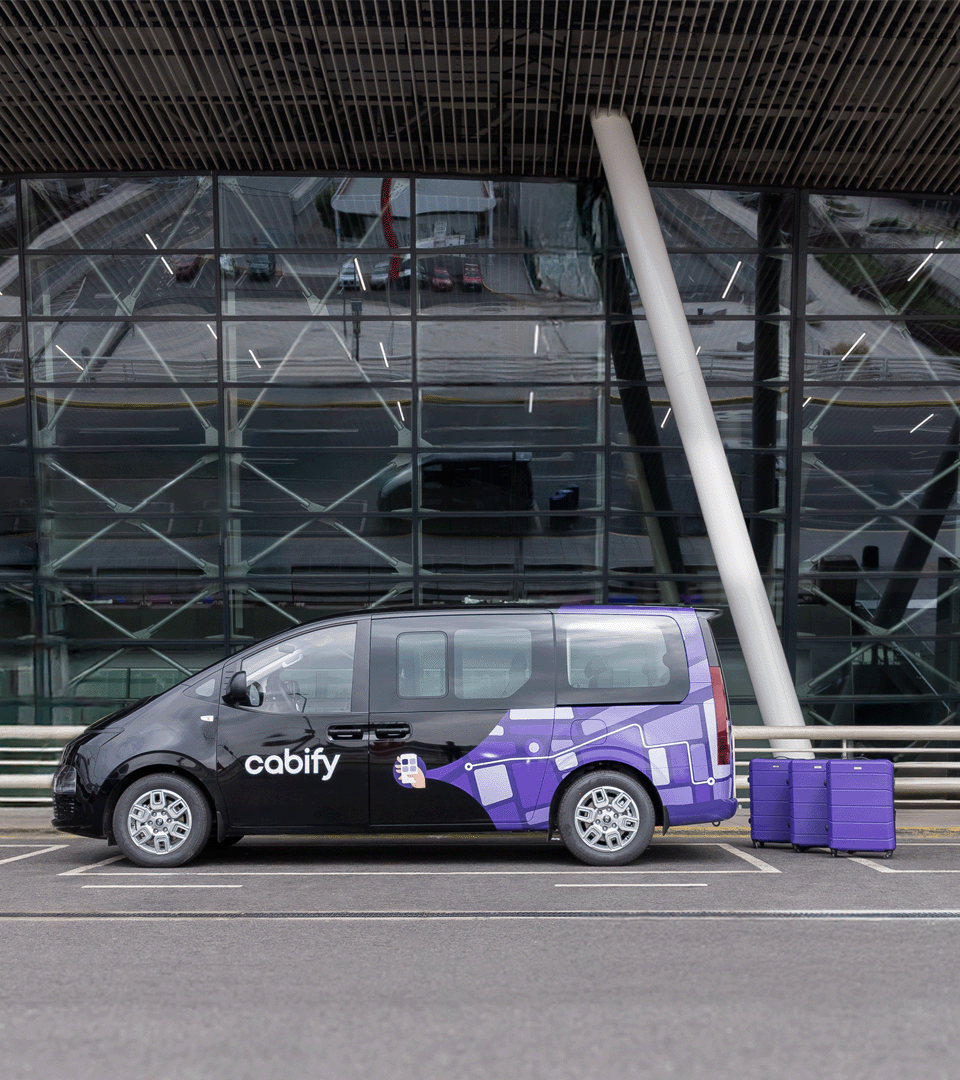
Taxis, Cabify, Bolt and Uber
Madrid taxis are white with a diagonal red stripe on the door (a green light on the roof means it’s free). Minimum fare is €2.50 Monday to Saturday from 6:00 to 21:00, and €3.15 on Sundays and public holidays. Very few taxi drivers speak English, so keep your address written down on your phone just in case. And avoid hailing a taxi near train stations, as they tend to come with a surcharge.
If you’d rather book from your phone, Bolt and Uber both work well in Madrid compare prices before booking, as they can vary quite a bit between platforms.
Carsharing: Wible, Zity and Europcar
If you need a car for a one-off trip (say, a weekend getaway to Ávila or Segovia), apps like Wible, Zity or Europcar let you rent by the hour: download the app, verify your ID, find the nearest car, and off you go. Europcar also offers a daily rate instead of hourly, handy for longer trips.
Tips and tricks for getting around Madrid like a local
- From the airport to the centre: take metro line 8, which stops at terminals 1, 2, 3 and has a separate stop for T4. It drops you at Nuevos Ministerios, right in the city centre, in 15-20 minutes.
- Tourist travel card: if you’ve got friends or family visiting, this card gives unlimited transport use for 1 to 7 days. Buy it at metro stations or at the airport.
- Avoid rush hour: public transport gets packed between 8:00-10:00 and 18:00-20:00. If you can, plan your trips outside those windows.
- Explore Madrid on foot: neighbourhoods like Malasaña or Chueca are best enjoyed walking, and Madrid in general is a very walkable city.
- Accessibility: more than half of metro stations are fully accessible (ramps and lifts), and all EMT buses have low floors and ramps.
Must-have apps for getting around Madrid
- Google Maps: real time routes on foot, by bike or public transport, with up to-date metro and bus timetables.
- Citymapper: probably the best app for planning public transport routes in Madrid, with real time disruption alerts.
- BiciMAD app: to find bikes and available stations, start trips and manage your account.
- Wible / Europcar: for quick carsharing whenever you need a car on short notice.
- Bolt / Uber: to compare ride hailing prices and get straight to your destination.