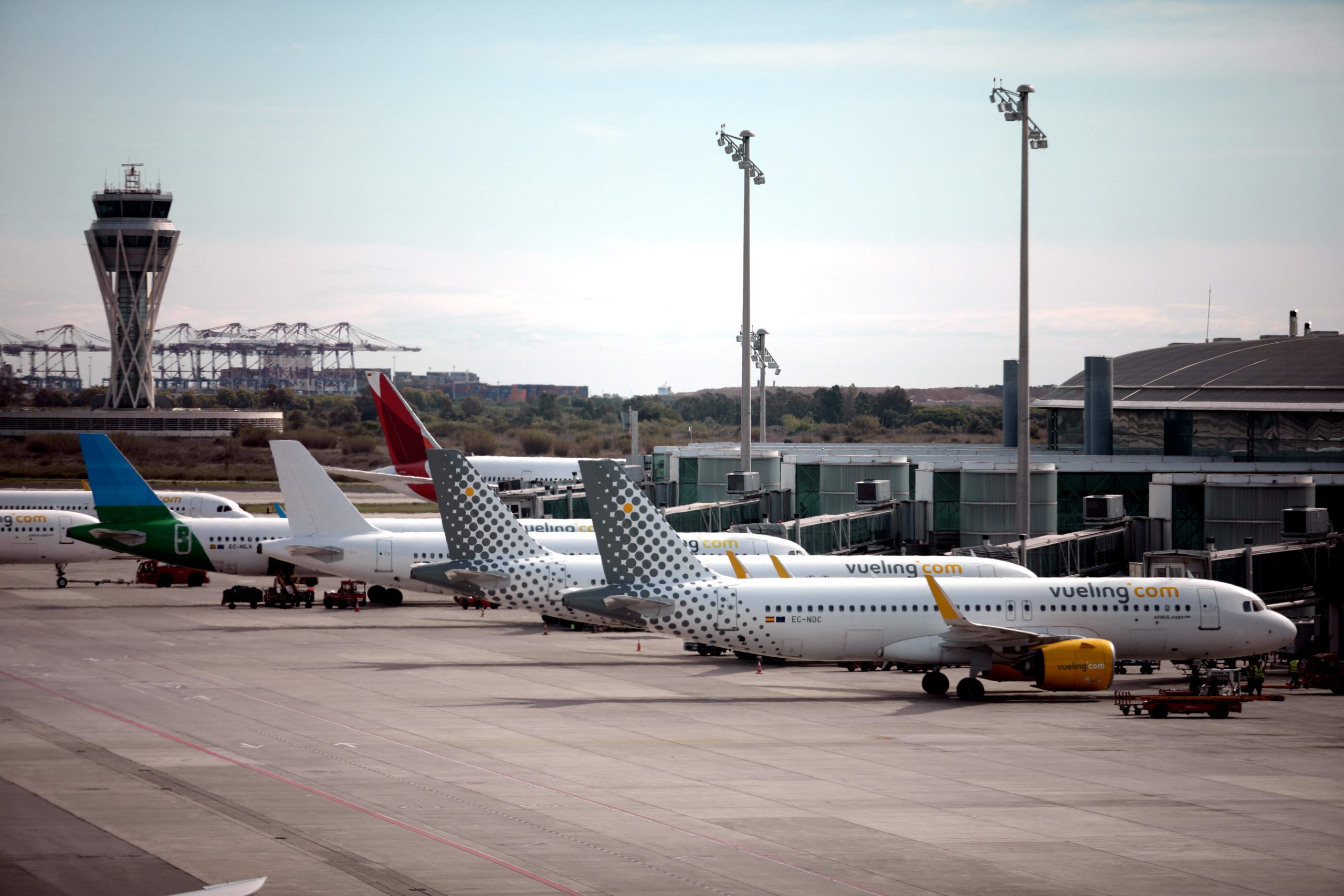
Whether you’re coming from abroad by plane or moving around within Spain by train or bus, here are all your options for getting to Barcelona, with times, prices and tips to make your arrival in the city as smooth as possible..
Flying to Barcelona: Josep Tarradellas Barcelona-El Prat Airport
If you’re coming from outside Spain, chances are you’ll land at Josep Tarradellas Barcelona-El Prat Airport, one of the major hubs in southern Europe and the city’s main gateway. It’s about 16 kilometres south of the centre, with two terminals, T1 and T2 (the latter split into A, B and C). Fun fact: terminals are organised by airline rather than by destination or country, so it’s worth double-checking which terminal your return flight leaves from when the time comes.
Secondary airports: Girona, Reus and Lleida
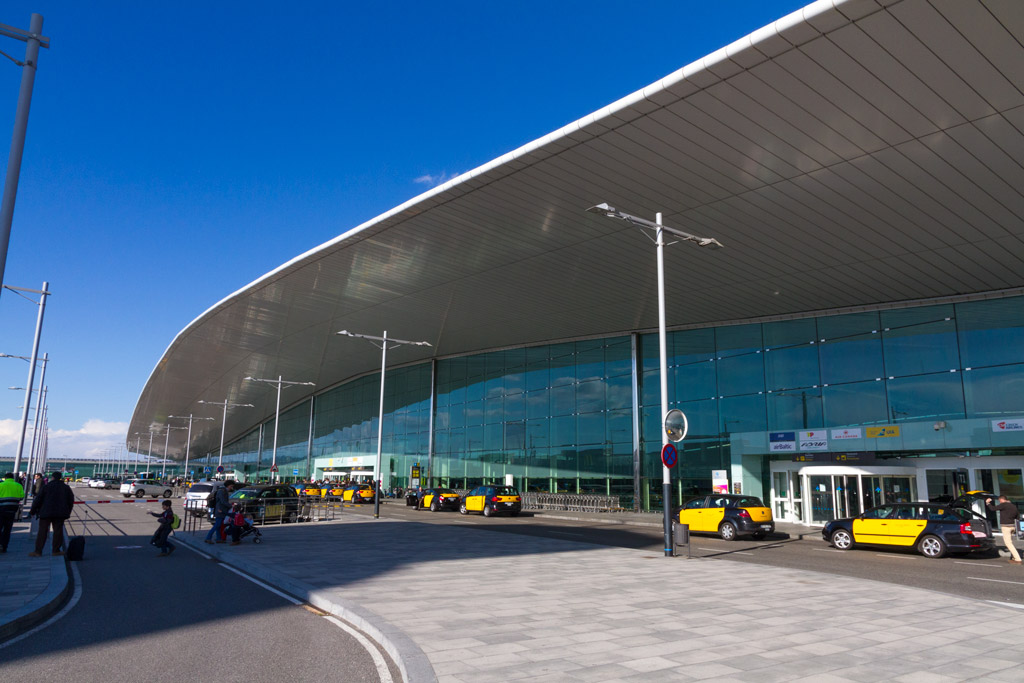
If you’re flying with a low cost airline (Ryanair being the usual suspect), your flight might land at one of the region’s secondary airports: Girona-Costa Brava, Reus or Lleida-Alguaire, all a fair distance from Barcelona (roughly 90 to 150 km away). It’s not the end of the world, but it does mean an extra bus journey to reach the city, so factor that into your arrival plans.
How to get from Barcelona Airport to the city centre
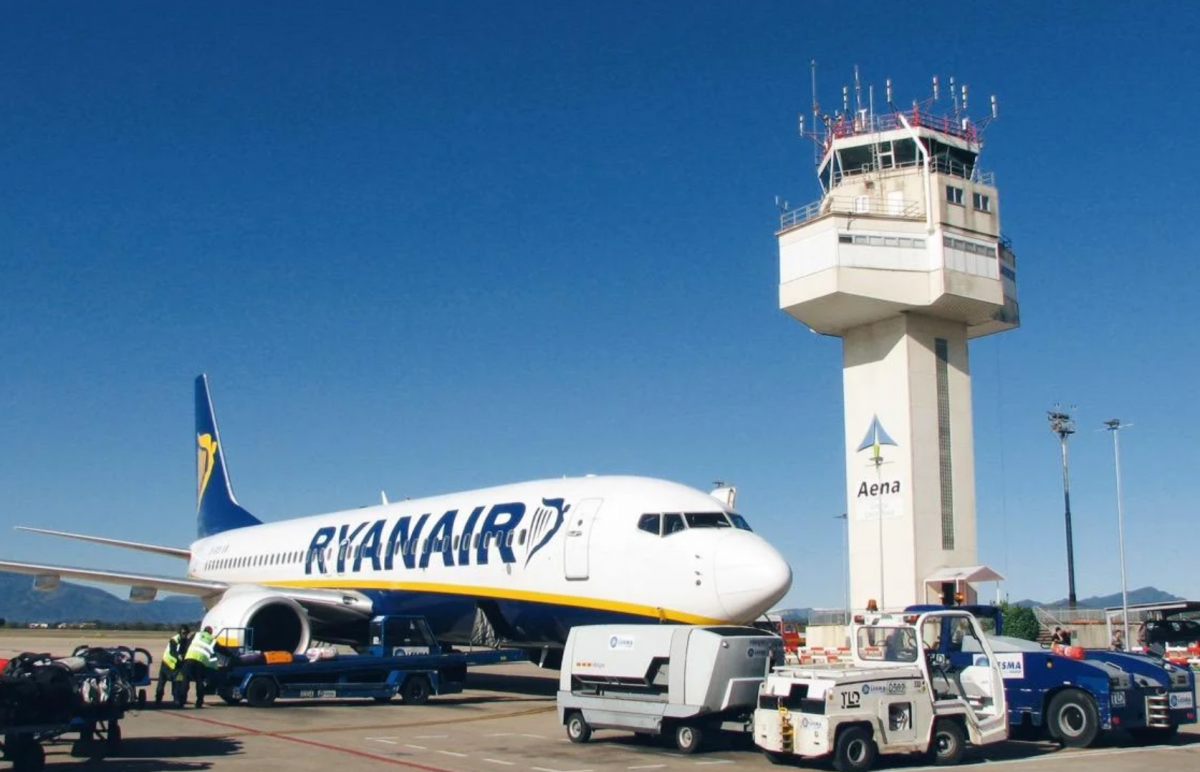
Once you land at El Prat, you’ve got several ways to reach the centre. Here’s the full rundown:
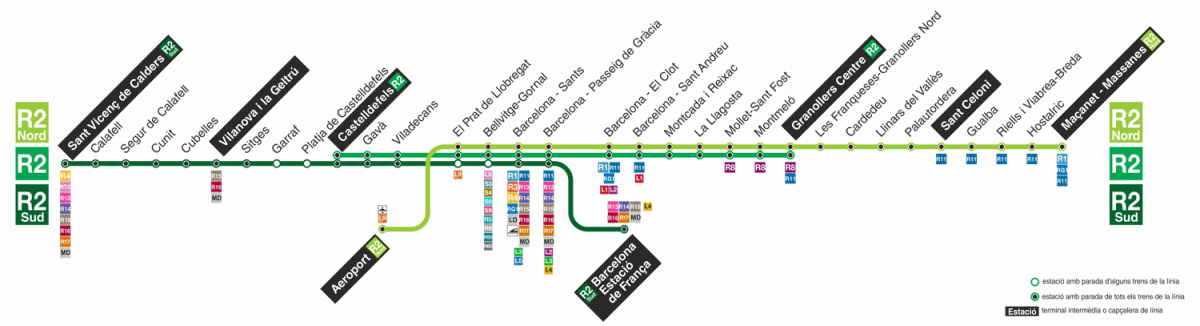
Train (Rodalies R2 Nord)
One of the fastest and cheapest options. The R2 Nord line connects to Barcelona Sants, Passeig de Gràcia and El Clot-Aragó.
- Departs from: Terminal T2. If you land at T1, there’s a free shuttle between terminals to reach the train station.
- Frequency: roughly every 30 minutes, from 6:00 a.m. to midnight.
- Included in the integrated transport system (T-mobilitat), so if you already have a regular pass, it works just the same.
Metro (line L9 Sud)
Stops at both terminals (T1 and T2), and although it doesn’t reach the centre directly, it connects with other lines that do. It also links directly to Camp Nou, so if your first stop is the stadium, this is your line.
- Operating hours: 5:00 a.m. to midnight Monday to Thursday, until 2:00 a.m. on Fridays and the eve of public holidays, and non-stop on Saturday nights.
- Included in T-mobilitat, though heads up: T-casual, T-familiar and T-grup tickets aren’t valid for entering or exiting the L9 Sud airport stations. You’ll need a T-usual, T-jove, T-dia or T-70/90.
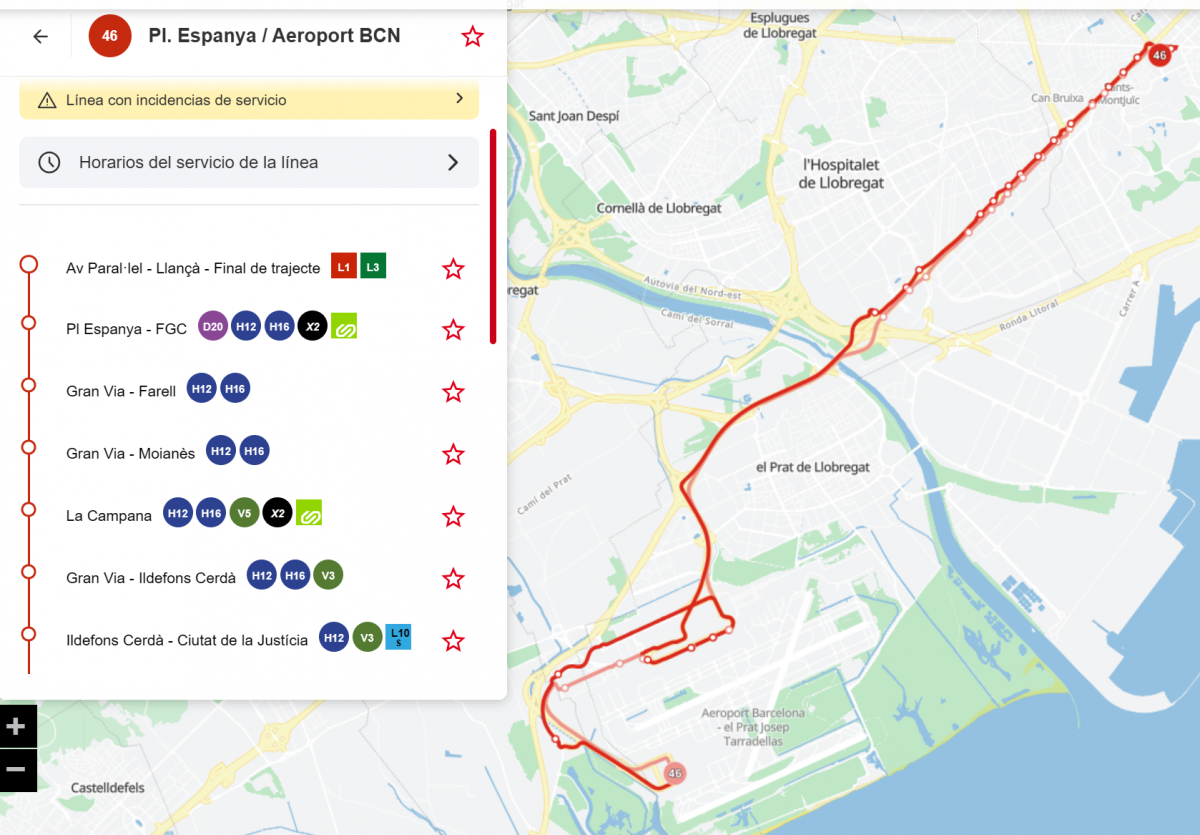
Regular bus (line 46, TMB)
Connects Plaça Espanya with terminals T1 and T2, running roughly from 5:00 a.m. to midnight. It’s included in the integrated transport system, so if you already have your student pass, this is probably your cheapest option.
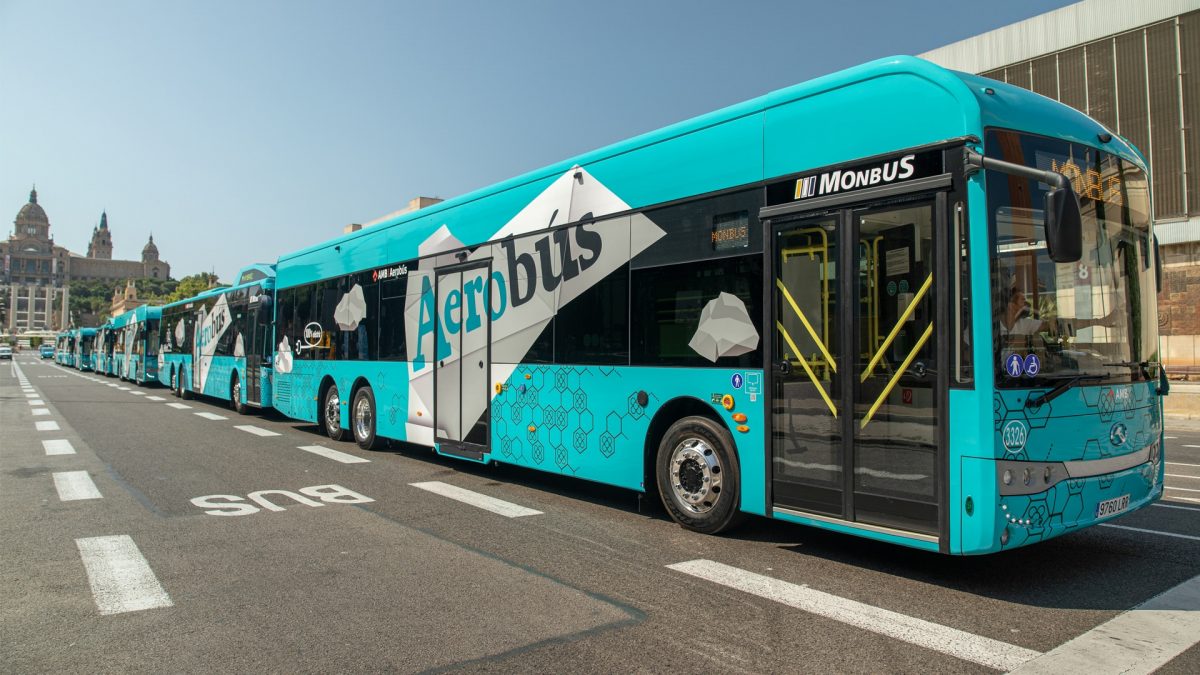
Aerobús express
The go-to express service, with departures every 5-10 minutes depending on the time of day. Note that it requires a separate ticket, from €7.45, since it’s not part of the integrated transport network.
How to get to the centre at night from the airport
If your flight lands in the early hours, don’t worry, there are options:
- Metro: closes at midnight on weekdays, runs until 2:00 a.m. on Fridays and the eve of public holidays, and operates non stop on Saturday nights.
- NitBus N17 (T1) and N18 (T1 and T2): connect both terminals with various parts of the city and Plaça Catalunya, running roughly between midnight and 5:00 a.m., every 20-30 minutes.
- Aerobús express: also available at night, with departures every 10-20 minutes depending on the schedule.
Getting to Barcelona by sea: the Port of Barcelona
The Port of Barcelona is one of the busiest cruise ports in Europe, with several terminals for cruise ships and ferries (including regular connections to the Balearic Islands and other Mediterranean ports). It’s fairly close to the centre, so getting into the city from here is straightforward.
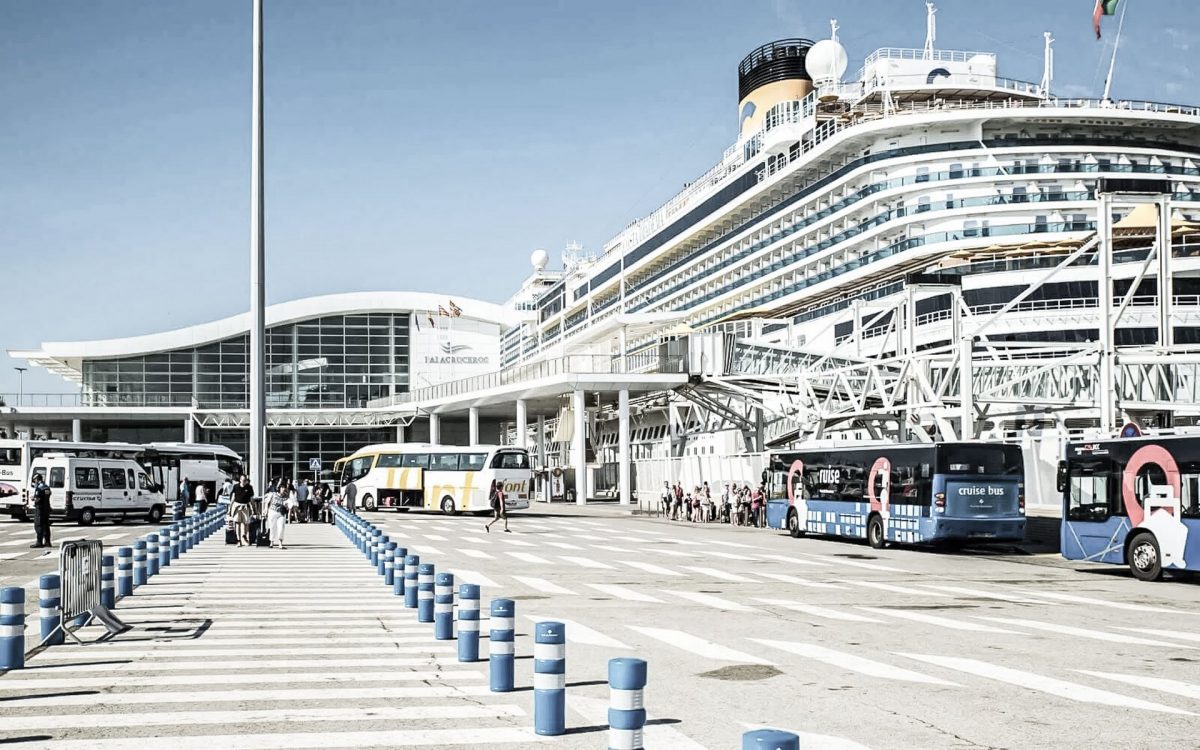
How to get to the centre from the port
- Metro (line L3): the nearest station is Drassanes, just a few minutes’ walk from the port, connecting directly to the city’s main tourist and central spots.
- T-3 PORTBUS shuttle: connects the quay terminals with the city and links up with metro line L3.
- Regular buses: several lines stop near the port (D20, H14, V11, V13, 21, 59 and 120), connecting both to Barcelona and nearby towns.
⚠️ Keep in mind the T-3 PORTBUS shuttle isn’t included in the integrated transport system (T-mobilitat), unlike the rest of the bus and metro lines.
Getting to Barcelona by train
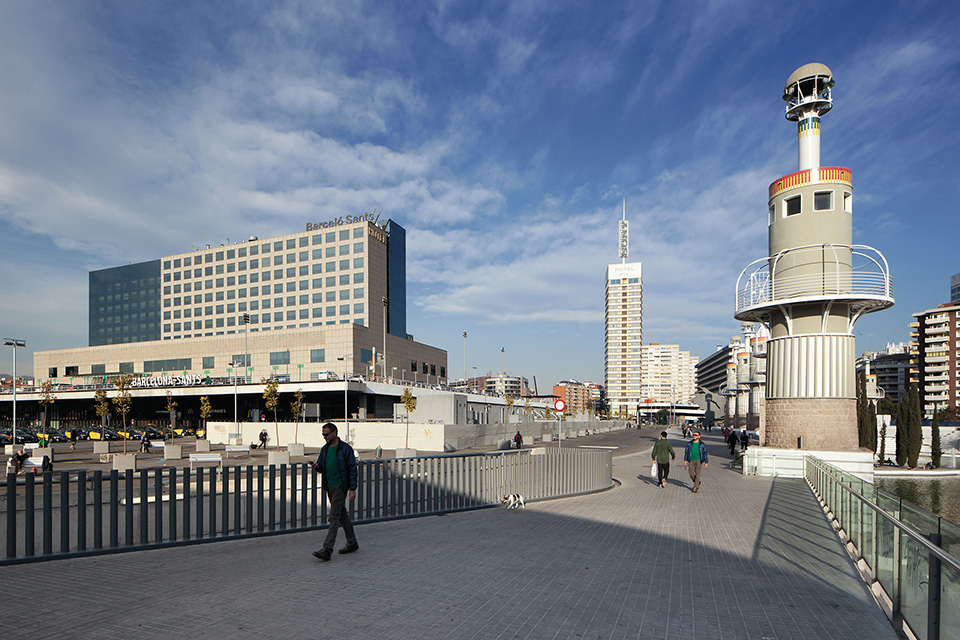
If you’re travelling within Spain or from other European countries, the train is a fast, comfortable and fairly sustainable option. The main station is Barcelona Sants, right in the city centre and well connected by metro, bus and taxi.
Domestic connections
- Madrid-Barcelona: around 8 trains a day, with a journey time of roughly 2h30 by AVE.
- Valencia-Barcelona: around 16 trains a day, with a journey time of about 4h30.
📌 Tip: a ticket to Madrid can run around €120 at standard fare, so if you’re on a tight budget, it’s worth comparing prices across operators (Renfe, Ouigo, Iryo) and booking in advance, since the cheapest deals tend to sell out fast.
International connections
If you’re heading to or from France, there are daily trains connecting to Montpellier via Perpignan. There are also direct high-speed connections to cities like Paris, Zurich or Milan, so if your Erasmus includes some travel around Europe, Barcelona makes a great starting point.
How to get to the centre from Barcelona Sants
- Rodalies Renfe: Barcelona Sants is the city’s main commuter train hub, giving you access to practically every line.
- Metro (lines L5 and L3): connect to the city’s most important and touristy spots, with the same operating hours as the rest of the network (until midnight on weekdays, 2:00 a.m. on Fridays, and non-stop on Saturday nights).
- Regular buses: several urban and interurban lines (D40, H10, V7, 27, 78, 115, CJ and L94) connect the station with Barcelona and nearby towns.
Getting to Barcelona by bus
If budget is your priority, the bus is a practical, flexible and accessible option, with regular services from all over Spain and much of Europe. It tends to be slower and less comfortable than the train, but it makes up for it in price.
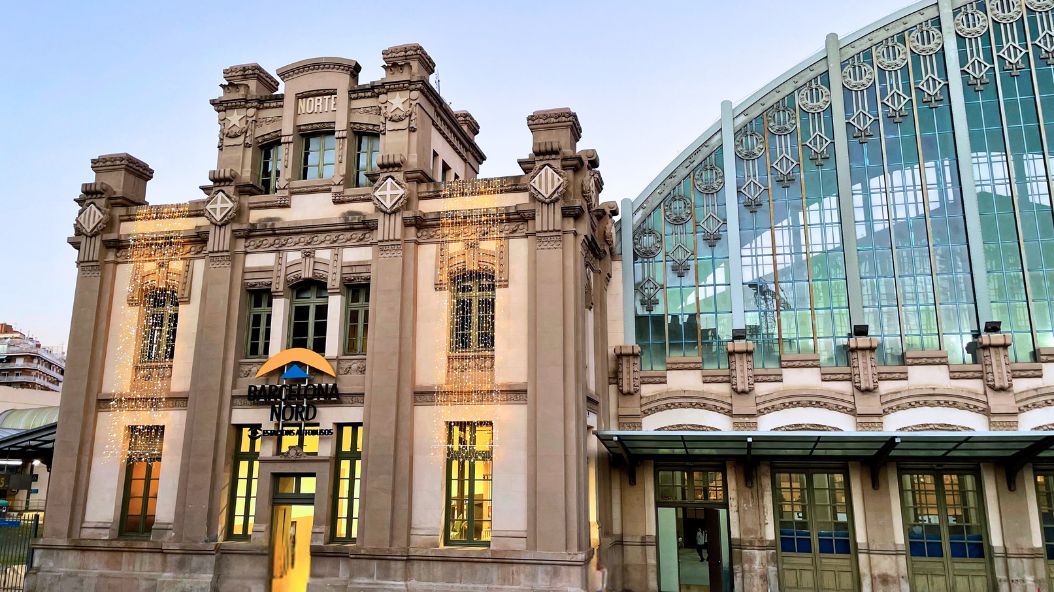
The main long-distance bus station is Estació del Nord, though Barcelona-Sants station (next to the train station of the same name) also handles plenty of domestic and international services. Companies like Alsa (Eurolines’ Spanish partner) connect Barcelona to destinations like Paris, Portugal, or even Morocco.
Getting to Barcelona by car
Barcelona is very well connected by road, both to the rest of Catalonia and Spain and to the south of France:
- From France: via the AP-7 and C-32 motorways, and the N-II main road. The French border is about 188 km away, roughly an hour and 40 minutes by motorway.
- From southern Spain: also via the AP-7 and C-32.
Once inside the city, two major ring roads organise traffic: the Ronda de Dalt and the Ronda del Litoral, connecting the different neighbourhoods.
Once in Barcelona, keep in mind that on street parking is limited and regulated zones (blue and green) are pretty common in the centre, so most students prefer getting around on foot or by public transport day to day, leaving the car for the occasional trip outside the city.