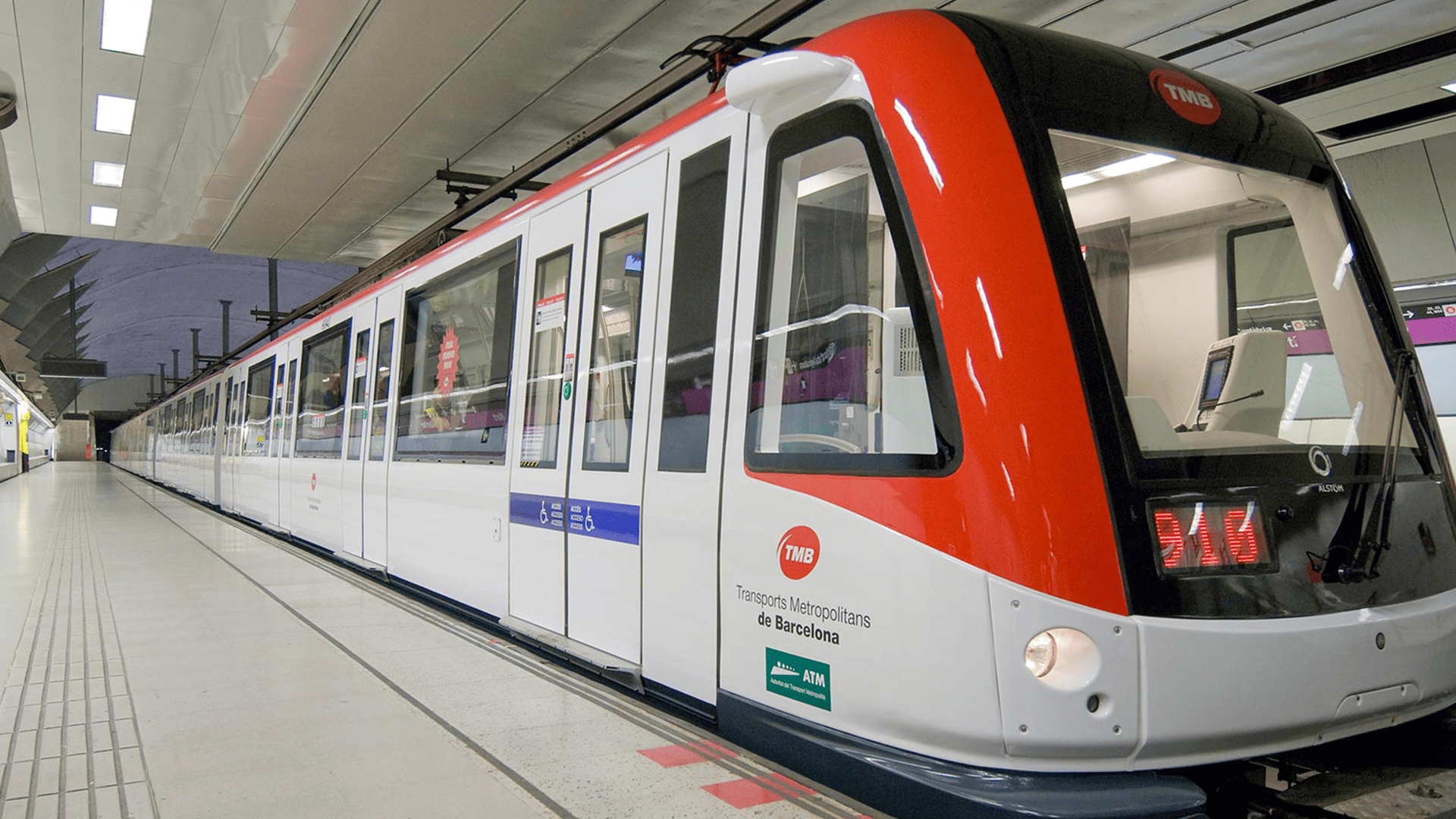
The zone system: the first thing you need to understand
In Barcelona, transport prices depend on the zones you travel through. The good news is that almost everything you’ll care about as an Erasmus student falls within Zone 1, which covers the whole city of Barcelona and the airport.
📌 Tip: if you’re going to live and study in the city, a Zone 1 pass will more than cover your day to day needs.
T-Casual: the most recommended for frequent use
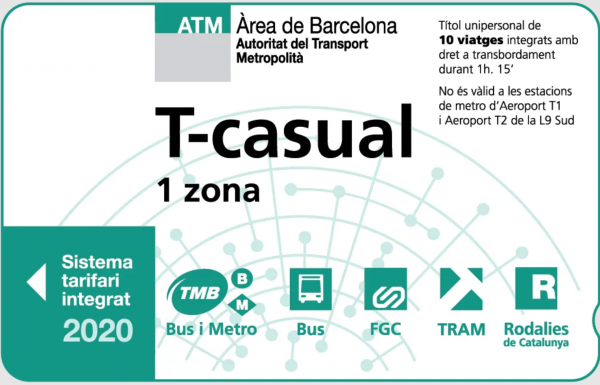
The T-Casual is a personal card that includes 10 trips with transfers, and it’s probably your best bet if you’re moving around the city a fair amount but don’t want to commit to a monthly pass right from day one.
- Zone 1 price: roughly €13 (prices are updated yearly, so double-check before buying).
- Best for: your first days or weeks while you decide whether a monthly pass makes sense for you.
T-Usual: the monthly pass for everyday life
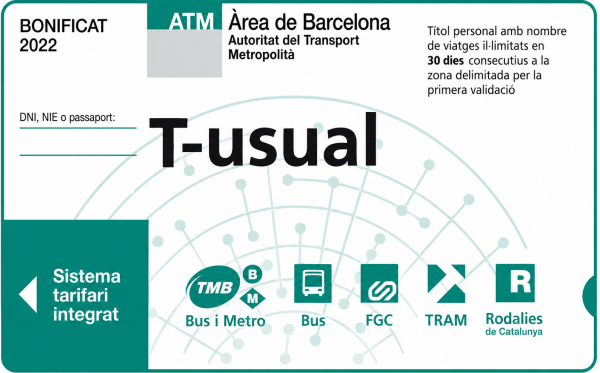
If you’re going to live in Barcelona for the whole semester or academic year, the T-Usual is your best option: unlimited trips for 30 days for a single person.
- Zone 1 price: from roughly €22.80 a month.
- Best for: students taking 18 or more trips a month (which, realistically, you’re going to hit easily between classes, going out, and exploring the city).
T-Familiar: if you’re splitting trips with friends
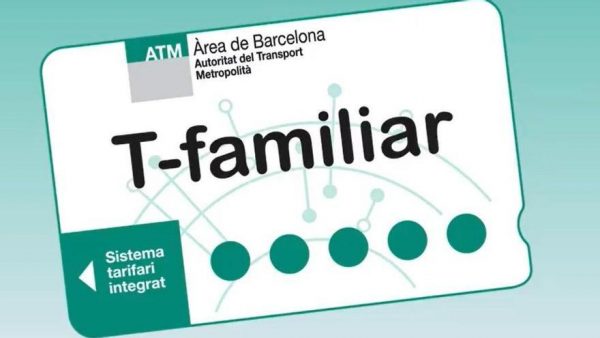
This card includes 8 trips and, unlike the T-Casual, can be used by more than one person at a time (one trip is deducted per person using it). Handy if you’re heading out as a group for a specific occasion, though for individual daily use it’s usually not the most cost effective option.
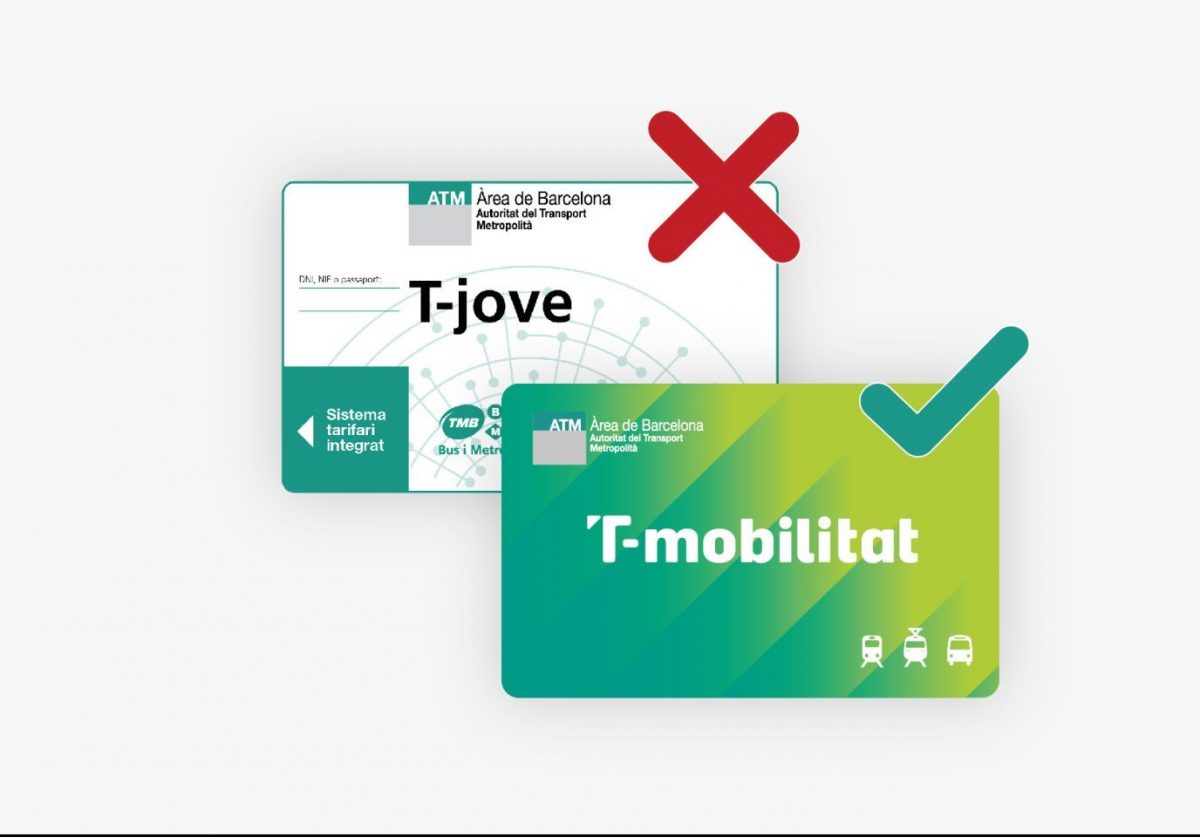
T-jove: The Public Transport Pass for People Under 30
If you’re under 30, the T-jove is one of the best-value transport passes for getting around Barcelona during your Erasmus. It gives you unlimited travel for 90 days from the first validation across the entire integrated public transport network.
It also includes travel to and from Barcelona Airport (T1 and T2) via the L9 Sud metro line, so you won’t need to pay any extra airport supplement.
Who can get it?
The T-jove is available to anyone under the age of 30. To purchase it, you must have the Young Discount Profile activated on your T-mobilitat account, which is automatically available for eligible users.
Price
| Zones | Price |
|---|---|
| 1–7 zones | €45.50 |
How do you use it?
Unlike some other transport tickets, the T-jove is only available through the T-mobilitat system. This means you can’t buy a disposable paper ticket. Instead, you’ll need either:
- A digital T-mobilitat on your NFC enabled smartphone.
- A personal rechargeable T-mobilitat plastic card.
Both options allow you to load and reload your T-jove whenever it expires. The virtual mobile version costs €1, while the personalized plastic card costs €4.50.
Single ticket: only for occasional use
A single ticket costs around €2.90 and only makes sense if you’re taking fewer than 5 trips in total. For any stay longer than a few days, any of the cards above will work out better value.
What about the airport? Watch out for this detail
If you’re taking the L9 Sud metro line to the airport, keep in mind you’ll need a specific ticket (Billet Aeroport, around €5.90), since regular Zone 1 passes don’t cover this line. It is, however, included in the Hola BCN! card and the Barcelona Card, so if you’re planning to use public transport a lot during your first few days, that might be worth it.
Public transport options in Barcelona
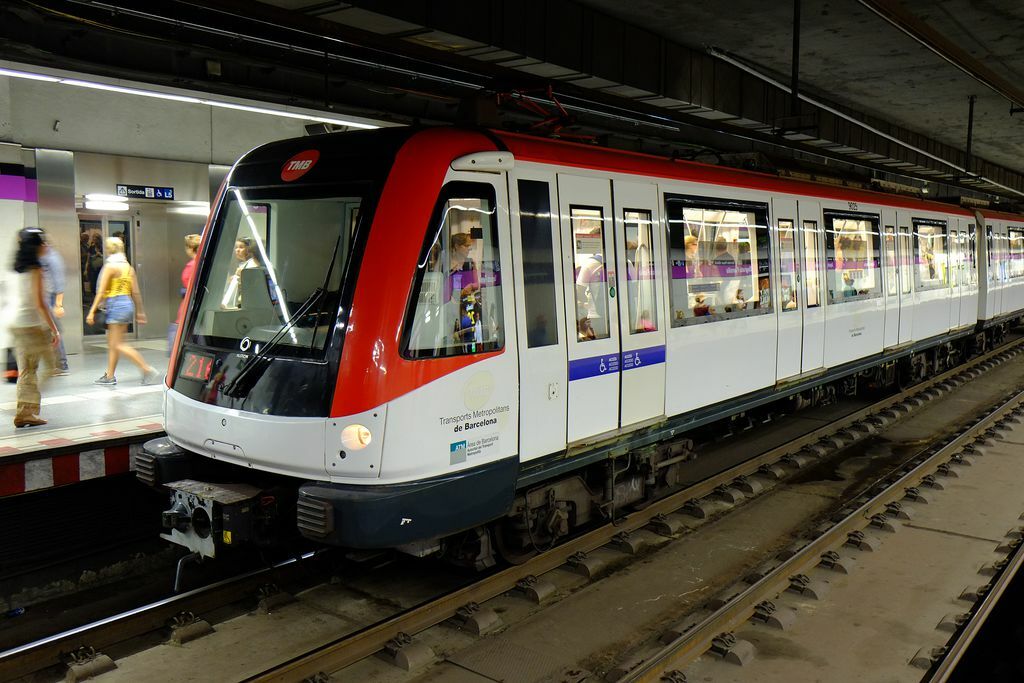
Metro: the fastest way to get around
Barcelona’s metro has 12 lines covering practically the entire city, with clean, air conditioned trains running every 2 to 4 minutes during the day (every 10 minutes at night). Basically, you won’t even need to check a timetable.
Operating hours:
- Monday to Thursday: 5:00 a.m. to 12:00 a.m.
- Fridays and the day before public holidays: 5:00 a.m. to 2:00 a.m.
- Saturdays: non-stop service all night
- Sundays: 5:00 a.m. to 12:00 a.m. (or 11:00 p.m. depending on the source, so check if you’ve got a tight schedule)
📌 Tip: metro direction is indicated by the line’s final stop, not by compass direction. So if you’re heading somewhere new, make sure you know the terminal station for your direction before heading down to the platform.
Bus: full coverage, even at night
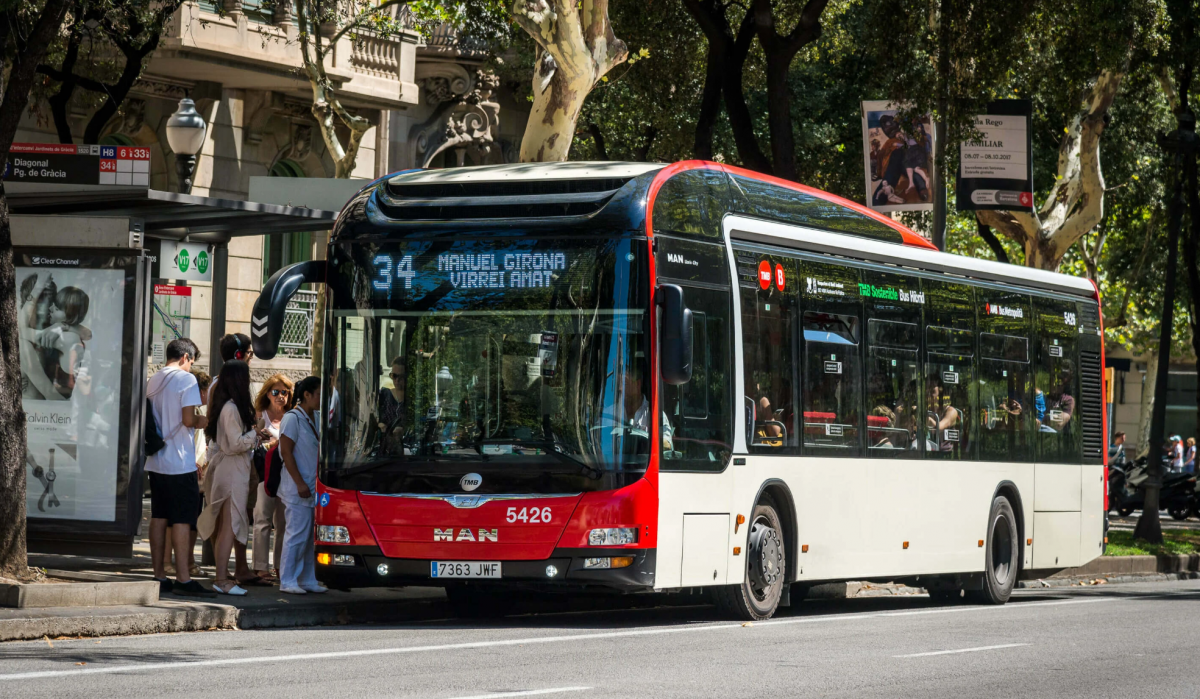
With over 230 daytime lines and another 20 night lines (NitBus), the bus can get you to pretty much any corner of the city, though the system is a fair bit more complex to get your head around than the metro at first. It’s worth noting the exact name of the stop you’re heading to.
Operating hours: generally from 5:00 a.m. to 10:00 p.m., though it varies by line. To get around in the early hours, there are NitBus night buses, running roughly from 10:00 p.m. to 5:00 a.m., most of which stop at Plaça Catalunya, where you can transfer to other night lines.
⚠️ Important: NitBus is run by a private company (AMB), so if you have a Barcelona Card or Hola BCN! ticket, these won’t be valid on night buses.
Tram: only useful in specific areas
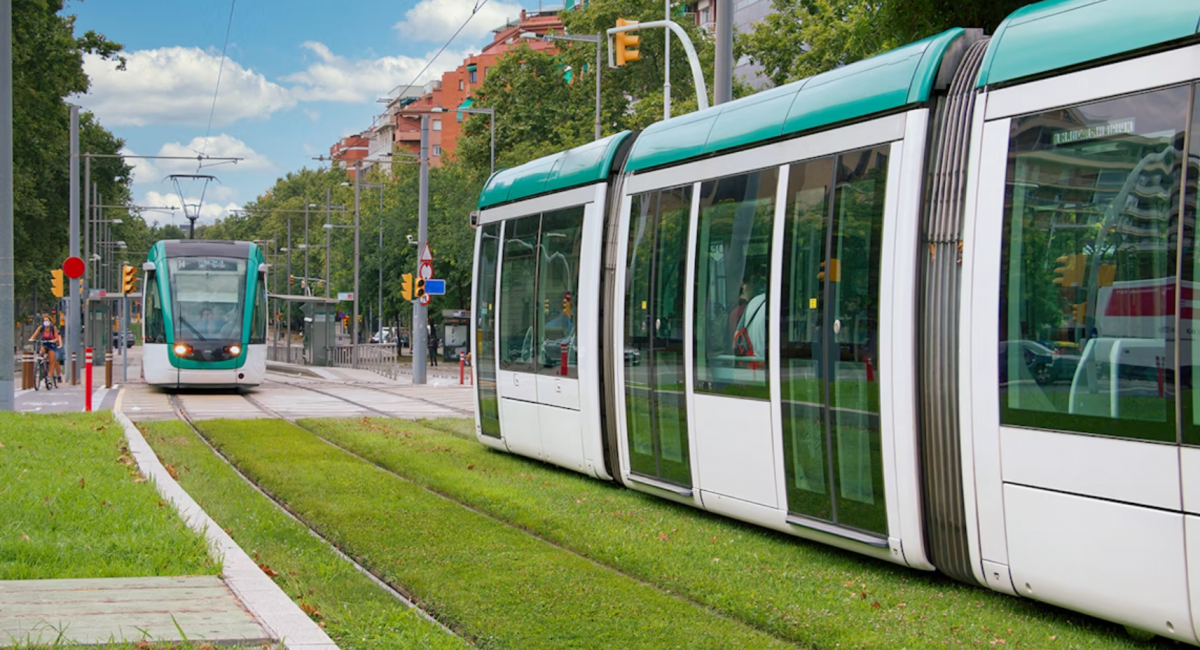
Barcelona has 6 tram lines, split across two separate networks. You won’t see one in the city centre, but it’s a good option if your neighbourhood or campus is in one of the quieter outlying areas.
Operating hours: Monday to Thursday from 5:00 a.m. to 12:00 a.m., with extended hours on Fridays, Saturdays and the day before public holidays.
FGC and Rodalies: for reaching the outskirts (and your university, if applicable)
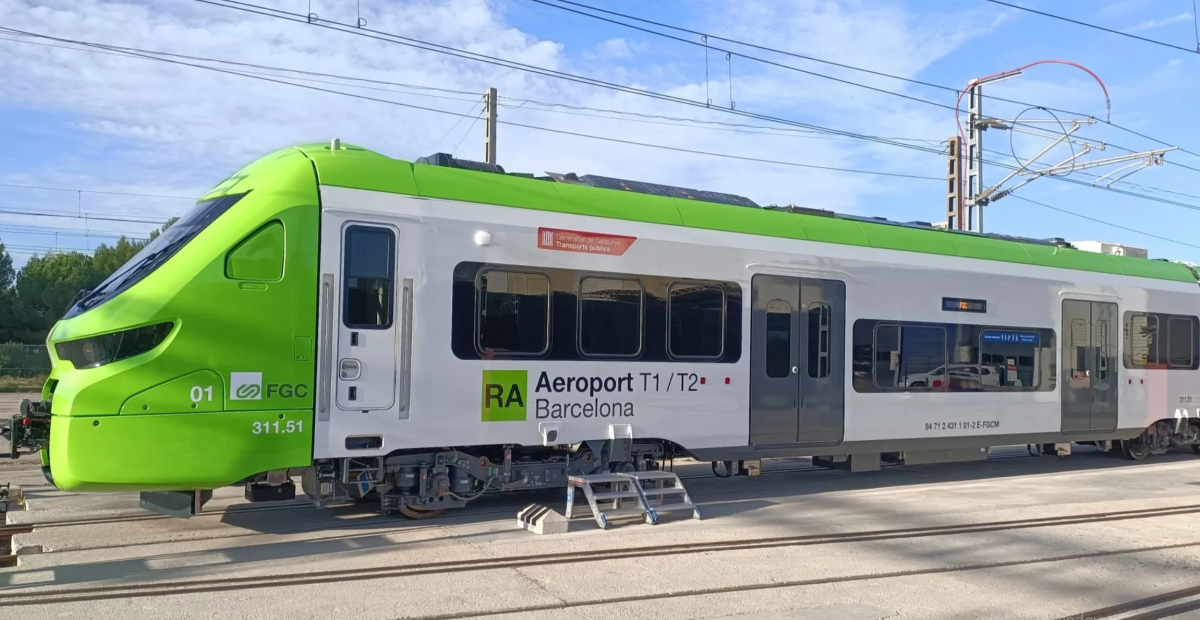
If your campus is outside the centre (for example, the Autònoma in Bellaterra), you’ll rely quite a bit on FGC (Ferrocarrils de la Generalitat de Catalunya) or Rodalies de Catalunya (Renfe) trains. The good news is both are integrated into the same fare system as the metro and bus, so your regular pass works just the same.
These trains also come in handy for weekend getaways: the coast (Castelldefels, Sitges), Montserrat, or even further afield, depending on the zone your ticket covers.
Montjuïc Cable Car and Funicular: more touristy than practical
The cable car connects Barceloneta with the Mirador de Miramar on Montjuïc, at a price quite a bit higher than the rest of public transport (around €12 one way). It’s a fun experience to do once, but not something you’ll be using day to day.
The Funicular de Montjuïc, on the other hand, is included in regular transport tickets, and it’s a convenient, no extra cost way to get up the mountain. You can combine it with the metro (transfer at Paral·lel station, line L3).

Taxi: fast and not as pricey as in other European capitals
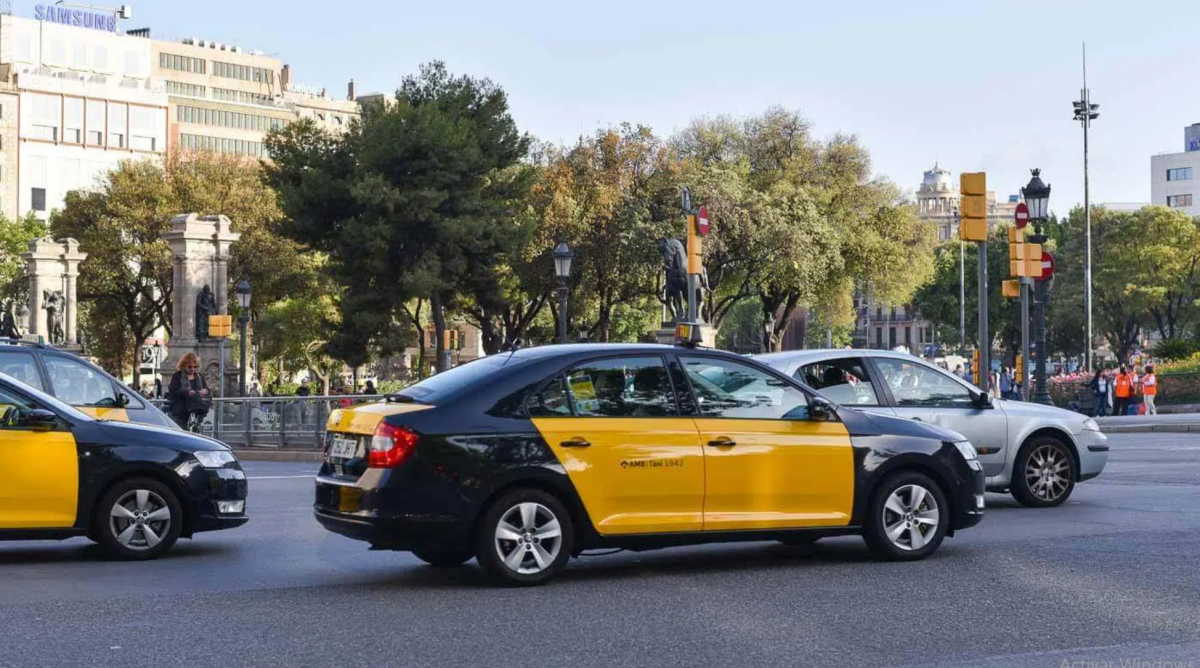
Barcelona taxis are black and yellow, with a green light on the roof when available. There are over 5,700 circulating around the city, so you shouldn’t have trouble finding one.
Indicative 2024 fares:
- Flag drop (daytime rate, T-1): €2.60
- Flag drop (night/weekend rate, T-2): €2.60 with a higher per km rate
- Per km rate: between €1.27 and €1.56 depending on the time slot
- Airport surcharge: an extra €4.50
To book one, you can use apps like FREE NOW, Uber, Radio Taxi 033, or Barcelona’s official app, Picmi.
Bicing: Barcelona’s bike-share system
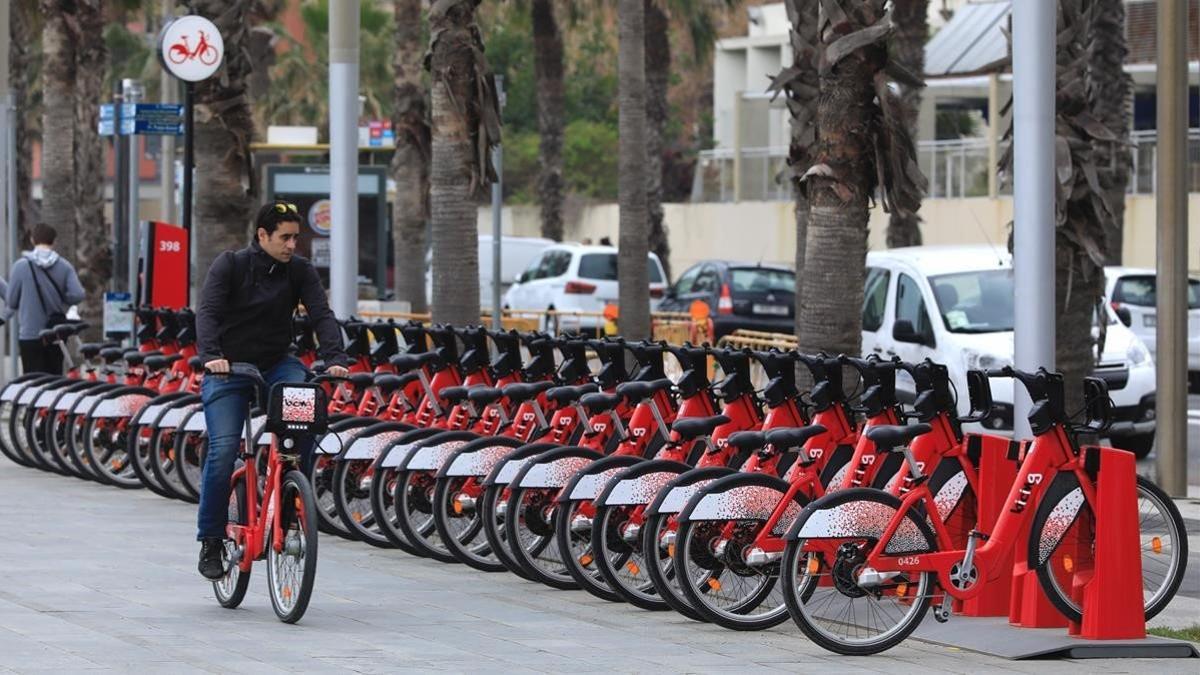
Barcelona’s public bike system has almost 6,000 bikes and 420 stations spread across the city. The annual pass costs around €47 and gives you 30 free minutes per trip (go over that and you start paying extra by the hour). It’s a pretty popular option among students for getting around quickly and cheaply in flatter parts of the city.
Electric scooters: the more modern alternative
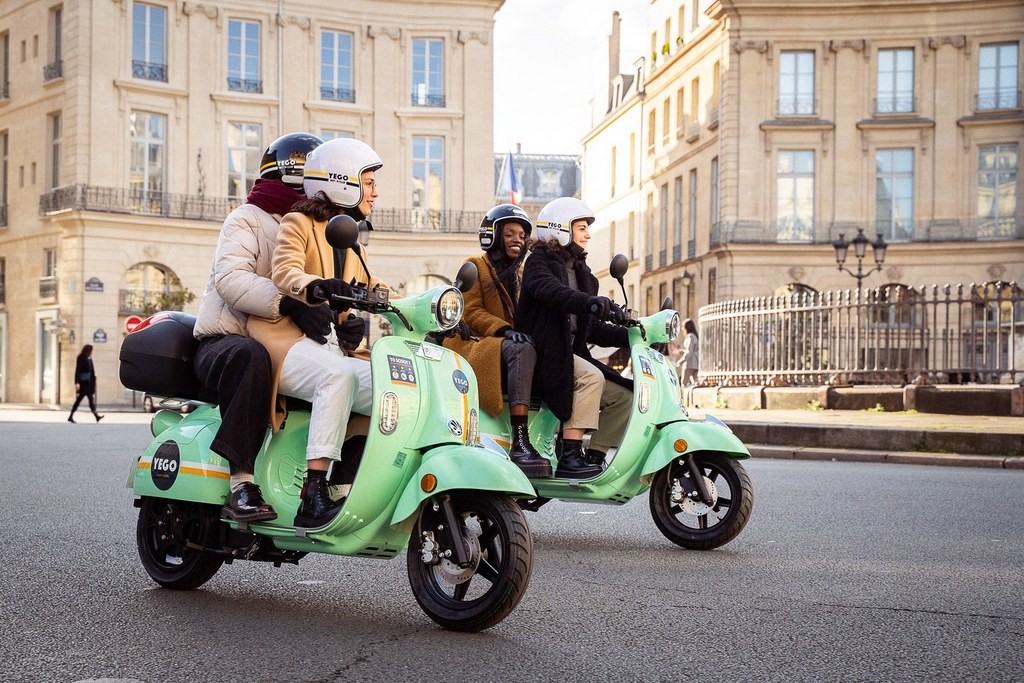
Barcelona has a fairly developed urban mobility ecosystem, with several shared electric scooter companies like YEGO or Cityscoot, priced from around €0.20-0.28 per minute. If you have a licence (or already hold one), it’s a fast option that’s fairly popular among students who’d rather not rely on public transport.
Tourist passes: are they worth it if you’ve just arrived?
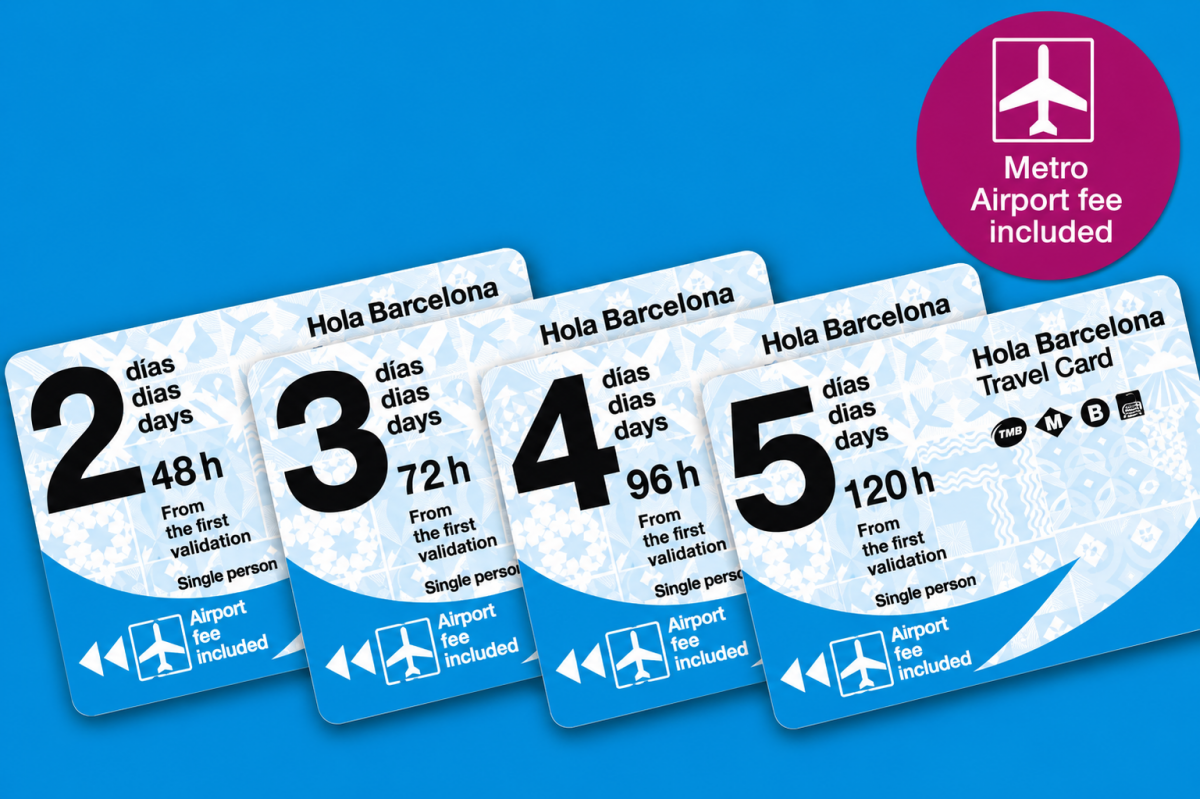
Hola BCN!
Valid for 2 to 5 days with unlimited trips, and includes the airport line. From around €18.70. Could be worth it for your first few days in the city while you’re getting the flat and paperwork sorted.
Barcelona Card
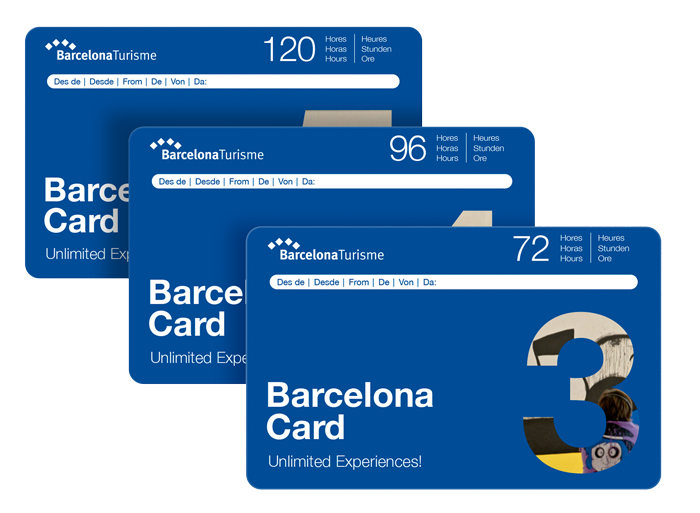
On top of unlimited transport, it includes free entry to over 25 museums and discounts at another 90 attractions. From around €59, but it only really makes sense if you’re planning a lot of sightseeing in a short time (for everyday student use, it’s not the most cost effective option).
Tips for getting around Barcelona like a local
- Avoid rush hour if you can: the metro gets pretty packed between 8:00-9:30 a.m. and 6:00-8:00 p.m.
- Use Bicing for short trips: for distances under 20-25 minutes, it’s often faster than waiting for the metro or bus.
- Save an offline metro map: it’s the quickest way to find your way around the city, and with 12 lines, it can feel a bit overwhelming at first.
- Sundays and public holidays have different hours: always check the day’s schedule before planning a late-night trip home.
- If you’re heading to the airport by metro, don’t forget the extra ticket: it’s one of the most common slip-ups among people who’ve just arrived in the city.