And here you have a huge advantage over a weekend tourist: you’ll have months (not days) to explore every corner at your own pace, go back to your favourite spots as many times as you like, and find those places only people who actually live in the city know about. Here are the 22 places to see in Zaragoza that should be on your list during your Erasmus year.
1. Basílica del Pilar
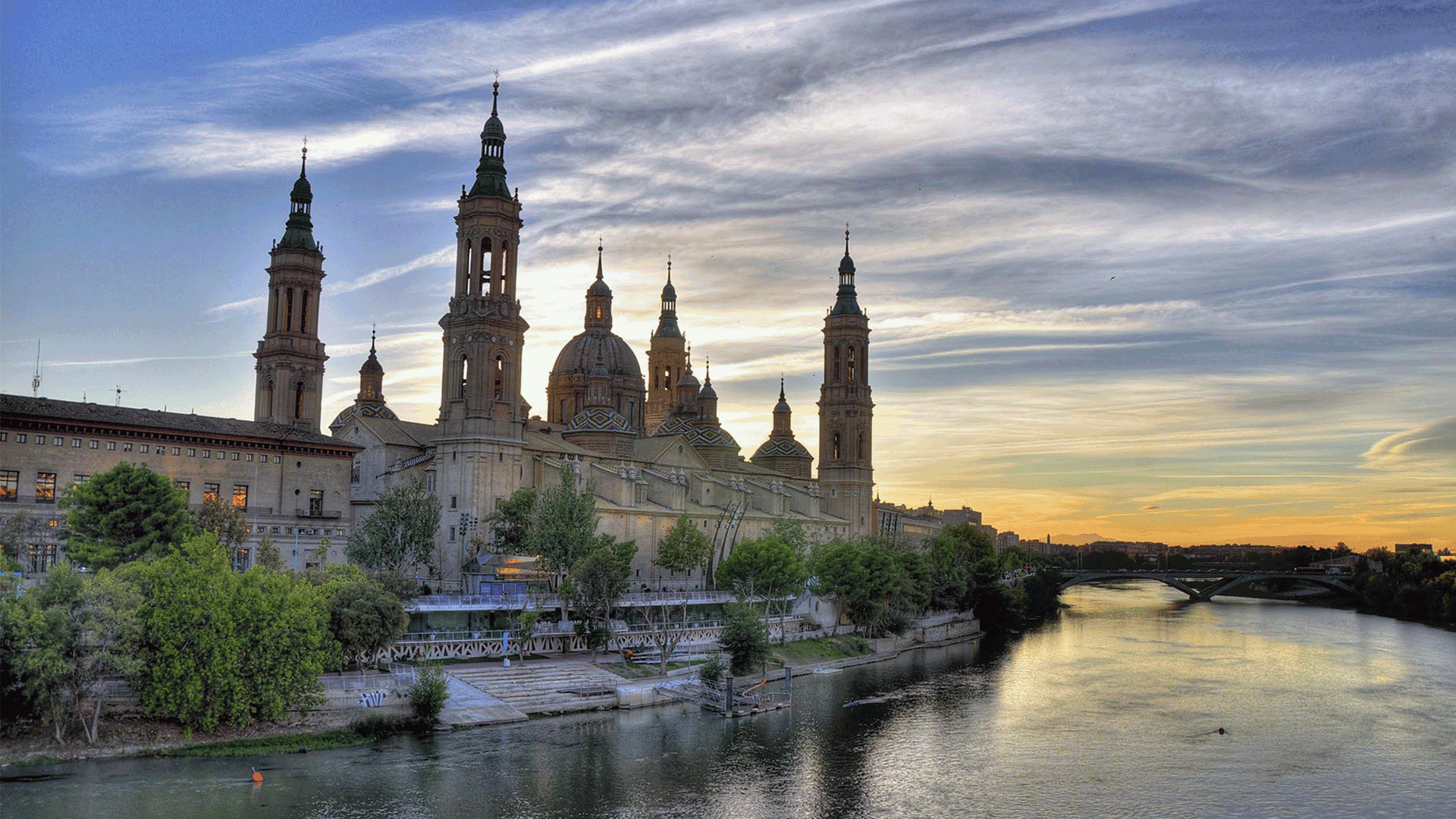
The big must-see, and for good reason: the Basílica de Nuestra Señora del Pilar is the first Marian church of Christianity and the city’s most iconic landmark, with up to eleven glazed, coloured tile domes that make it recognisable from anywhere in Zaragoza. Inside you’ll find the Main Altar Retable, two fresco paintings by Goya, and the Santa Capilla, home to the carved image of the Virgin. Entry to the church itself is free, so there’s no excuse not to go back more than once during your stay.
2. Torre del Pilar
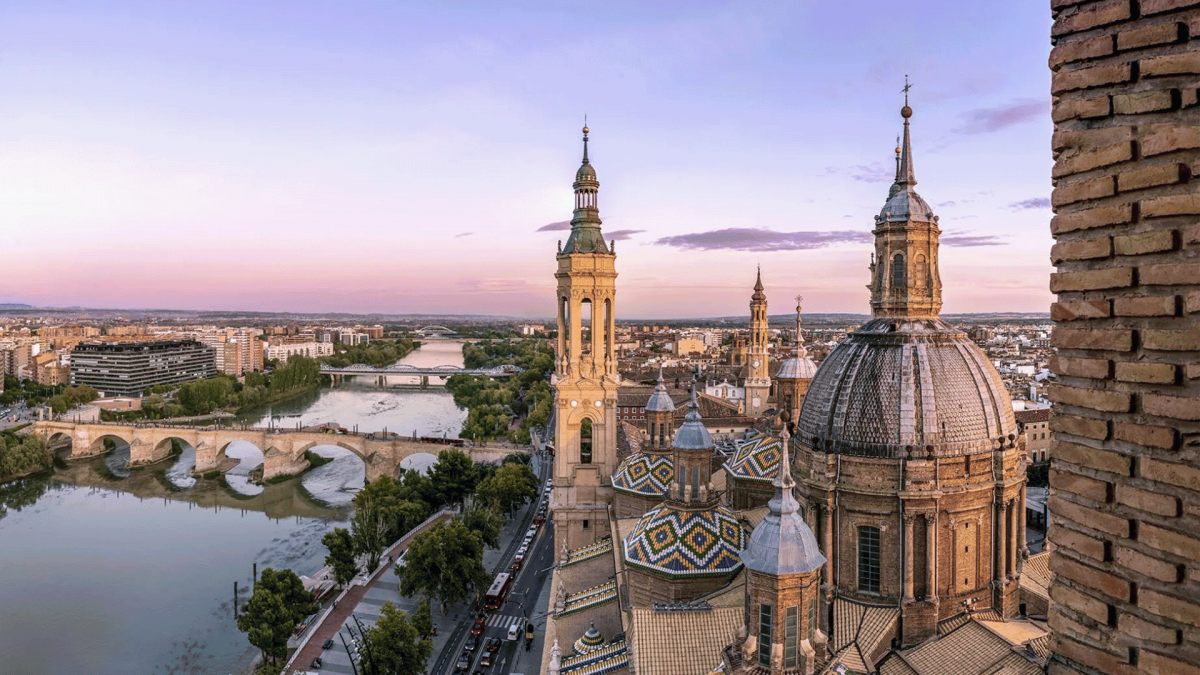
Within the basilica itself, take the lift up the tower for one of the best panoramic views in the city: the basilica’s domes, the Ebro River and the historic quarter laid out beneath you. For a few extra euros you can get a combined ticket with La Seo, well worth it if you’re planning to visit both churches.
3. Plaza del Pilar
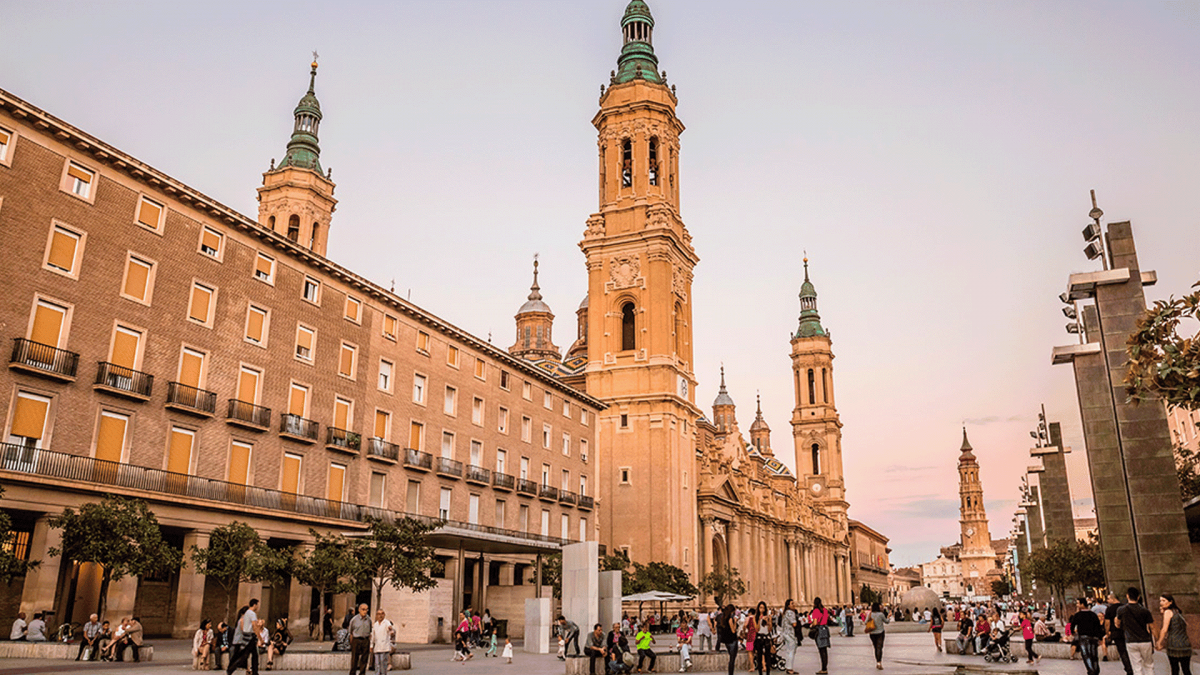
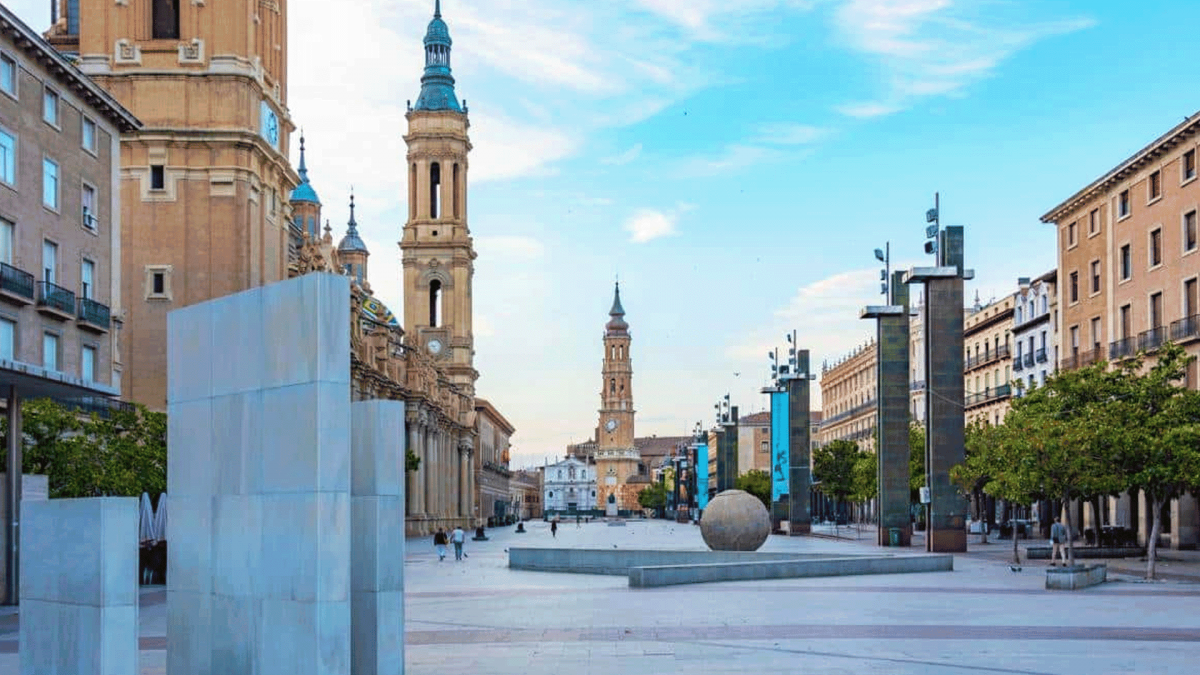
At the foot of the basilica, this pedestrian square (one of the longest in Spain) is the ultimate meeting point for students, locals and tourists alike. Here you’ll find terraces for a drink, the Iglesia de San Juan de los Panetes, La Lonja and the Town Hall (both Renaissance), plus the monument to Goya and the Fuente de la Hispanidad, whose map of the Americas is only really visible from the top of the Torre del Pilar.
4. Roman Walls
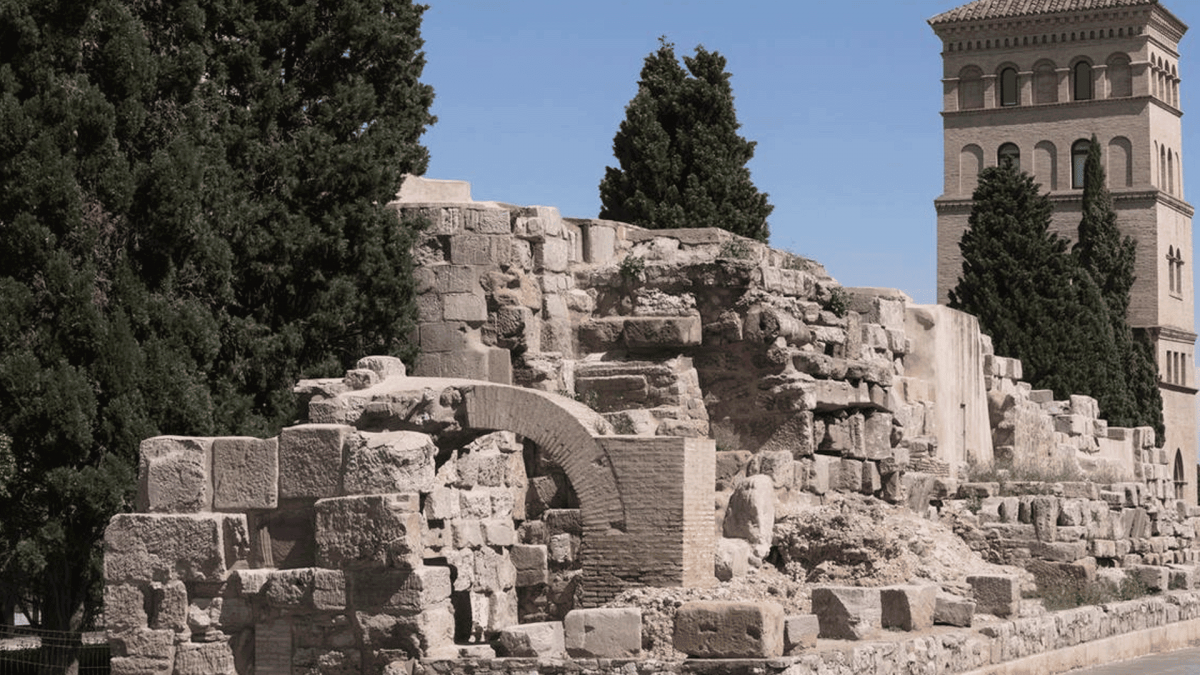
Just off Plaza del Pilar, in Plaza de César Augusto, you’ll find an 80 metre stretch of the old Roman city wall, built in the 1st century under Tiberius. Right next to it stands the Torreón de la Zuda, now the Tourist Office, with a free viewpoint well worth climbing up to.
5. Catedral del Salvador (La Seo)
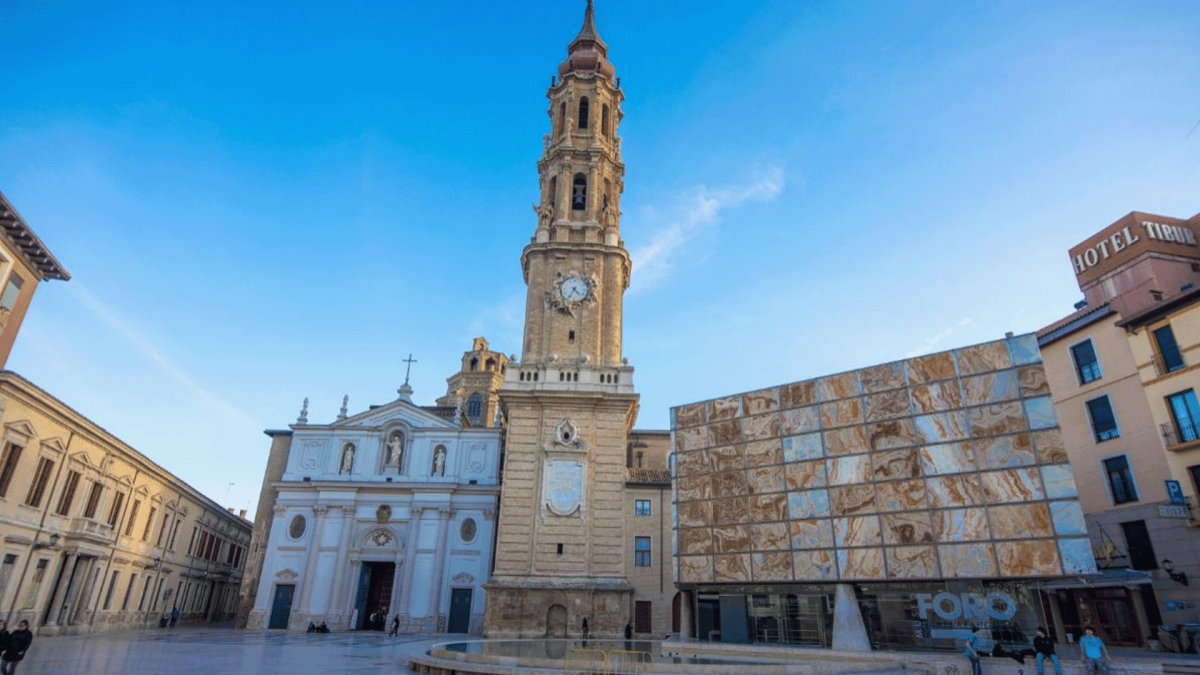
At the other end of Plaza del Pilar, this cathedral blends Gothic, Mudéjar, Renaissance, Baroque and Neoclassical styles, built over the old Roman forum and a mosque. Inside, don’t miss the Gothic main altarpiece or the Tapestry Museum, home to one of the finest collections of Flemish tapestries in the world.
6. El Tubo
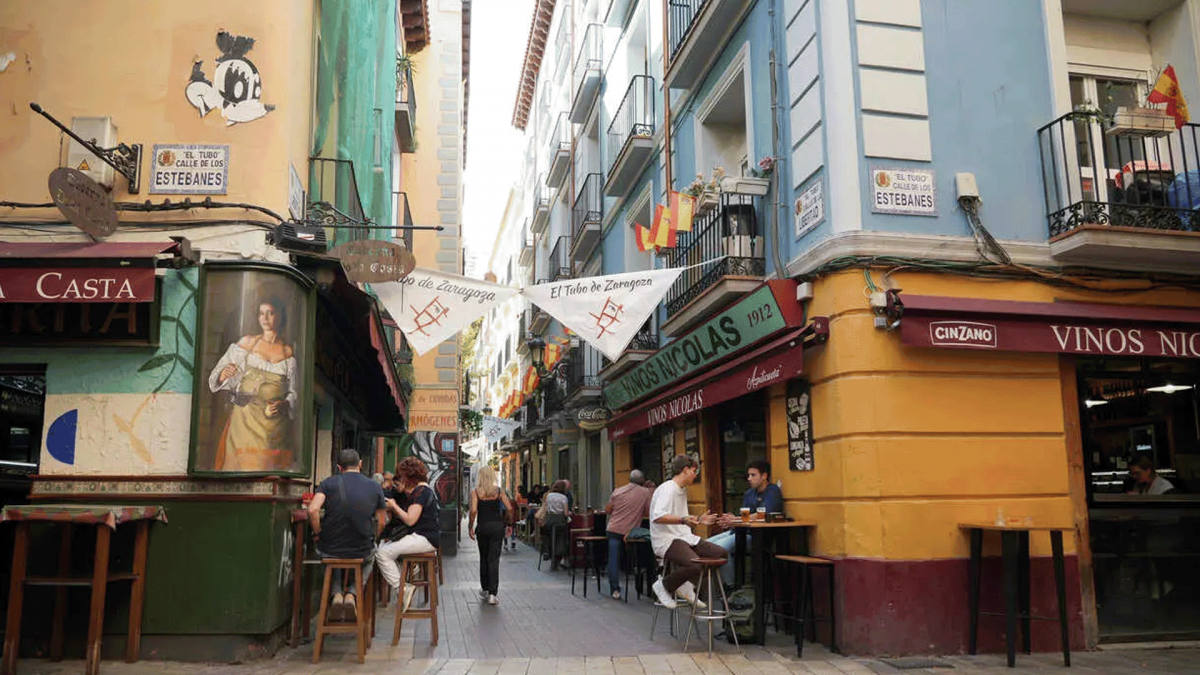
If there’s one plan you’ll end up repeating constantly during your Erasmus, it’s this one. El Tubo is the maze of narrow streets in the historic centre where the city’s best tapas crawl happens: mushrooms, cod pinchos, croquettes, anchovies… An absolute classic among students, whether for early evening tapas or to kick off a night out.
7. Casco Antiguo (Old Town)
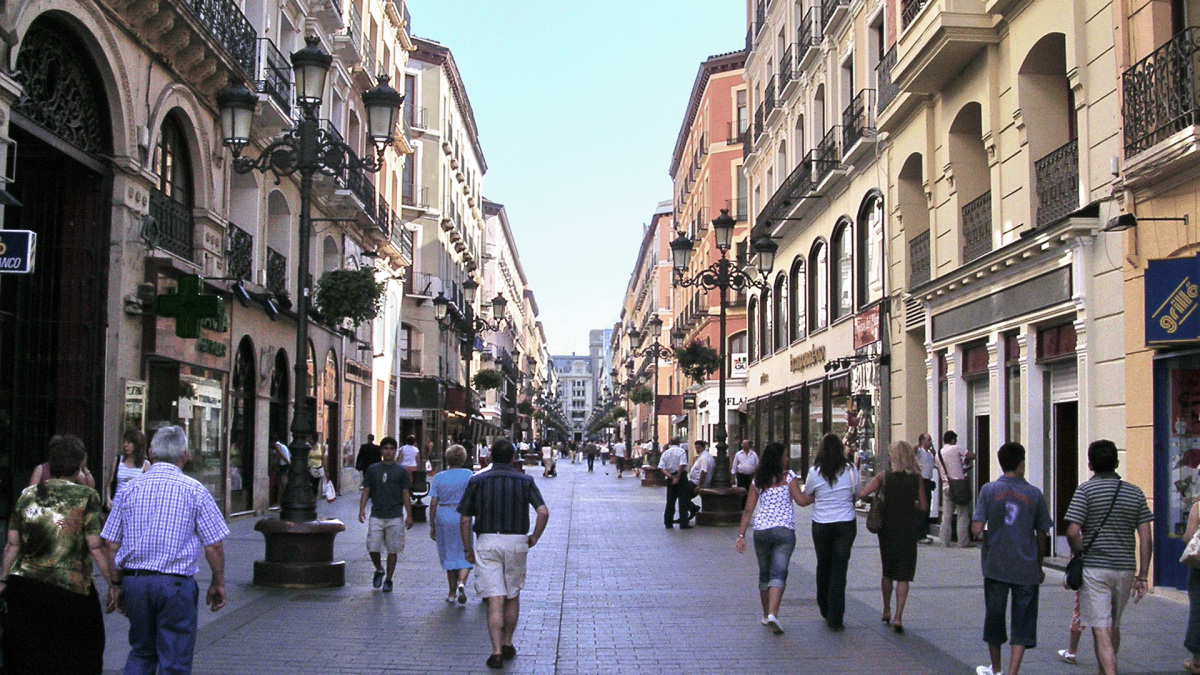
Walking through the old town is one of the best ways to get to know Zaragoza. Start on Calle Diego Dormer, pass through Plaza de Santa Marta (with bars like Los Victorinos or Lince), continue along the commercial Calle Mayor, and reach Calle Alfonso I, the prettiest street in the city, with spectacular views of the Basílica del Pilar. Finish at Plaza de San Felipe or Plaza del Justicia, surrounded by Renaissance palaces.
8. Museo de Goya
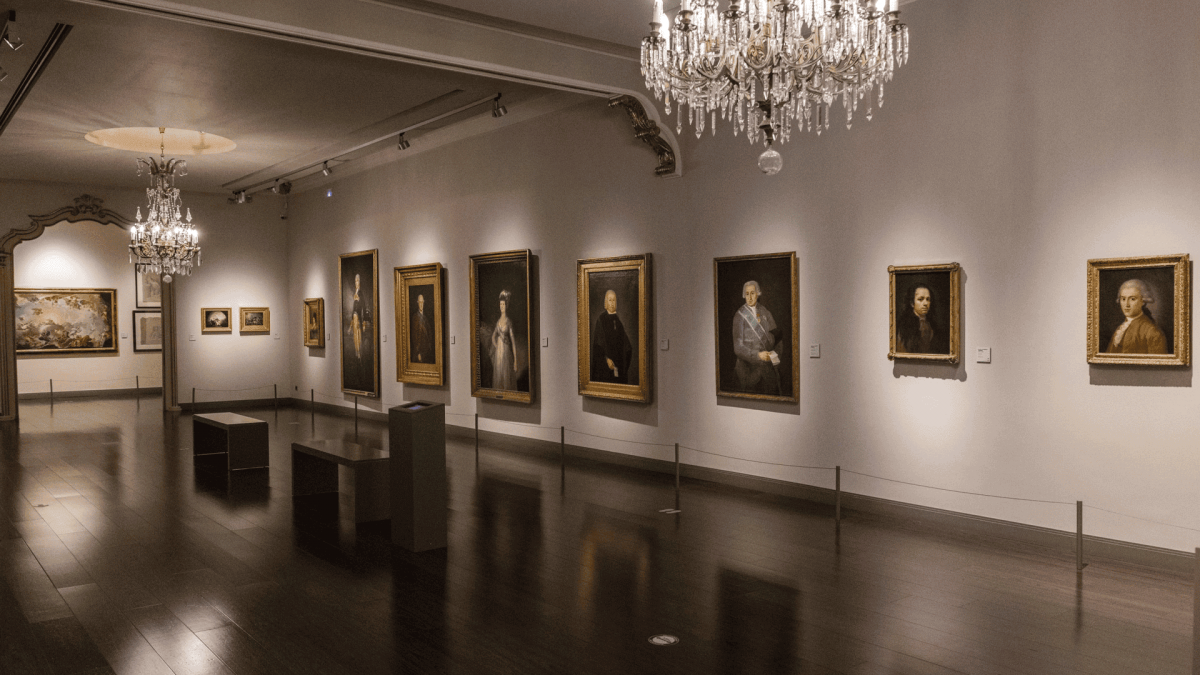
Housed in a former Renaissance mansion, this museum traces the life and work of Aragón’s most famous painter, with a collection of engravings spanning from 1778 to 1825. It’s actually the only place in the world exhibiting his complete collection of engravings, including the groundbreaking Disasters of War series.
9. Palacio de la Aljafería
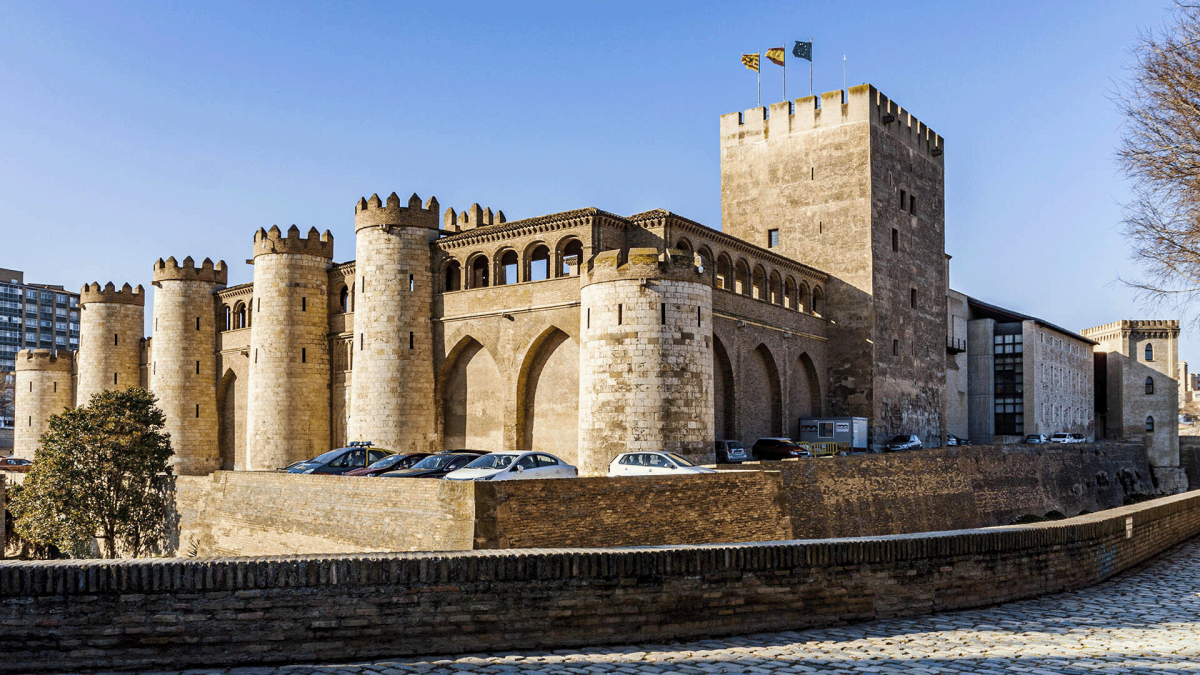
Known as the «little Alhambra,» this gem of Islamic architecture was built in the 11th century and today houses Aragón’s regional Parliament. Inside you’ll find horseshoe arches, the Torre del Trovador, the Salón Dorado and the Patio de Santa Isabel. Student tip: entry is free on Sundays, though you’ll be sharing the visit with more people.
10. Caesaraugusta Roman Route
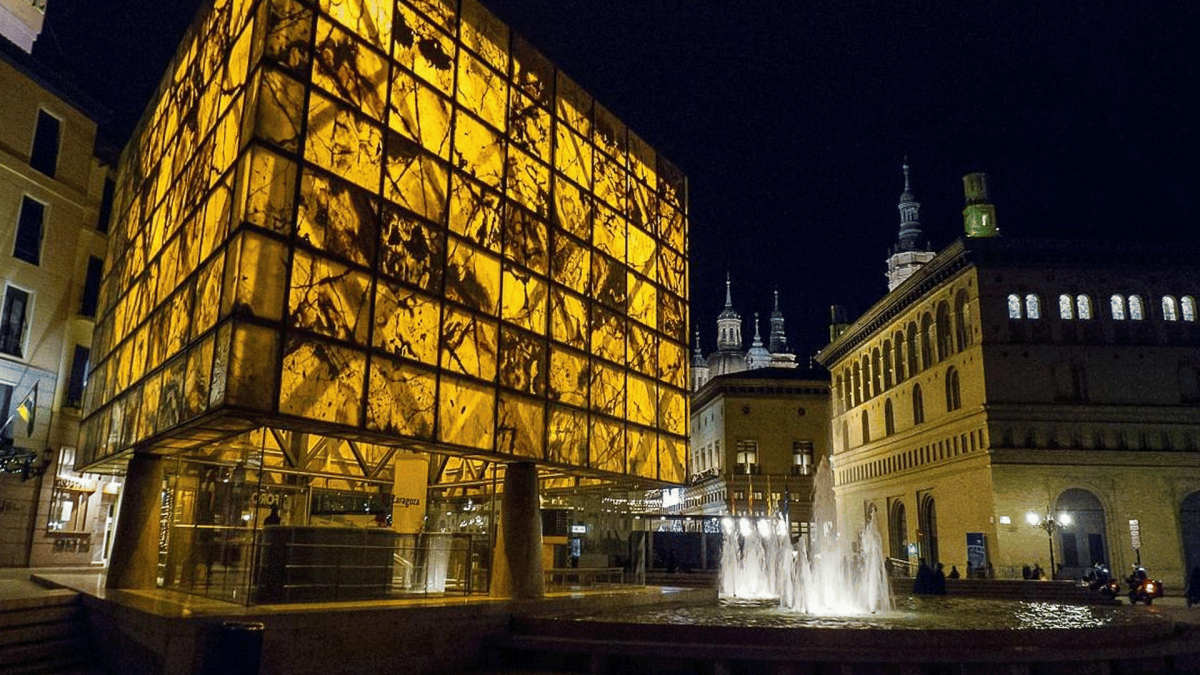
Beneath the historic centre lies Caesaraugusta, the ancient Roman city founded by Emperor Augustus. The full route includes the Museo del Foro (with a 15-minute audiovisual, a great introduction), the Museo del Puerto Fluvial, the Museo de las Termas Públicas, and the Museo del Teatro, with seating for 6,000 spectators dating back to the 1st century AD. There’s a combined ticket for all four museums that’s well worth it if you visit at least two
 .
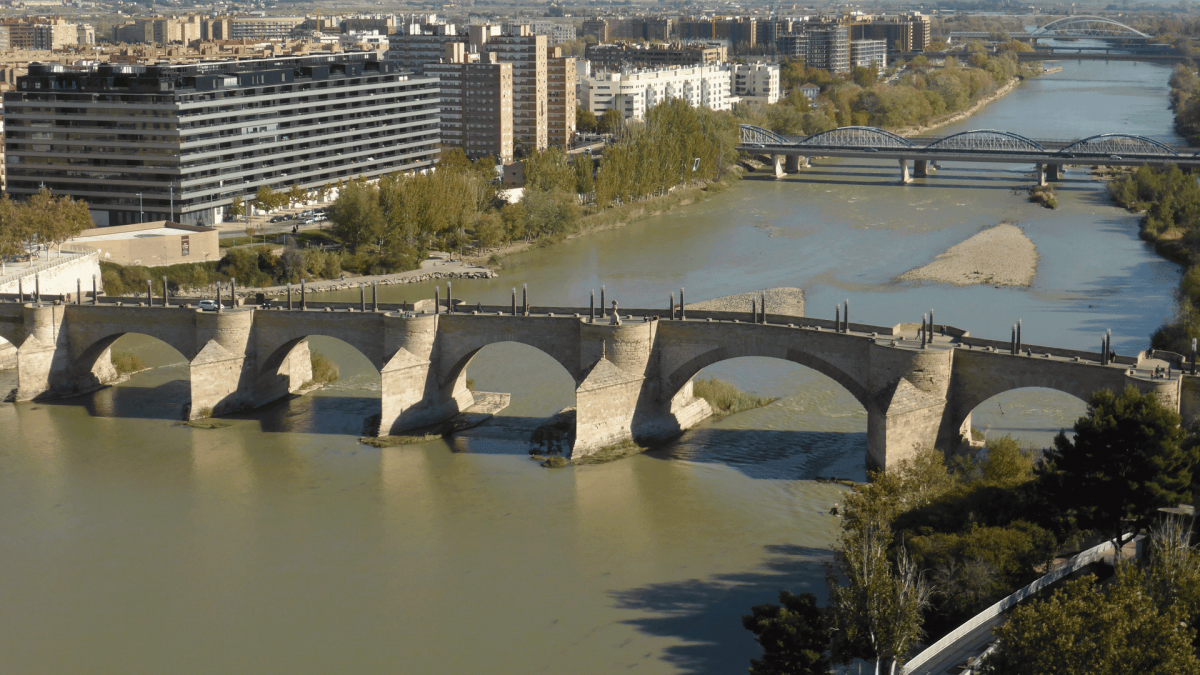
11. Puente de Piedra
One of the best free plans in the city: watching the sunset from this stone bridge dating back to the 15th century, connecting the historic centre with the Arrabal neighbourhood. At its midpoint stands the Cruz de Basilio, and the view of the Basílica del Pilar alongside the Ebro from here is pure postcard material, both by day and by night.
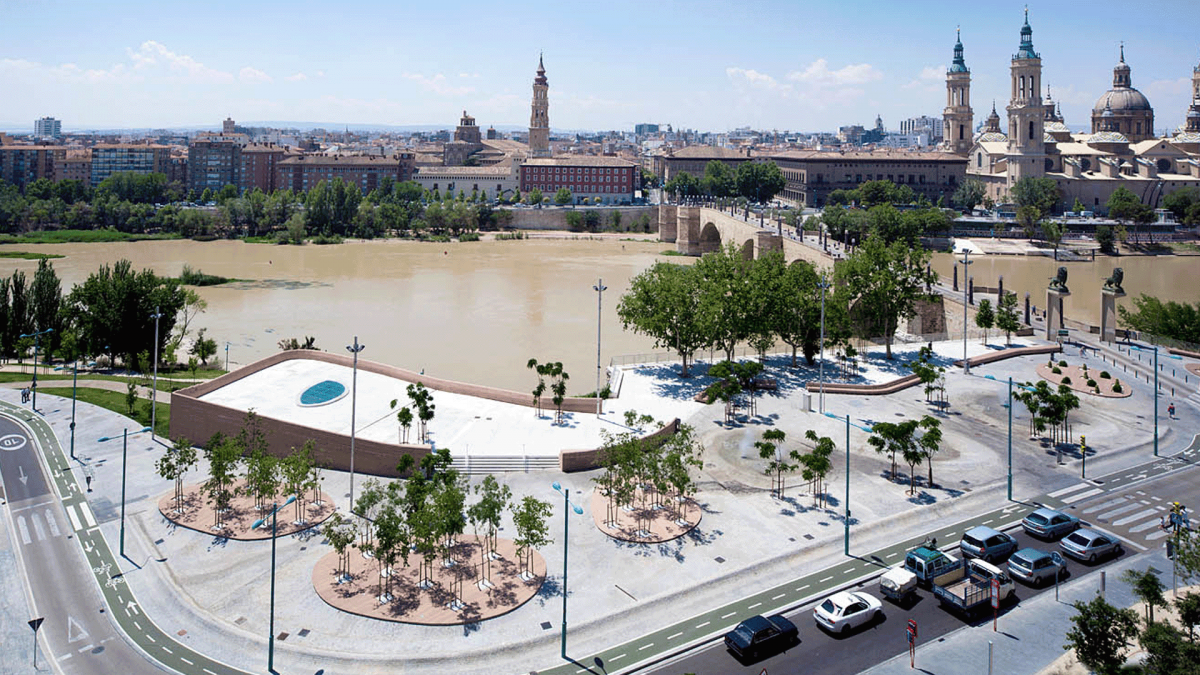
12. Balcón de San Lázaro
Crossing the Puente de Piedra to the other side of the Ebro, this viewpoint gives you a different (and less crowded) perspective of the basilica lighting up as night falls. While you’re there, check out the Pozo de San Lázaro, which according to local legend has no bottom.
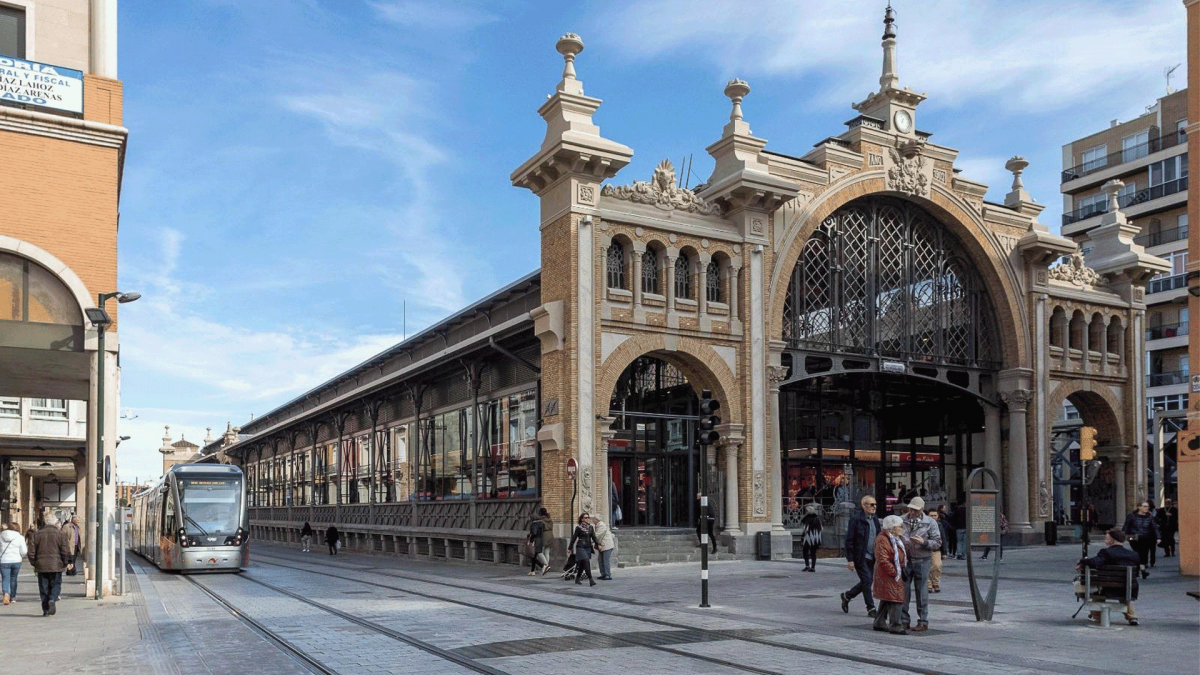
13. Mercado Central
Designed in 1895 by Aragonese architect Félix Navarro, inspired by Les Halles in Paris, this iron and glass building houses 74 stalls of fresh produce. You don’t need to buy anything to enjoy walking through it, though if you’re hungry, it’s a great stop to pick up some snacks.
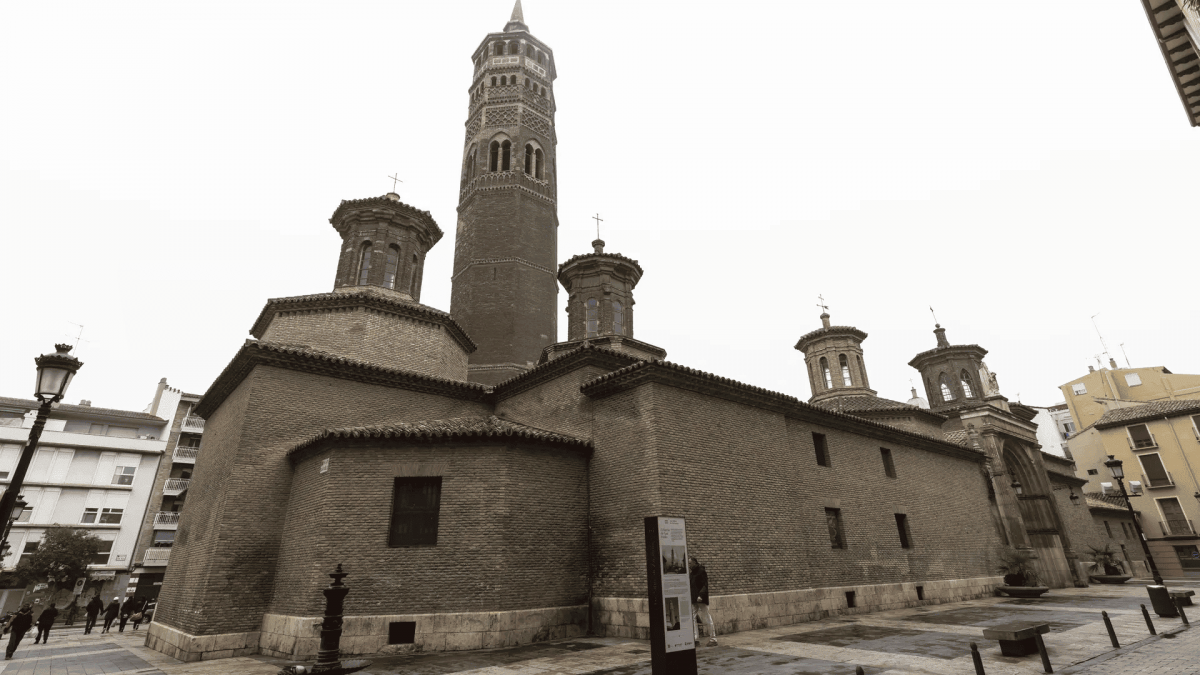
14. Iglesia de San Pablo
Known as Zaragoza’s «third cathedral» and a UNESCO World Heritage Site, this gem of Aragonese Mudéjar architecture stands out for its octagonal bell tower, 66 metres tall. It’s located in the San Pablo neighbourhood (popularly known as El Gancho), one of the areas with the most history in the city.
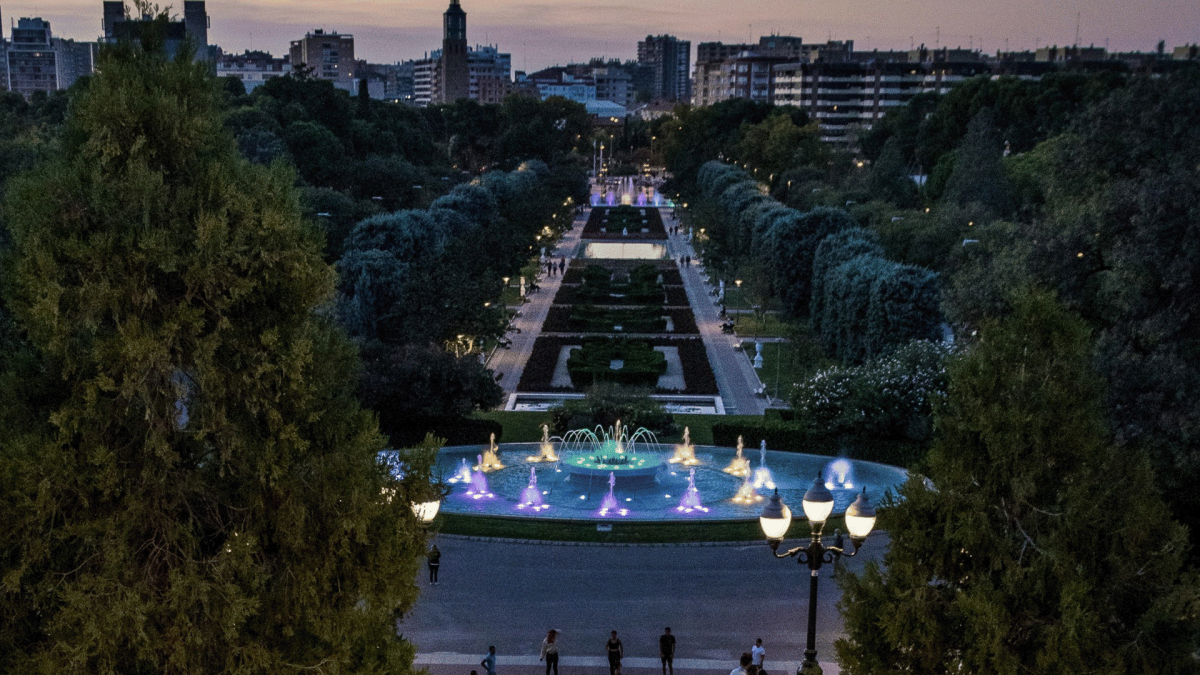
15. Parque Grande José Antonio Labordeta
The city’s biggest green lung, named after the Zaragoza-born writer and politician. Its Versailles inspired gardens, the Glorieta de la Princesa, the Botanical Garden and its pine groves make it the perfect spot to unwind between exams or get some exercise outdoors.
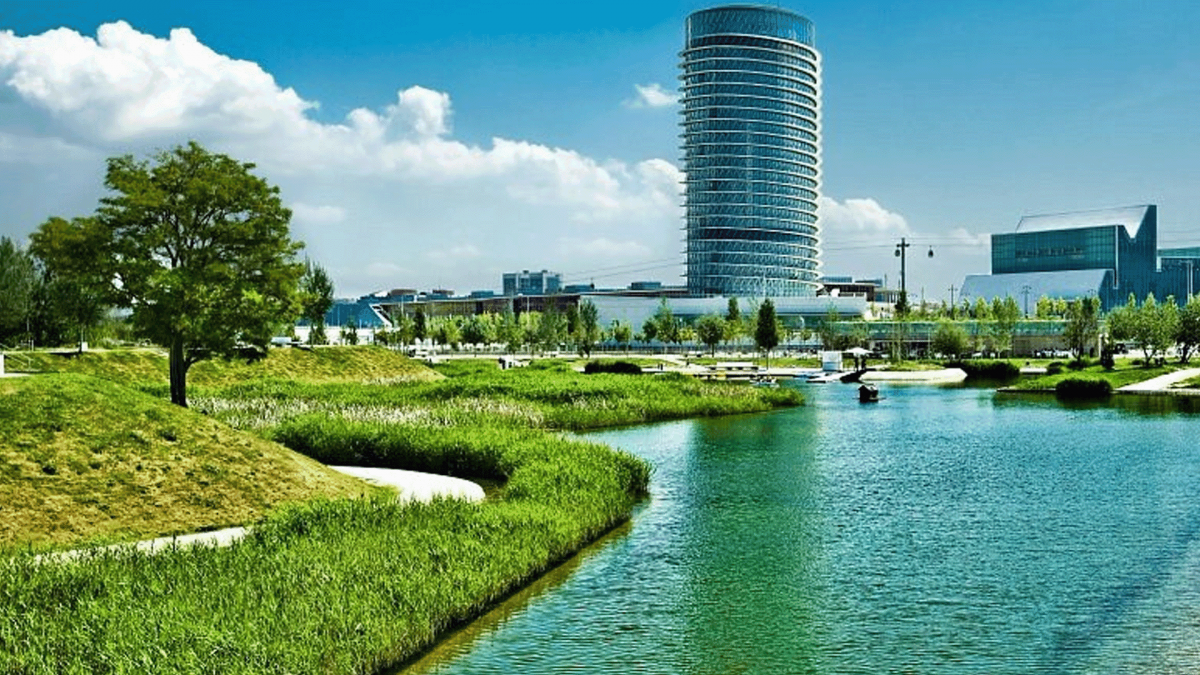
16. Parque del Agua Luis Buñuel
The largest urban park in the city, next to the former Expo 2008 site. Here you can walk, do sports, try rafting or kayaking, or simply cool off at its river beach during the hotter months. The «Alma del Ebro» sculpture is one of the most photogenic spots in the area.
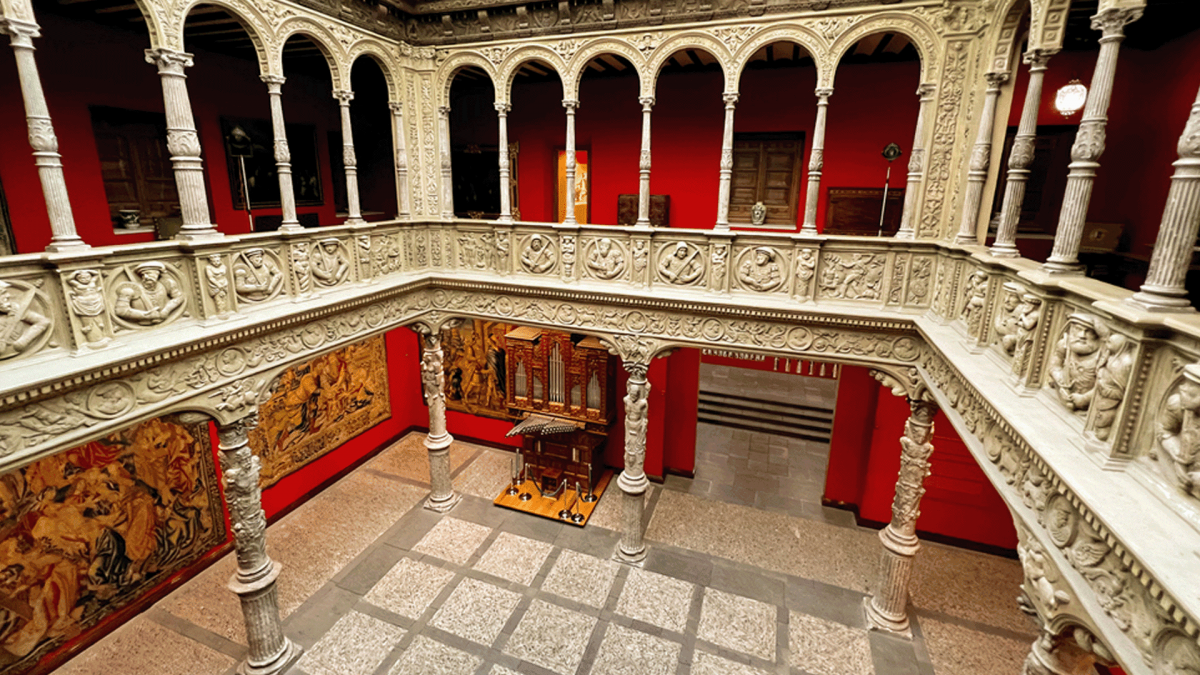
17. Patio de la Infanta
A corner many tourists walk right past: this Renaissance courtyard, located inside Ibercaja’s headquarters at Plaza Paraíso, once belonged to the palace of an important Jewish banker in the 16th century. It’s decorated with eight Flemish tapestries dating from the 15th to 17th centuries. Free entry and very few crowds, ideal if you’re after something different.
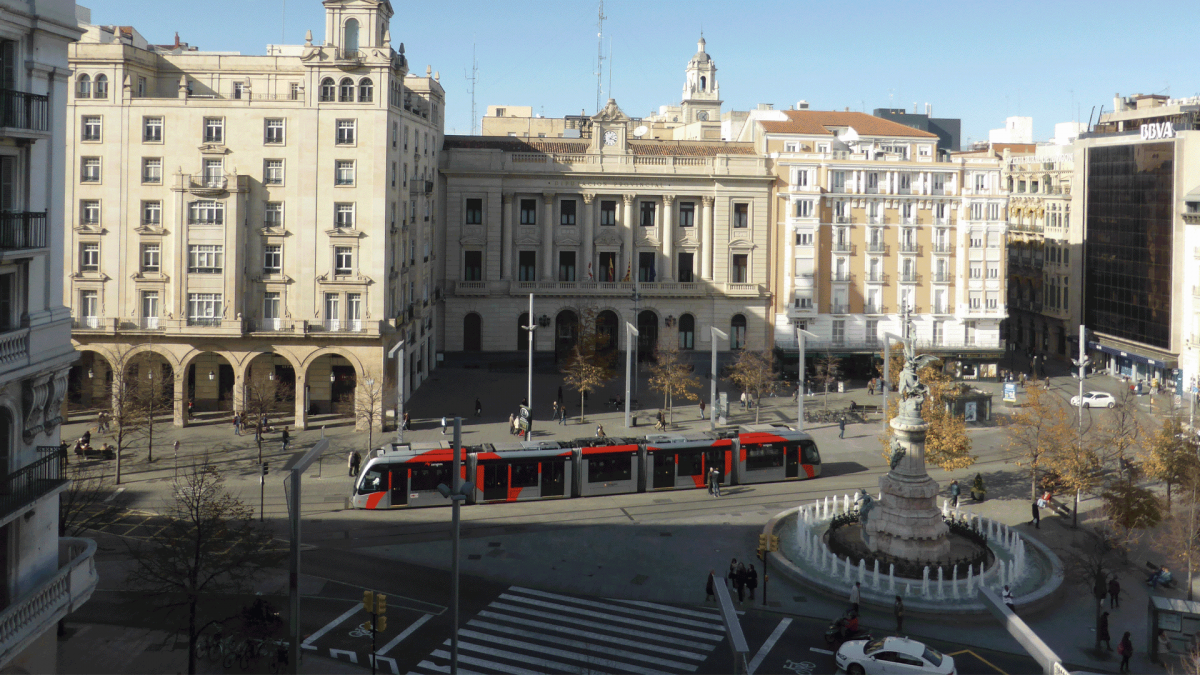
18. Plaza de España and Paseo de la Independencia
The commercial and social hub of the modern city. From here runs Paseo de la Independencia, one of Zaragoza’s main streets, ending at Plaza de Aragón. Along the way, take a detour to Plaza de los Sitios, surrounded by buildings that were part of the 1908 Spanish French Exhibition.
19. Puerta del Carmen
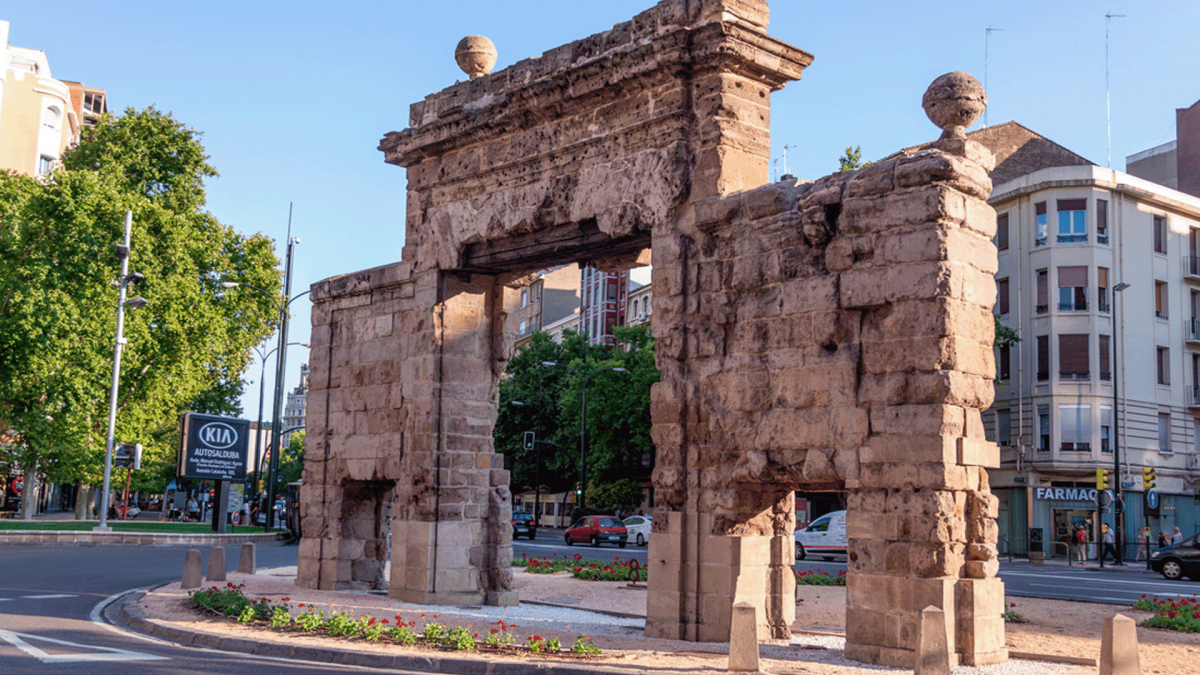
The only surviving gate out of the twelve that once formed Zaragoza’s old city wall. This Neoclassical arch from the 18th century, with the air of a Roman triumphal arch, played a key role during the Peninsular War. It’s just a few minutes from Plaza de Aragón, so you can easily combine it with the previous stop.
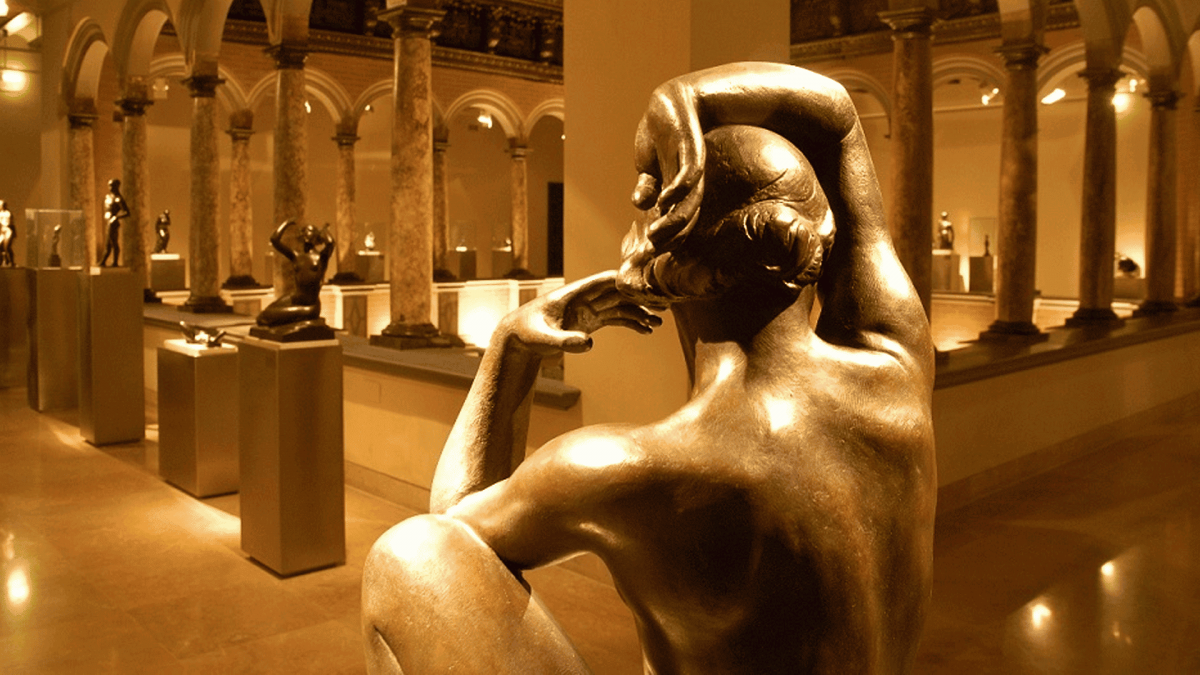
20. Museo Pablo Gargallo
Located in the Palacio de Argillo, on Plaza de San Felipe, this museum brings together over 170 works by Aragonese sculptor Pablo Gargallo, considered one of the most innovative artists of the 20th century. His sculptures for Barcelona’s 1929 Olympic Stadium are among his best-known pieces.