Here you have a huge advantage over a passing tourist: you’ll have months (not days) to explore every corner at your own pace, go back to your favourite viewpoint as many times as you like, and find those spots only people who actually live in the city know about. Here are the 25 places to see in Granada that should be on your list during your Erasmus year.
1. The Alhambra
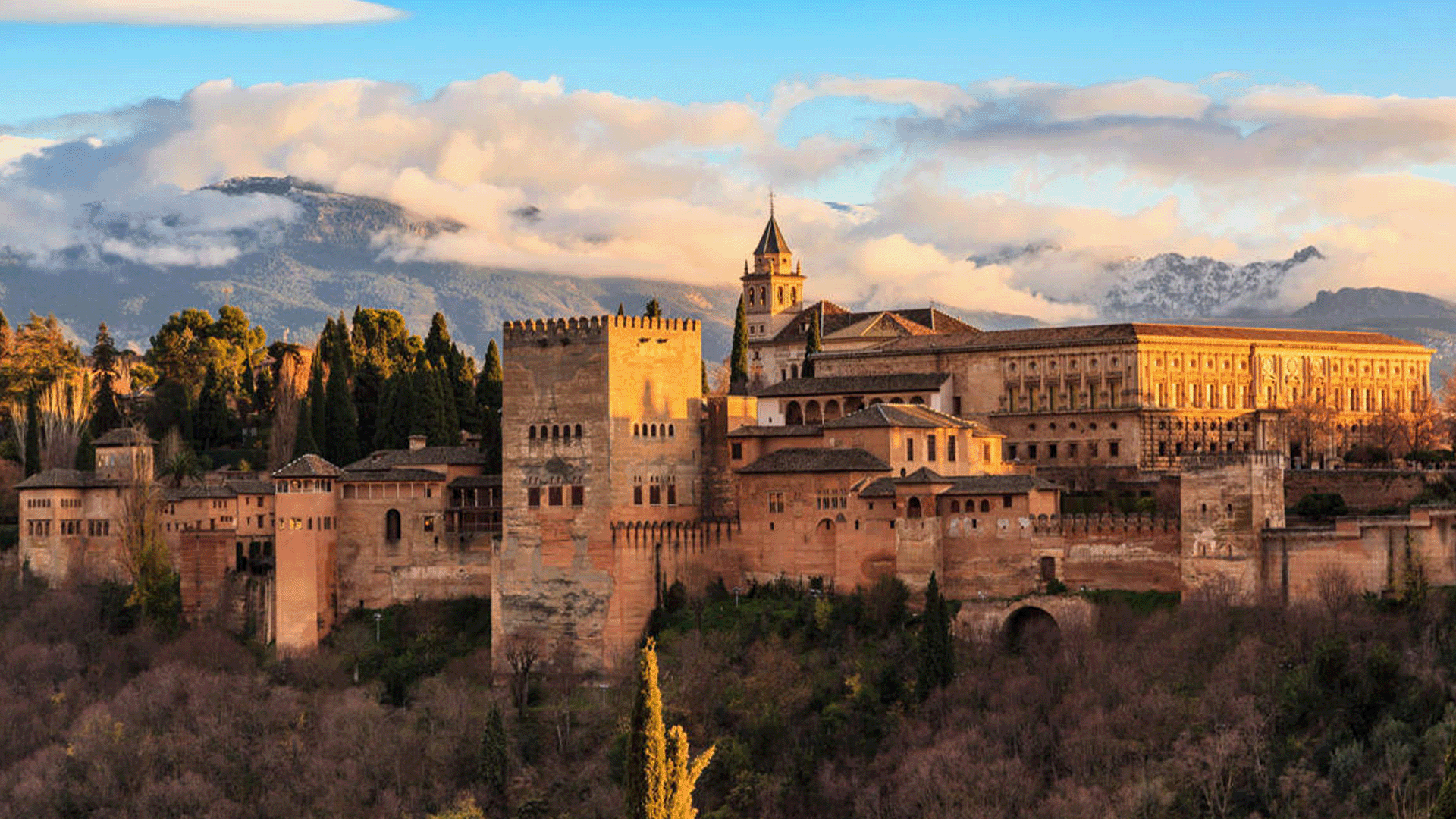
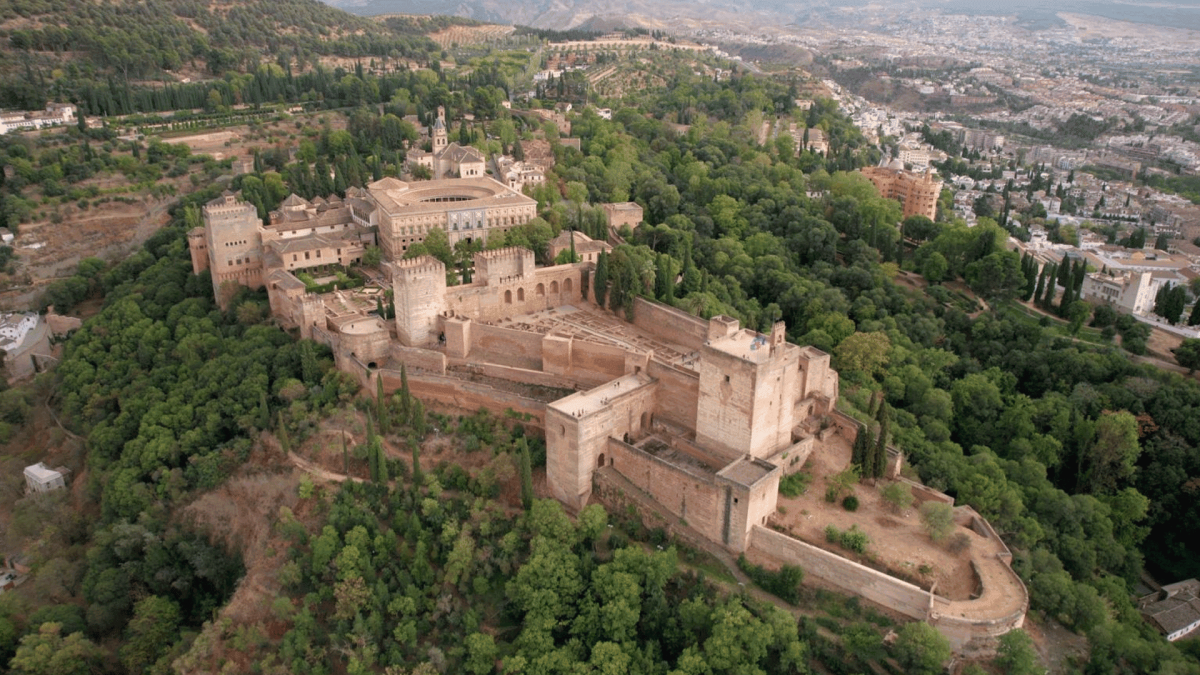
The big must-see, and for good reason: the Alhambra is one of the best preserved palace in the world, with the Sierra Nevada as its backdrop. The Nasrid Palaces, the Generalife and the Alcazaba form a complex that still amazes you no matter how many times you’ve seen it. Just make sure to book tickets in advance, since capacity is limited and they sell out fast, especially during peak season.
2. Nasrid Palaces and the Court of the Lions
Within the Alhambra itself, this is the jewel of the jewel: courtyards with fountains, arches carved with almost impossible precision, and rooms like the Hall of the Two Sisters or the Court of the Myrtles that look straight out of a storybook. Access to the Nasrid Palaces has a set time slot, so double check your window when booking your ticket.
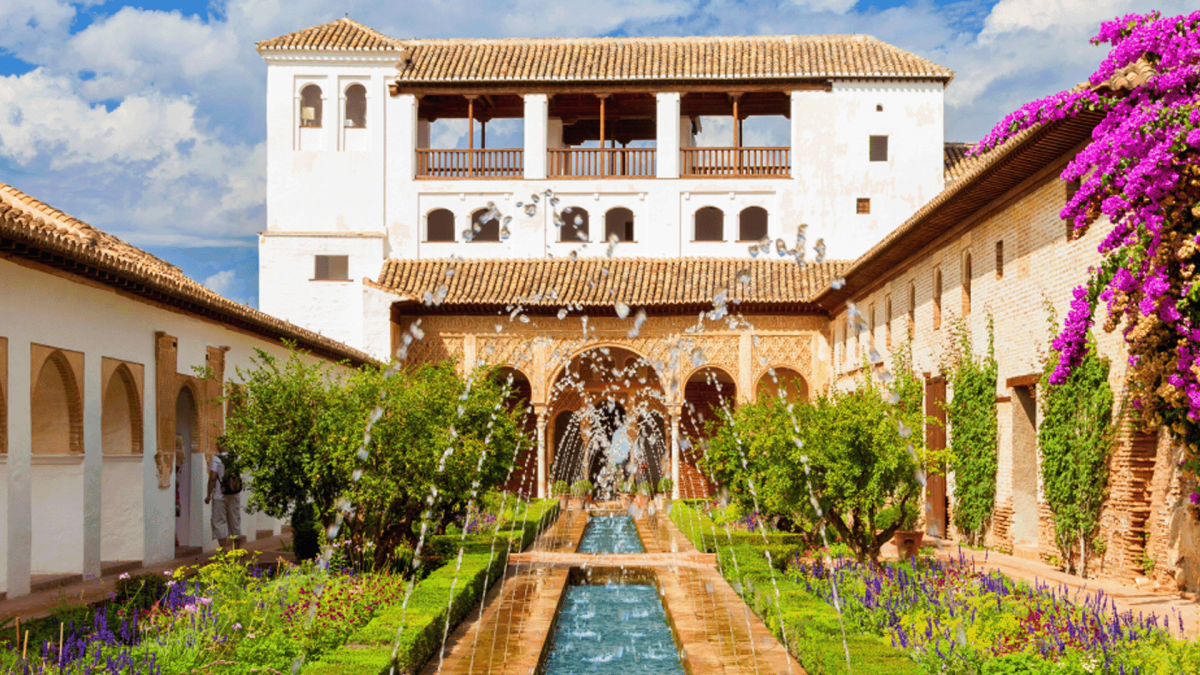
3. Generalife
The Alhambra’s gardens, originally designed as a rural retreat for the Nasrid kings. The Patio de la Acequia, with its fountains and flowers in every colour imaginable, is one of those places where you’ll want to just sit and listen to the water for a while.
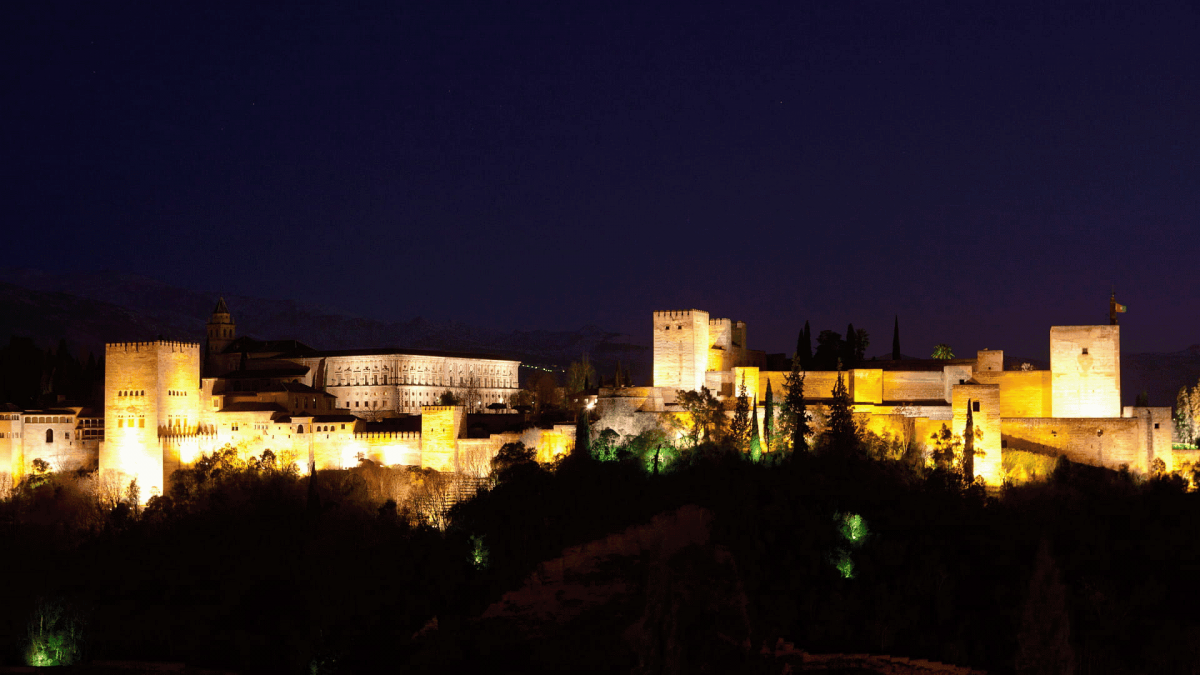
4. The Alhambra at night
If you can, do the visit again at night. Capacity is more limited, making the experience much calmer and more special, strolling through the illuminated palaces under moonlight. Night tickets also sell out fast, so book ahead.
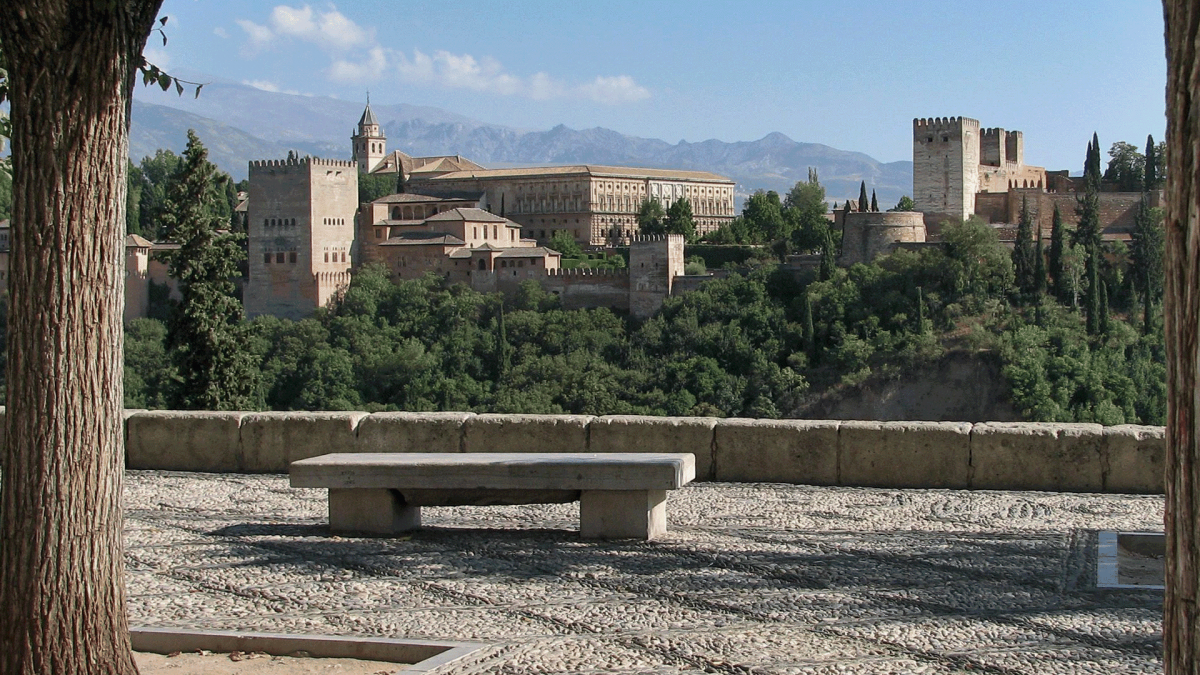
5. Mirador de San Nicolás
The city’s most famous viewpoint, with the best views of the Alhambra against the backdrop of the Sierra Nevada. Head up a bit before sunset, sit on the wall, and watch the city light up bit by bit. It’s the kind of plan you’ll end up repeating constantly throughout your year here.
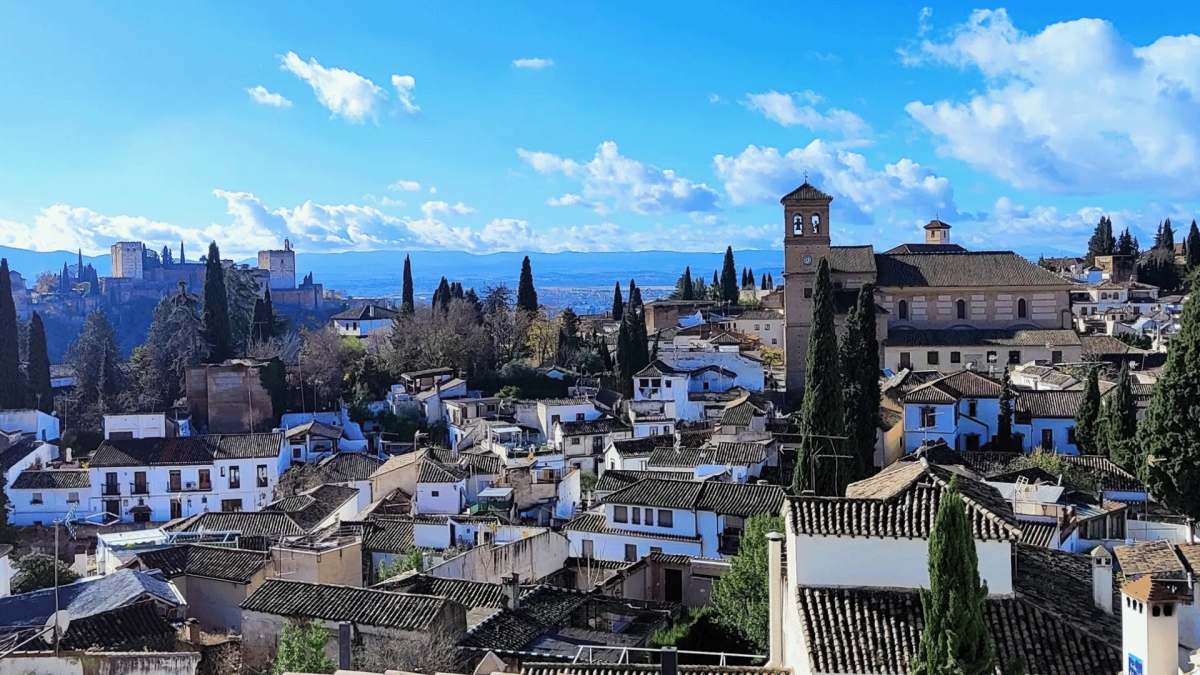
6. The Albaicín
More than a neighbourhood «to see,» the Albaicín is one to genuinely get lost in. A UNESCO World Heritage Site, its cobbled, Arab-laid-out streets hide tiny squares, cármenes (walled gardens) and corners you won’t find on any map. Wear comfortable shoes and just wander without a fixed route.
7. Paseo de los Tristes
A beautiful walk along the Darro River, between the Alhambra and the Albaicín, with a curious name (it comes from the funeral processions that used to pass through here on their way to the cemetery). It’s lovely both by day and by night, and connects easily to other spots on this list.
8. Carrera del Darro
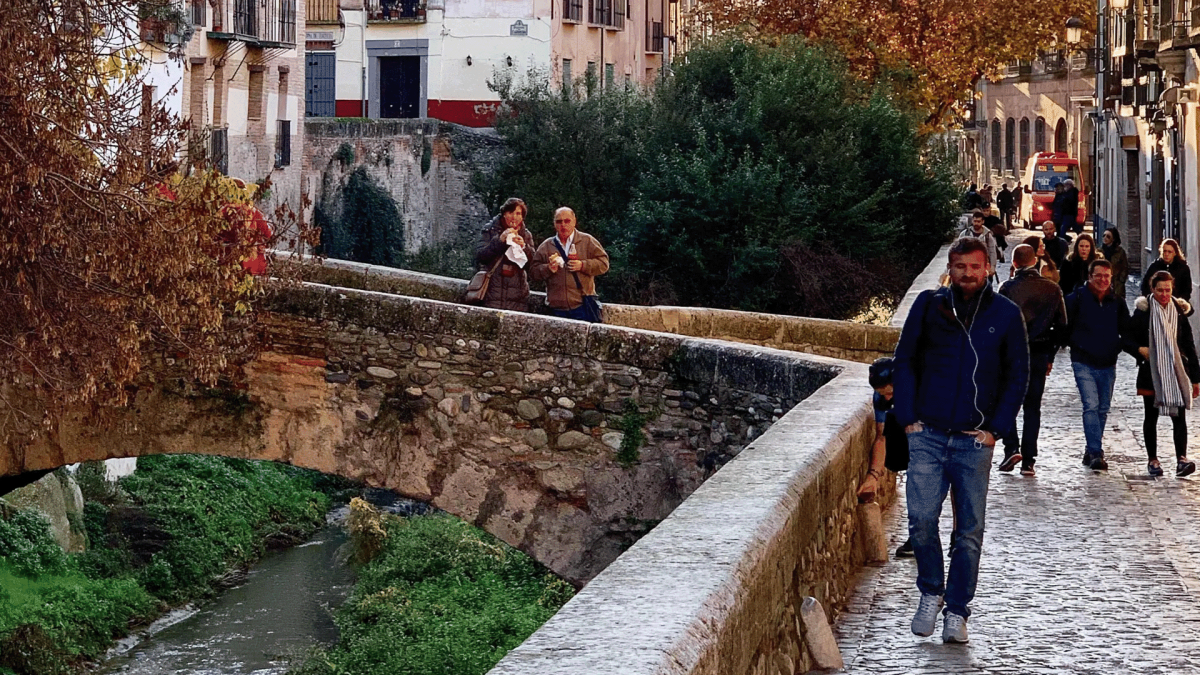
Probably Granada’s prettiest street, following the river with centuries old bridges, Arab houses and historic buildings at every turn. Perpendicular to it you’ll find alleys like Calle Santísimo or Calle Gloria, among the most photogenic in the city.
9. Casa del Chapiz
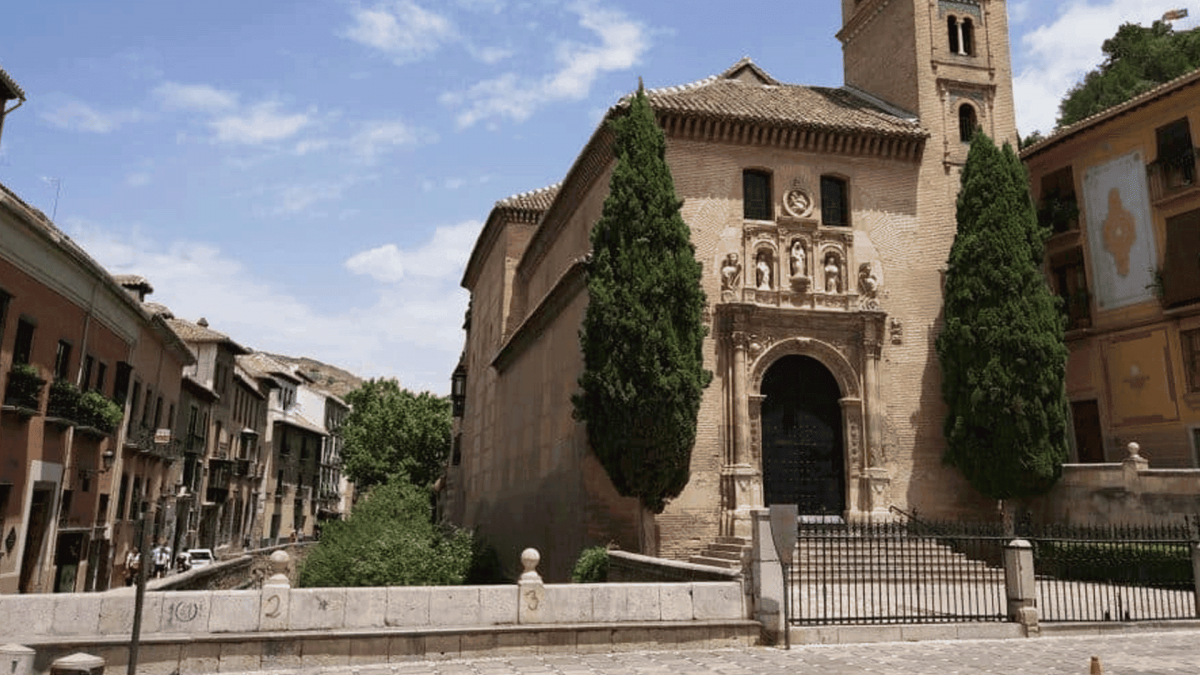
A spot many tourists walk right past, but well worth visiting: two 16th-century Morisco houses now home to the School of Arabic Studies, with myrtle gardens and views of the Alhambra that will win you over. Entry is at a token price.
10. Sacromonte neighbourhood
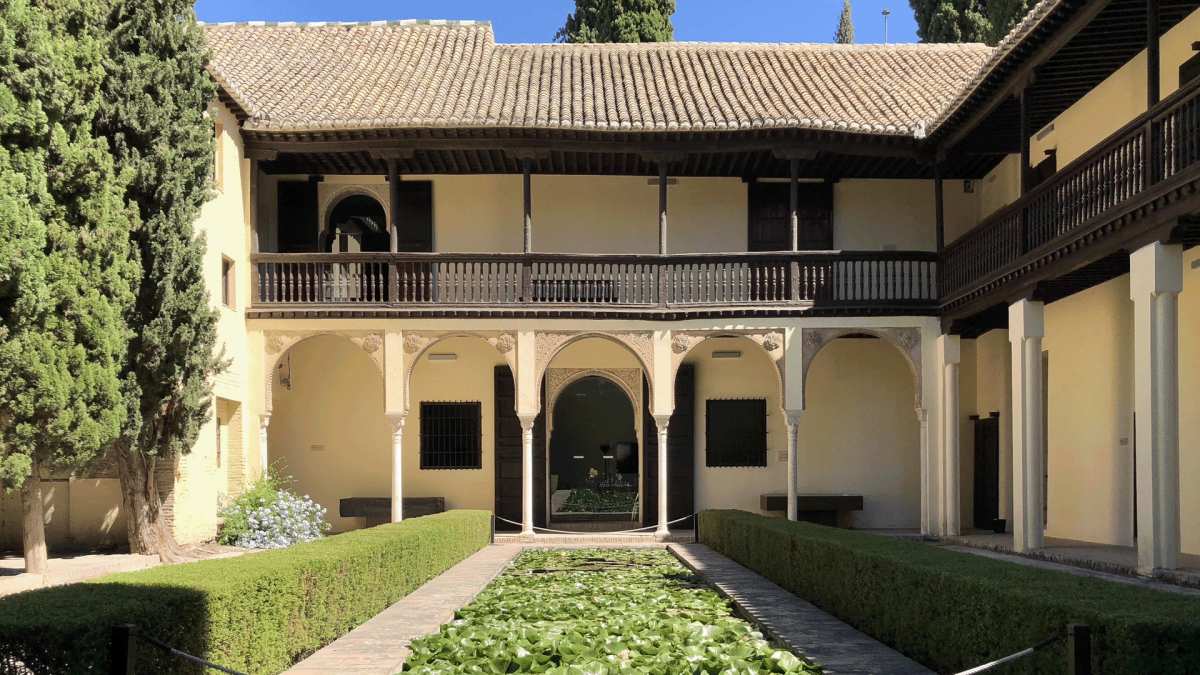
Granada’s Roma community neighbourhood, and one of the birthplaces of flamenco. Its cave houses dug into the hillside have a unique charm, and it’s the perfect place to catch a zambra (a Roma flamenco celebration) in caves like Los Tarantos or Los Amayas.
11. Mirador de San Miguel Alto
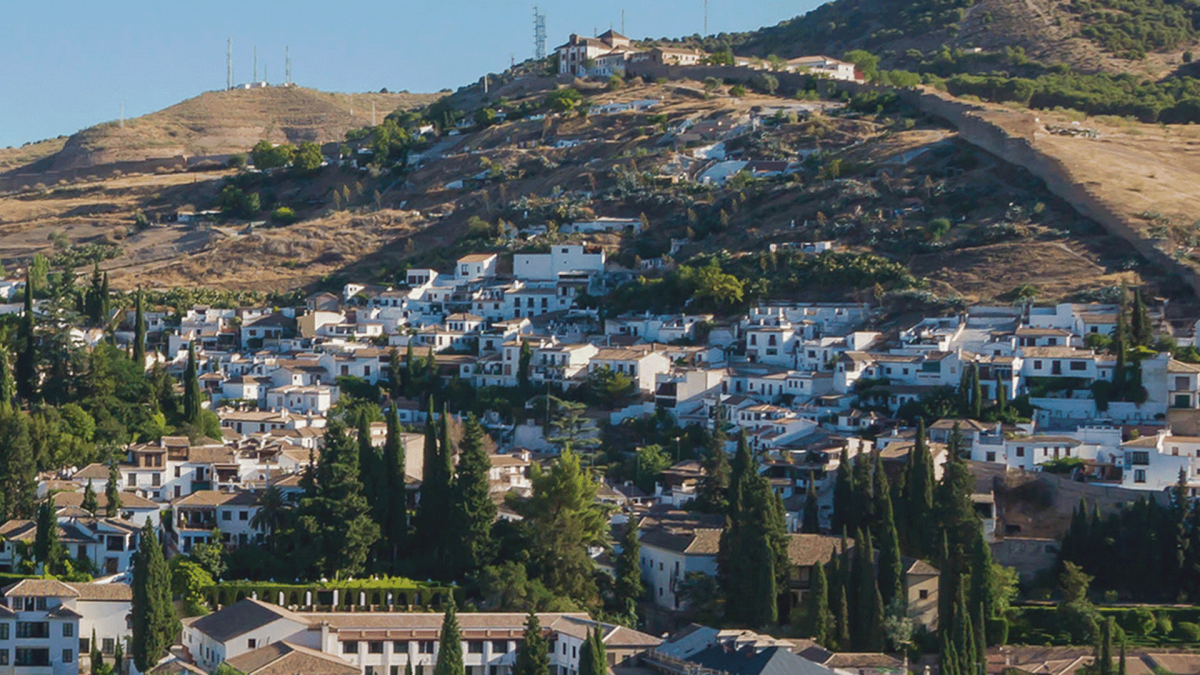
A favourite viewpoint among longtime visitors, with the most complete panorama of Granada: Albaicín, the old walls, the Alhambra and the Sierra Nevada all in a single view. It means climbing a fair slope (or taking bus N9), but the view more than makes up for it.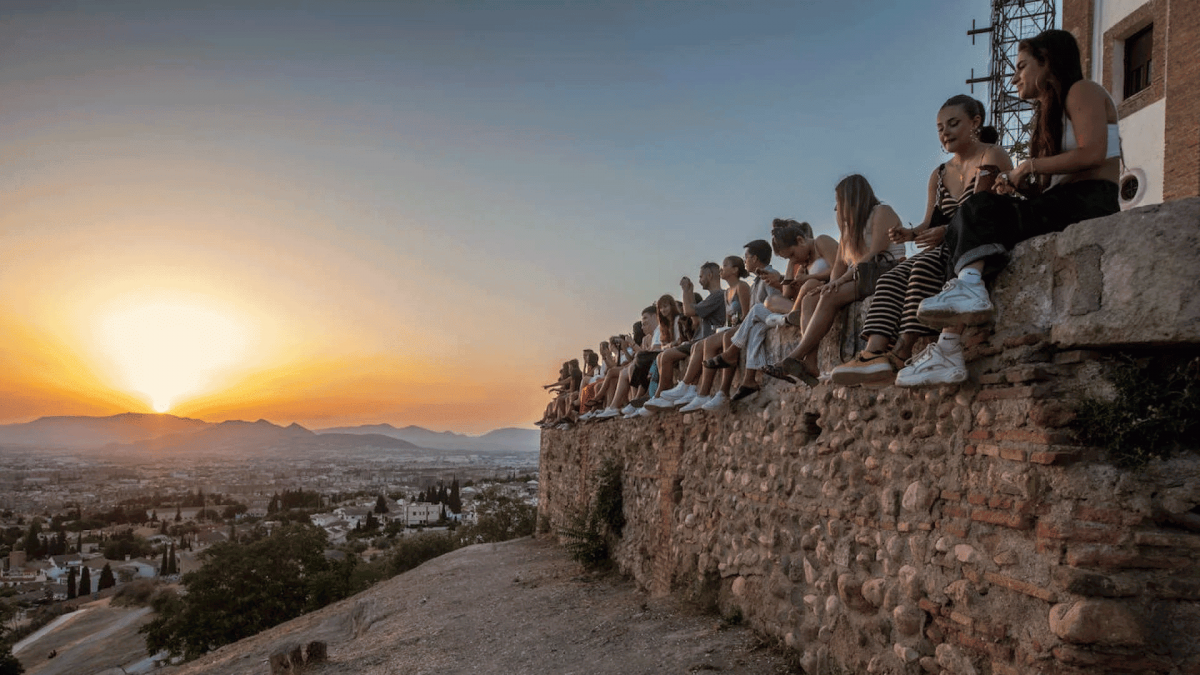
12. Granada Cathedral
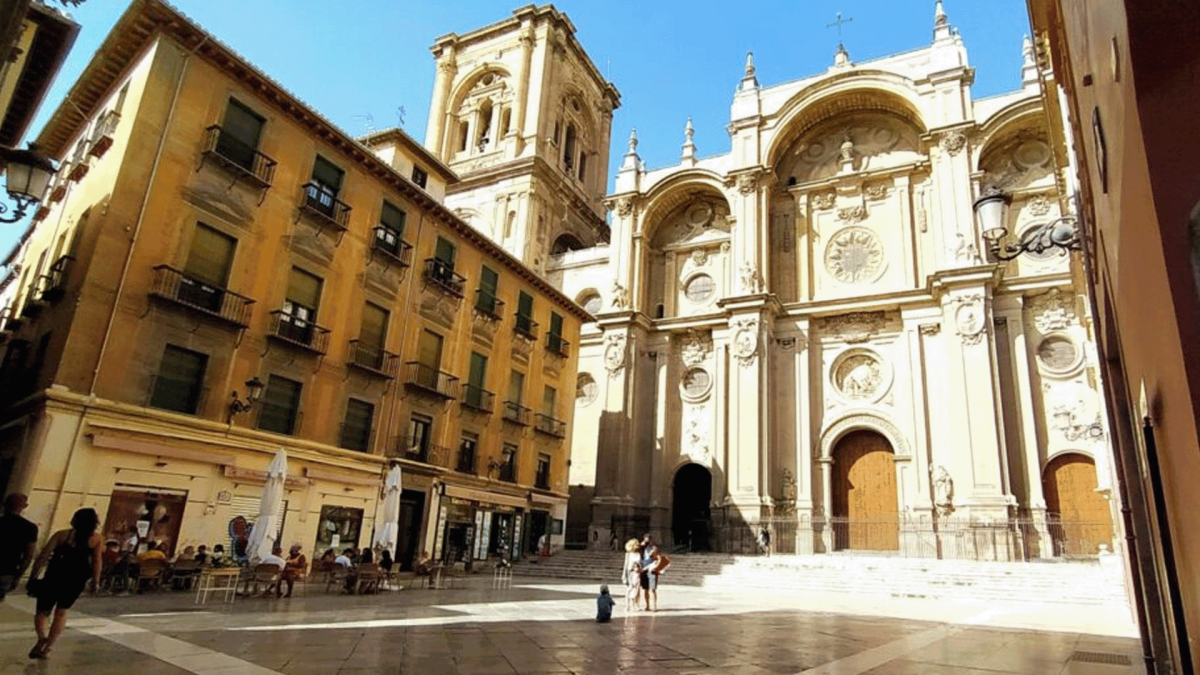
A masterpiece of Spanish Renaissance architecture, built on top of a former mosque. The façade blends styles, though Baroque dominates, and the interior impresses with its scale and columns. On Sunday afternoons entry is free, a useful tip for a budget-conscious student.
13. Royal Chapel
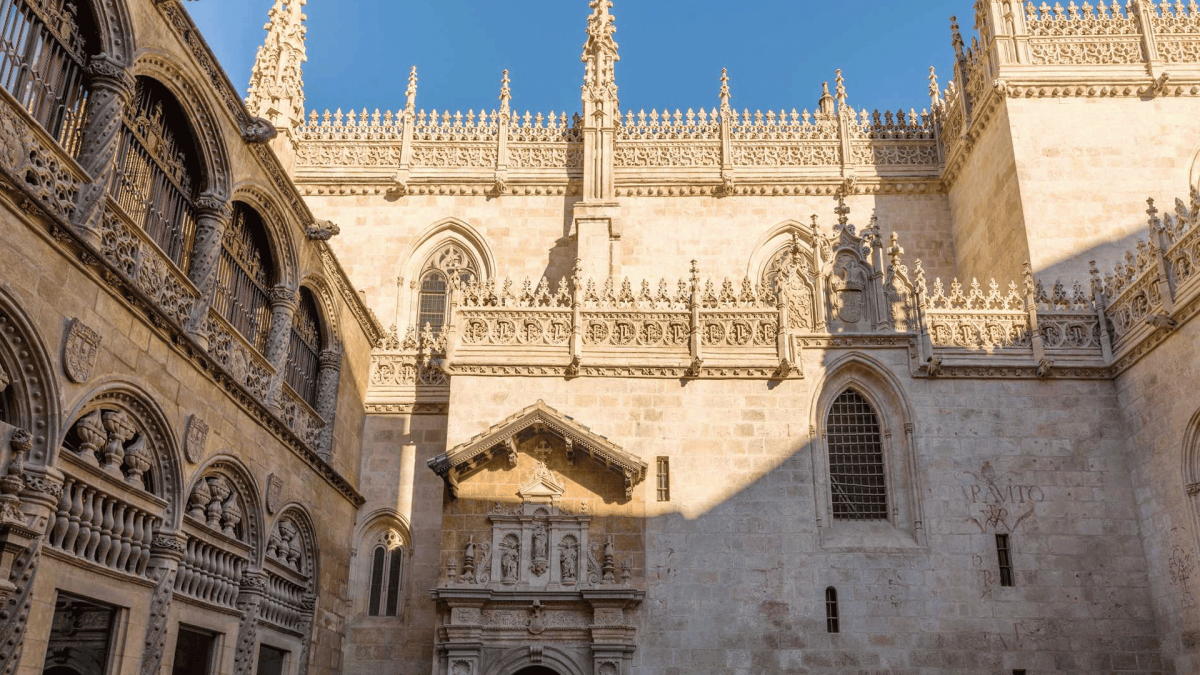
Right next to the Cathedral, this is the final resting place of the Catholic Monarchs, Joanna the Mad and Philip the Handsome. With 500 years of history, it’s a must if you’re into Spanish history, and the museum sacristy holds an impressive collection of goldwork and religious painting.
14. Palacio de la Madraza
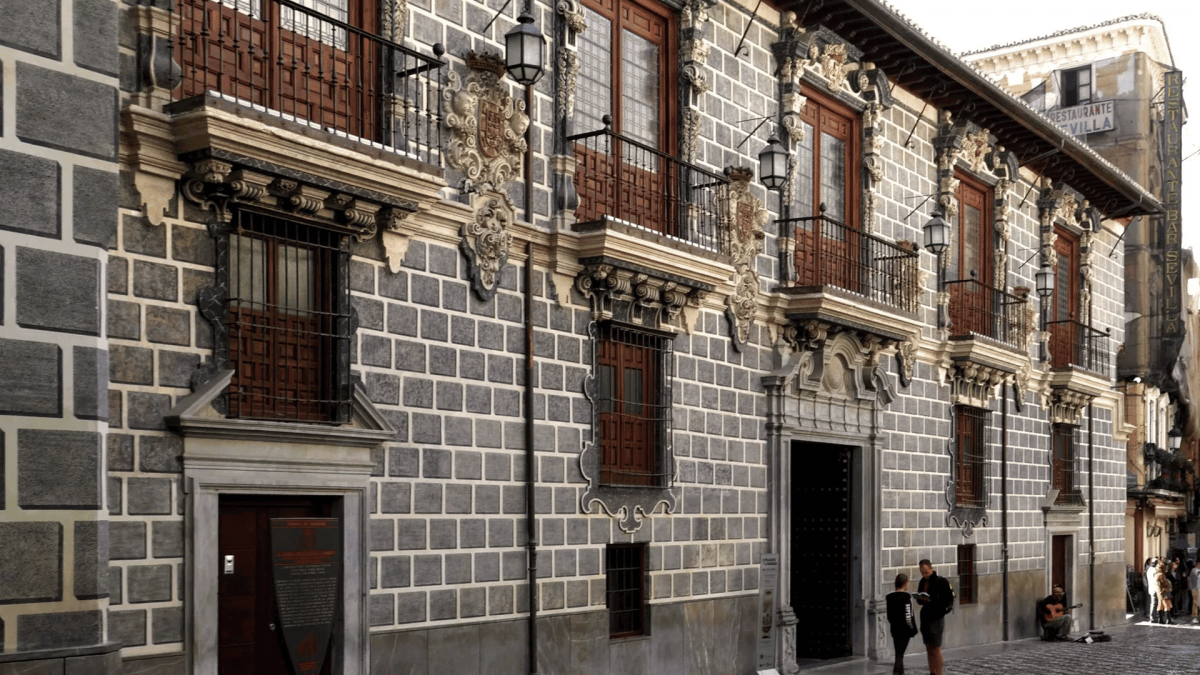
The first public university in Al-Andalus, founded in 1349, and the only one still (partially) standing in Spain. It now belongs to the Universidad de Granada, so as an Erasmus student, walking into this building carries a little extra meaning.
15. Corral del Carbón
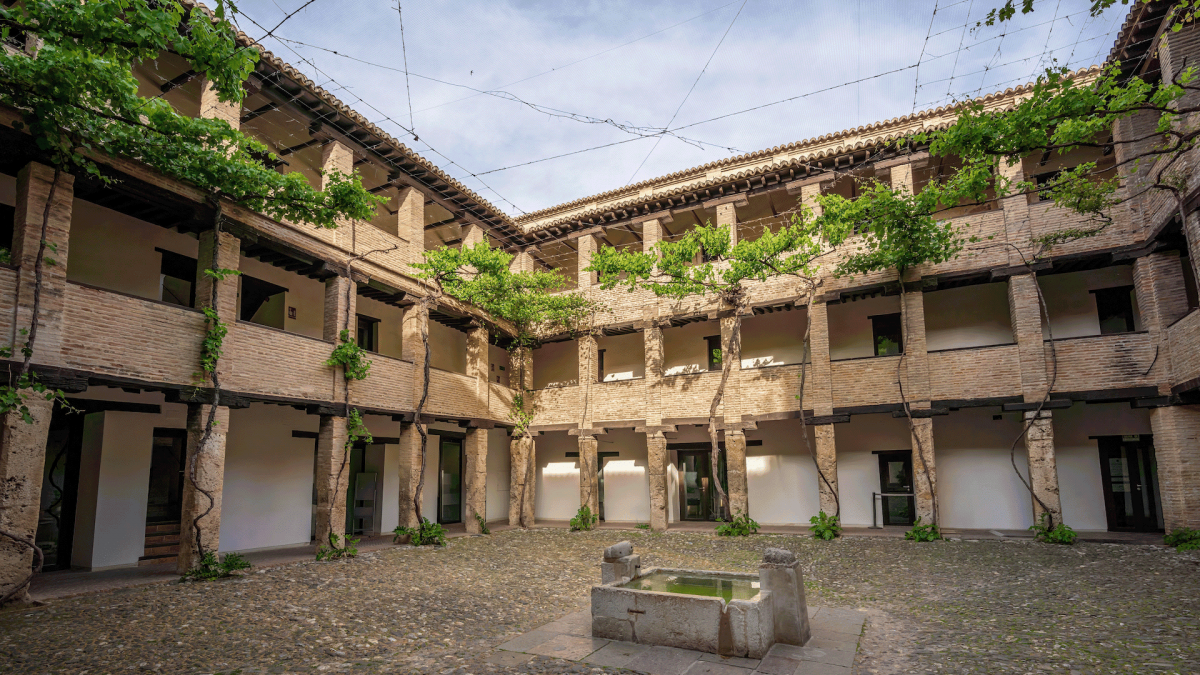
The only fully preserved Nasrid alhóndiga (merchant inn) in all of Spain: a former market and lodging house for traders dating back to the 14th century. Its horseshoe arched entrance and three storey courtyard are a pleasant surprise for anyone who doesn’t expect it, and entry is free.
16. Calle de las Teterías (Calderería Nueva)
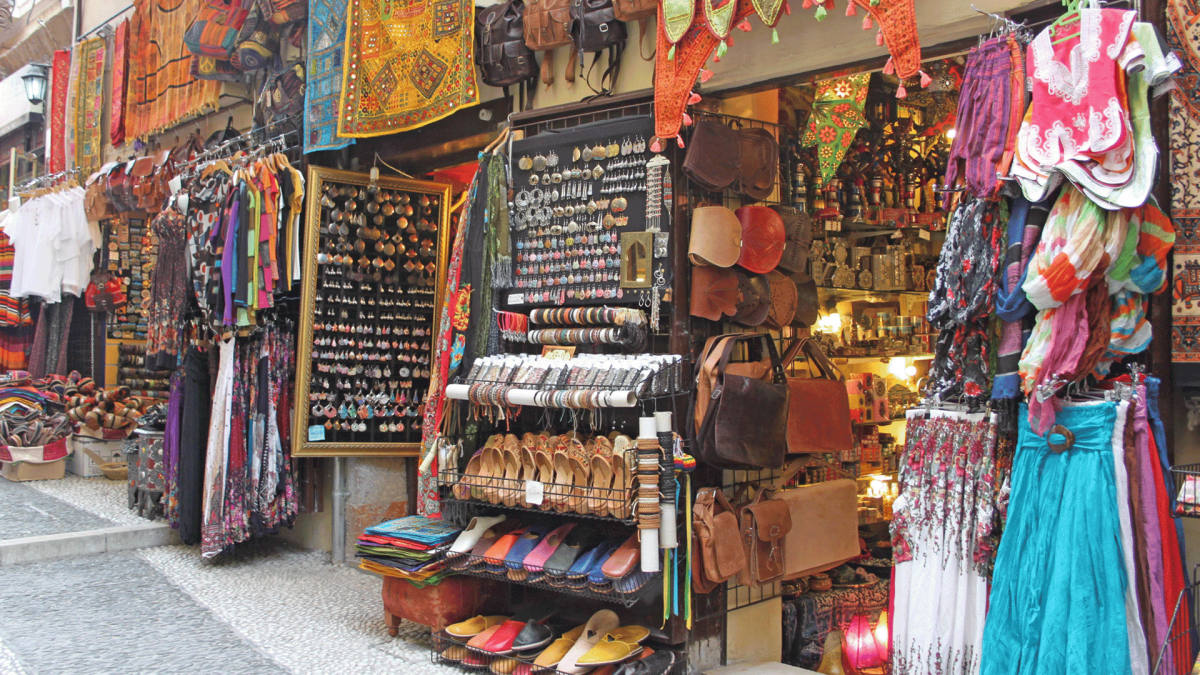
Known as Granada’s «little Marrakech,» this street is packed with tea houses, craft shops and the smell of spices in the air. A classic student plan: dinner with falafel or tajine followed by Moroccan tea at one of the tea houses with views of the Alhambra.
17. Realejo
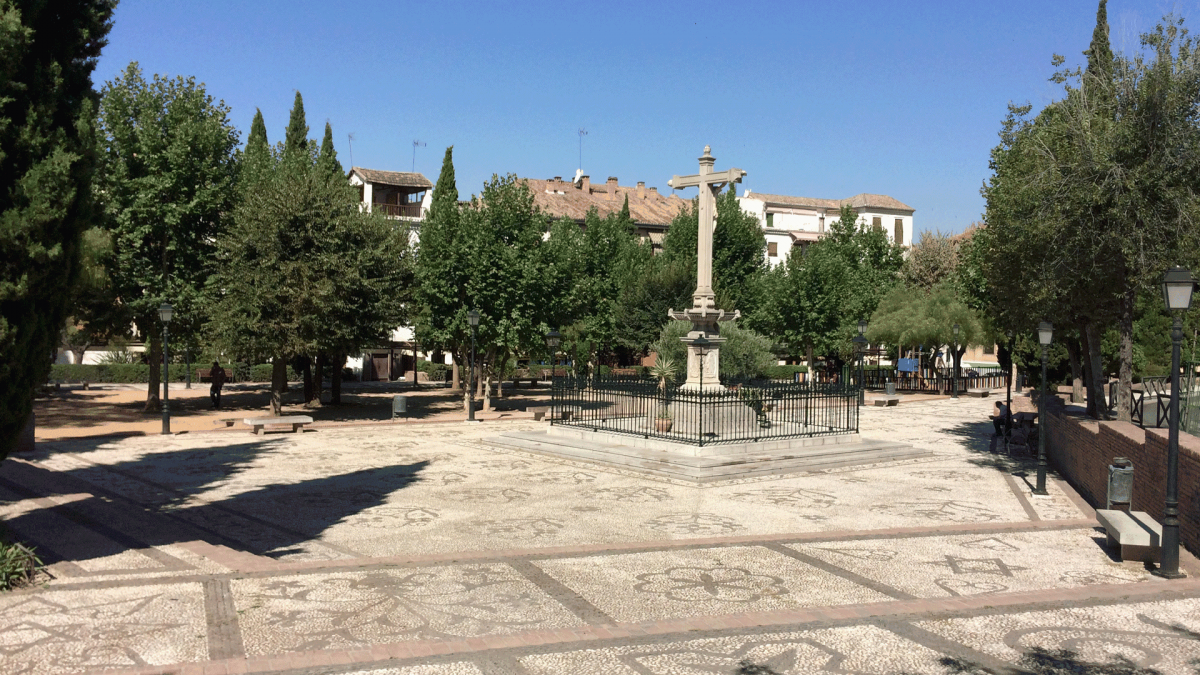
The old Jewish quarter, at the foot of the Alhambra, with a bohemian, student heavy vibe that makes it one of the most popular neighbourhoods to live in (as covered in the housing guide). Plaza del Campo del Príncipe, with its Cristo de los Favores statue, is the social heart of the area.
18. Hammam Al Ándalus
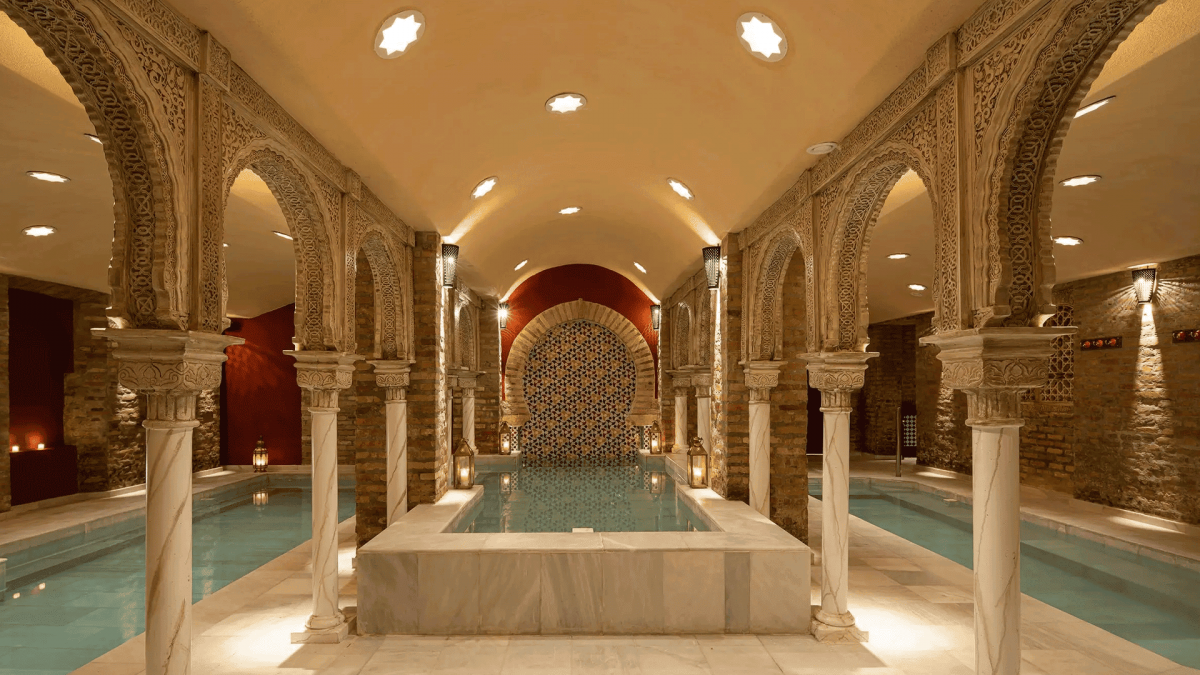
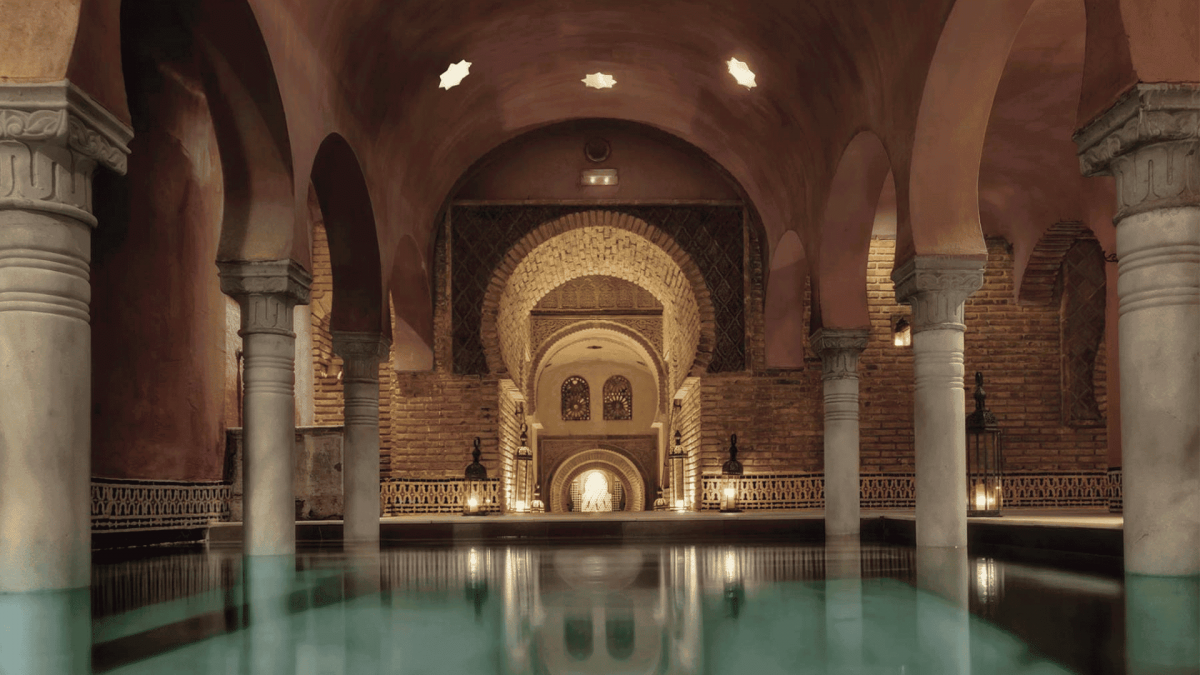
After a rough week of exams or just too much sightseeing, an Arab bath with a massage is the perfect way to unwind. They faithfully recreate the Andalusi bathing experience, with pools at different temperatures. Book well in advance, as demand is high.
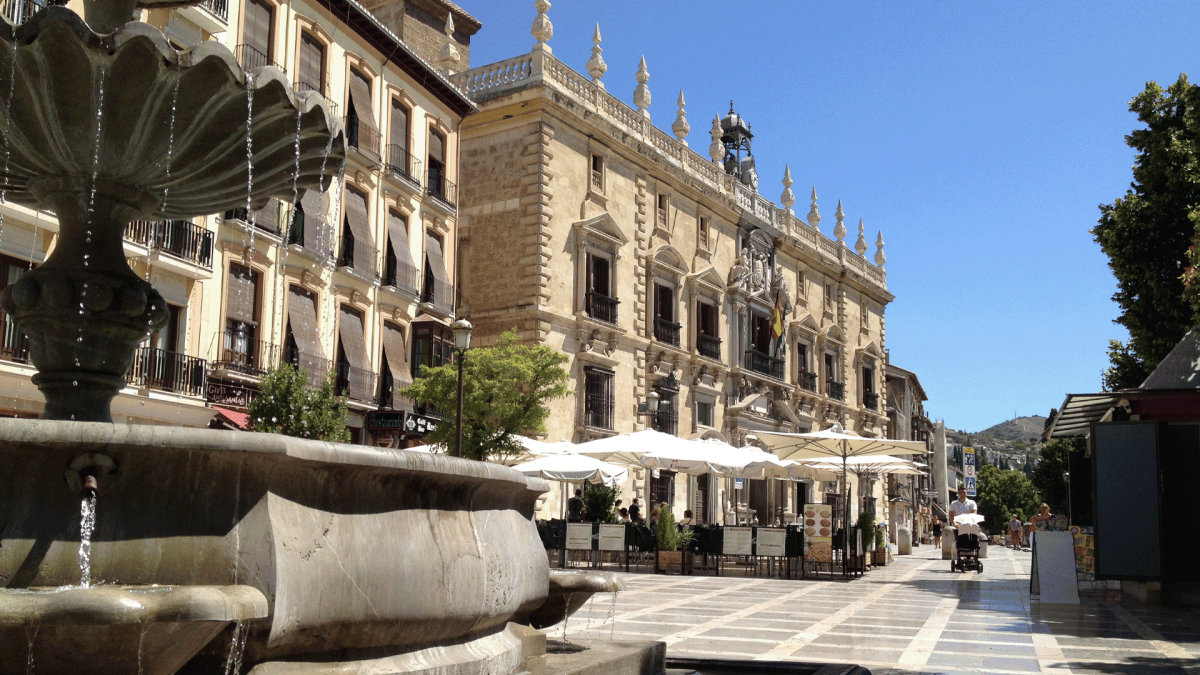
19. Plaza Nueva and Calle Elvira
The go-to meeting point right in the centre, with terraces perfect for a stop before heading up to the Albaicín via Calle Elvira, one of the liveliest streets in the city, lined with workshops, shops and tea houses.
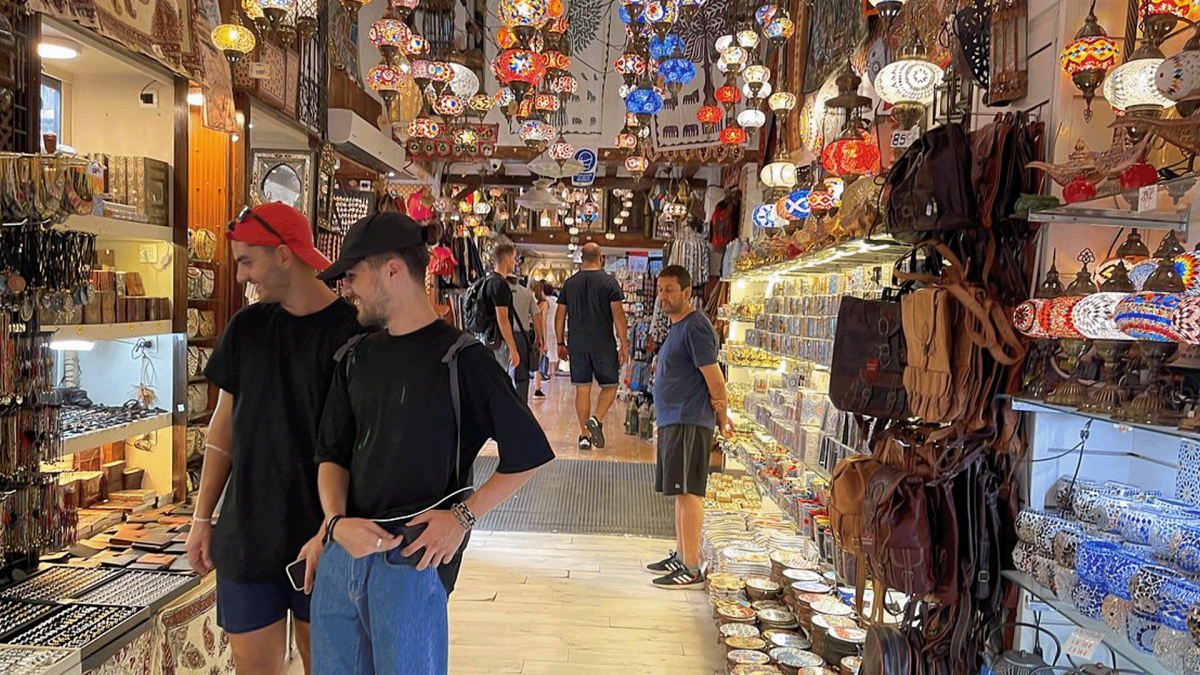
20. Zoco Nazarí and Alcaicería
A maze of narrow streets that in Nasrid times was the silk market, and today still functions as a craft-shopping area: Fajalauza ceramics, taracea (inlaid woodwork), and all kinds of souvenirs with real local character, well away from the more generic shops in the centre.
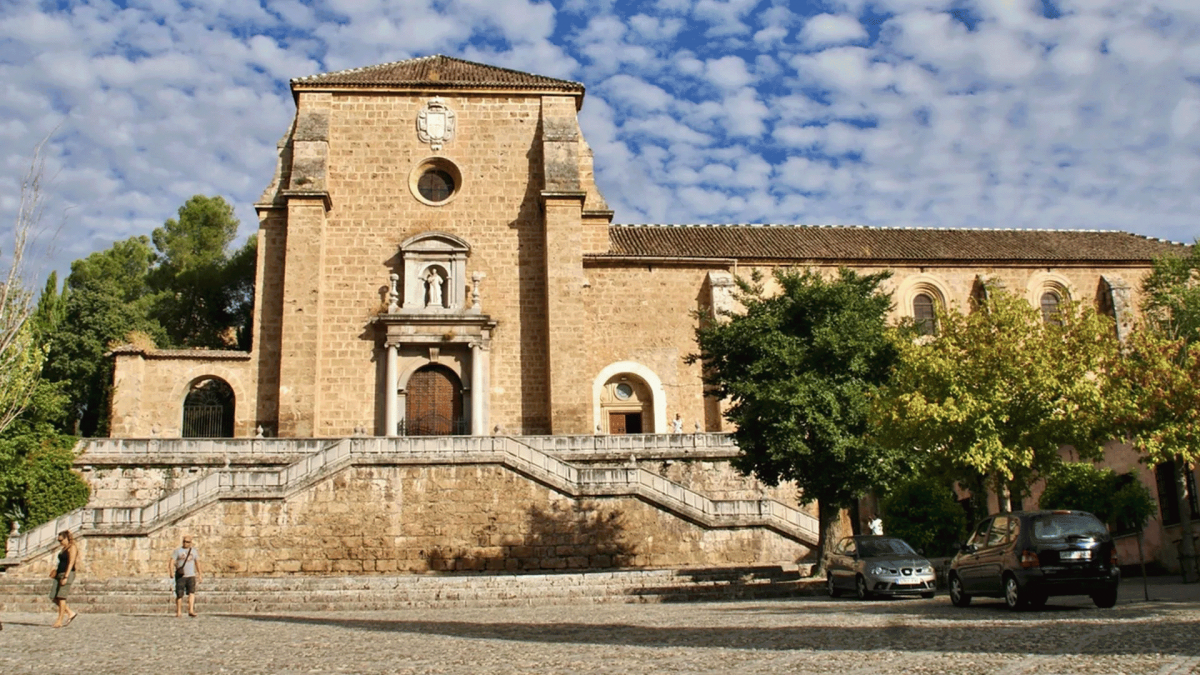
21. Cartuja Monastery
A gem of Spanish Baroque, about 2 km from the centre, with lavish decoration that’s especially striking in the Sacristy and the Church of the Assumption. It’s easy to reach by urban bus, and well worth a free weekday afternoon.
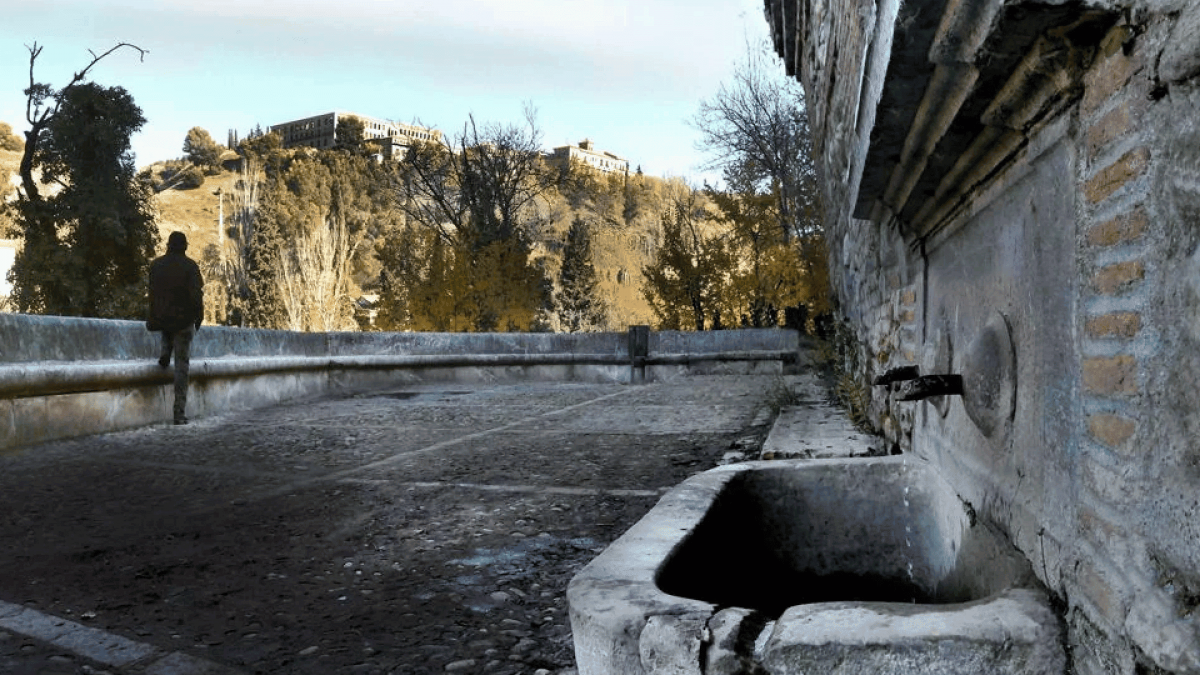
22. Sendero del Avellano
The least touristy plan on this list, and precisely for that reason a favourite among Granada residents. A short walk (about 700 metres) at the foot of the Alhambra, with views over the Albaicín and the Torre del Homenaje, almost devoid of crowds. Ideal for an afternoon of quiet without leaving the city.
23. Torre de la Vela (Alcazaba)
Within the Alhambra complex itself (included in the general ticket), the Alcazaba is the oldest part of the fortress, and its Torre de la Vela offers views over the Albaicín and the centre that many visitors miss by focusing only on the Nasrid Palaces. Don’t make that mistake.
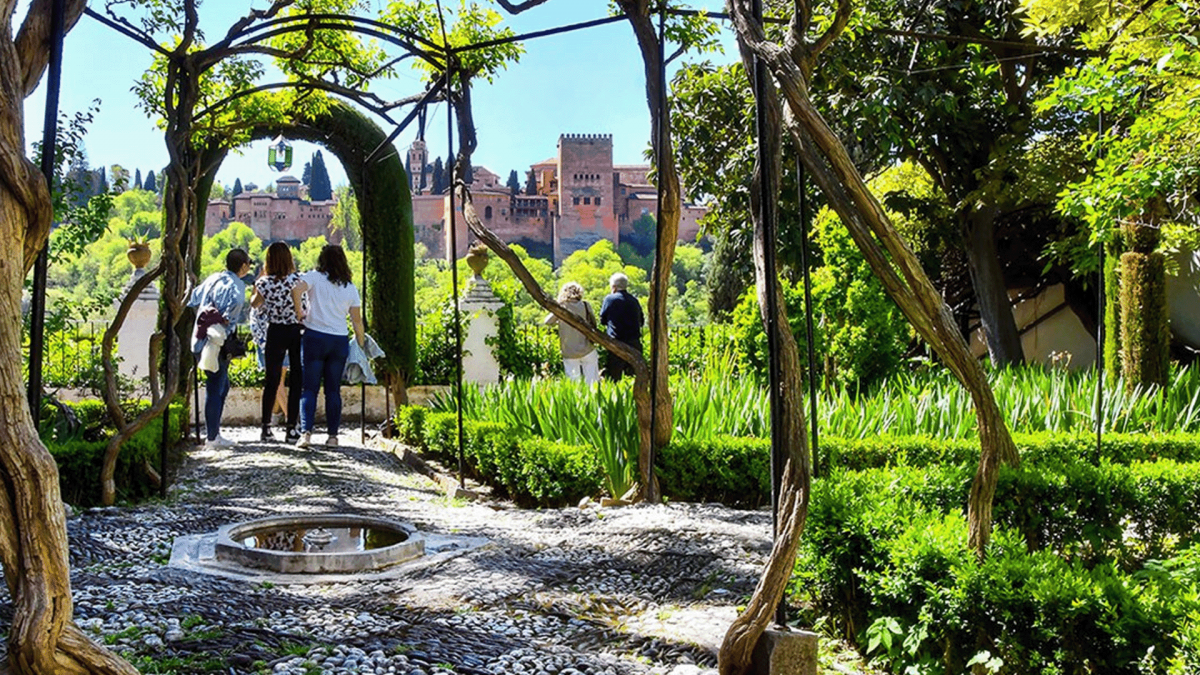
24. Carmen de la Victoria
«Cármenes» are traditional Albaicín houses with walled gardens, most of them private, but the Carmen de la Victoria (now a student residence) has spectacular gardens with views of the Alhambra, accessible by booking ahead. A corner very few tourists know about, so make the most of your student status to discover it.
25. Huerta de San Vicente (Federico García Lorca House-Museum)
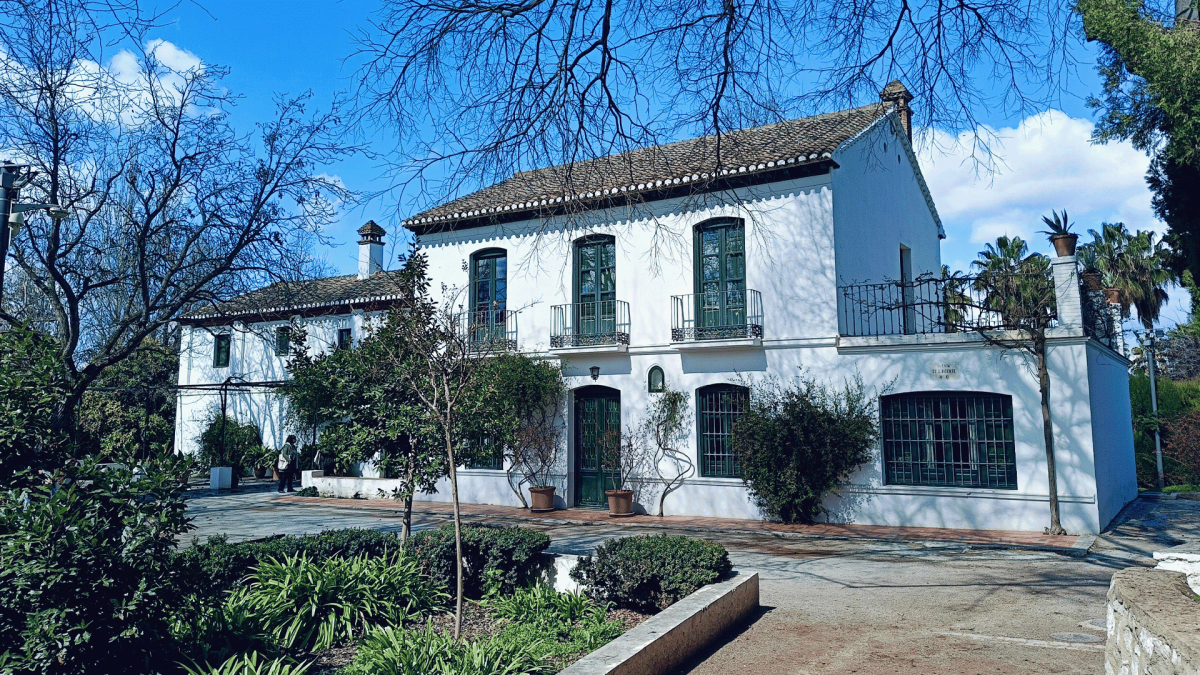
The house where the Granada-born poet spent the summers of his childhood and youth, now part of the Parque Federico García Lorca. It holds personal belongings, manuscripts and original furniture, and makes for a great cultural plan if you’re into Spanish literature or just fancy something different from the Andalusi monuments.